
Get Started!
Looking for In-Home Care? See All Services

Making decisions about care for an aging parent or loved one can be one of life’s most challenging journeys. It’s a path often paved with uncertainty, emotional complexity, and a desire to do what’s best. At ComForCare, we understand these concerns and are here to help you navigate the process. This guide is designed to shed light on when to consider in-home care services, offering clarity and support as you weigh your options.
Sometimes, the signs are subtle. Perhaps laundry piles up, meals become less nutritious, or social invitations are consistently declined. These early indicators, while not immediately alarming, suggest that a loved one might benefit from additional support to maintain their quality of life and independence. It’s about noticing patterns that deviate from their usual routine.


While family members often provide initial support, there comes a point where professional, trained caregivers can offer the consistent, specialized assistance needed. This can preserve family relationships and ensure your loved one receives the best possible care without overburdening family members. Professional home care provides a structured approach to support, ensuring all needs are met with dignity and expertise.
Recognizing the specific signs that your loved one may benefit from in-home care is crucial. These indicators often fall into several key categories, pointing towards a need for enhanced support to ensure their safety, health, and well-being at home.
Difficulty with basic daily tasks is one of the clearest indicators. These activities include:
If your loved one consistently struggles with these, professional assistance can significantly improve their quality of life and maintain their dignity.


Safety at home is paramount. Look for signs such as:
A caregiver can help with medication reminders, mobility support, and ensuring a safe living space, significantly reducing risks.
Memory loss and cognitive changes can be particularly distressing for both individuals and their families. Watch for:
For families navigating these specific challenges, ComForCare offers specialized support, providing expert care and peace of mind.
Emotional health is just as important as physical health. Signs of emotional distress include:
A compassionate caregiver can provide not just physical assistance, but also vital companionship and social engagement, enriching your loved one’s daily life.
When you partner with ComForCare, you’re choosing a path that prioritizes dignity, comfort, and personalized attention. Our services extend beyond mere assistance, focusing on enhancing overall well-being.

We believe that every individual is unique. Our approach involves creating tailored care plans that respect personal preferences and routines, empowering clients to maintain as much independence as possible in their familiar surroundings.
There’s no place like home. In-home care allows seniors to remain in the comfort of their own environment, surrounded by cherished memories and routines, which can significantly reduce stress and promote a sense of security.


Knowing your loved one is in capable and compassionate hands brings immense relief. Our professional caregivers provide reliable support, allowing families to focus on quality time rather than caregiving duties.
Beyond general assistance, ComForCare offers specialized programs designed for specific needs. Our DementiaWise® program, for example, provides person-centered care for individuals living with dementia, using innovative techniques to promote engagement and well-being.
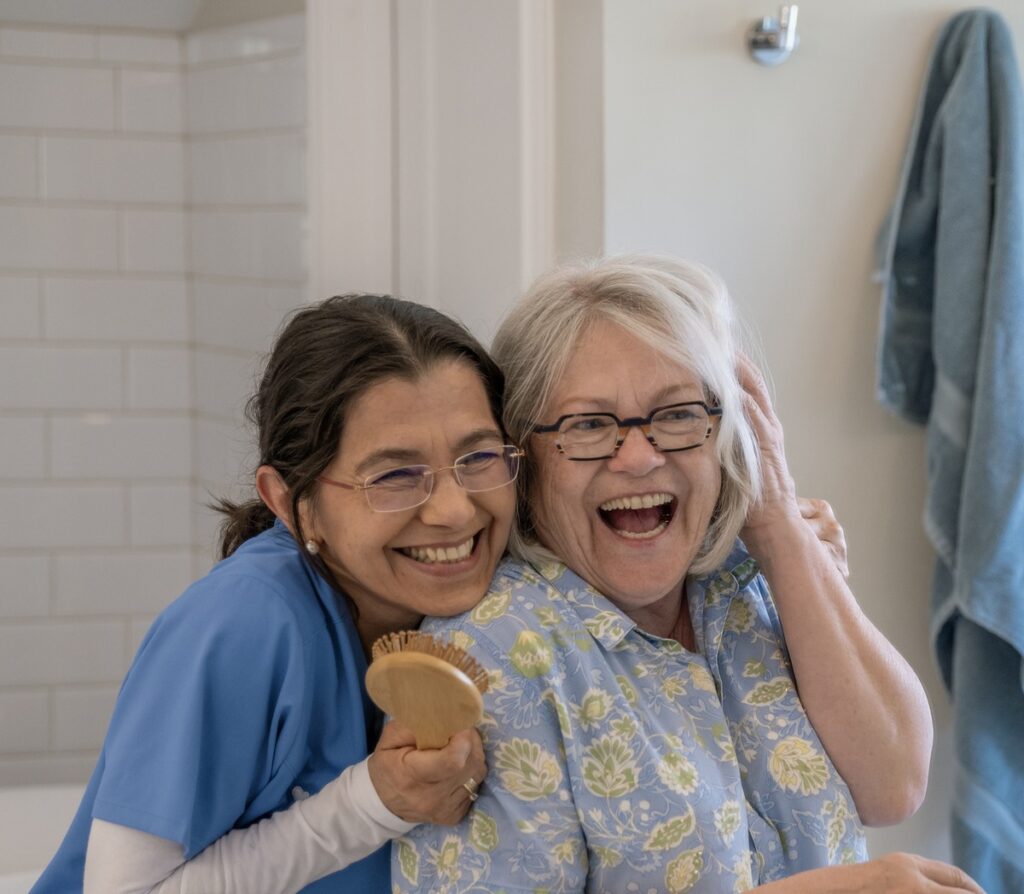
It’s natural to have questions and concerns when considering in-home care. We believe in providing transparent answers and guiding you through every step of the decision-making process.

Understanding the financial aspects of in-home care is a common concern. While costs vary based on needs and hours, we work with families to explore options, including how long-term care insurance can help cover expenses. We’re committed to finding solutions that fit your budget and your loved one’s needs.
Choosing the right caregiver is paramount. ComForCare carefully screens and trains all our caregivers, ensuring they are not only skilled but also compassionate, trustworthy, and dedicated to providing the highest quality of care. We strive to match caregivers with clients based on personality and specific needs.


We maintain rigorous standards for our services. Our commitment to quality care, ongoing training, and open communication ensures that you can trust ComForCare to provide the best possible support for your loved one.
If you’re seeing these signs in a loved one, or if you as a family caregiver are feeling overwhelmed, it’s time to reach out. ComForCare is here to provide the compassionate, professional in-home care your family deserves. We offer a free in-home consultation to discuss your unique situation, assess needs, and develop a personalized care plan that brings peace of mind.

Each office is independently owned and operated
and is an equal opportunity employer.
© 2026 ComForCare Franchise Systems, LLC.
Contact Us
(800) 886-4044