
Get Started!
Looking for In-Home Care? See All Services
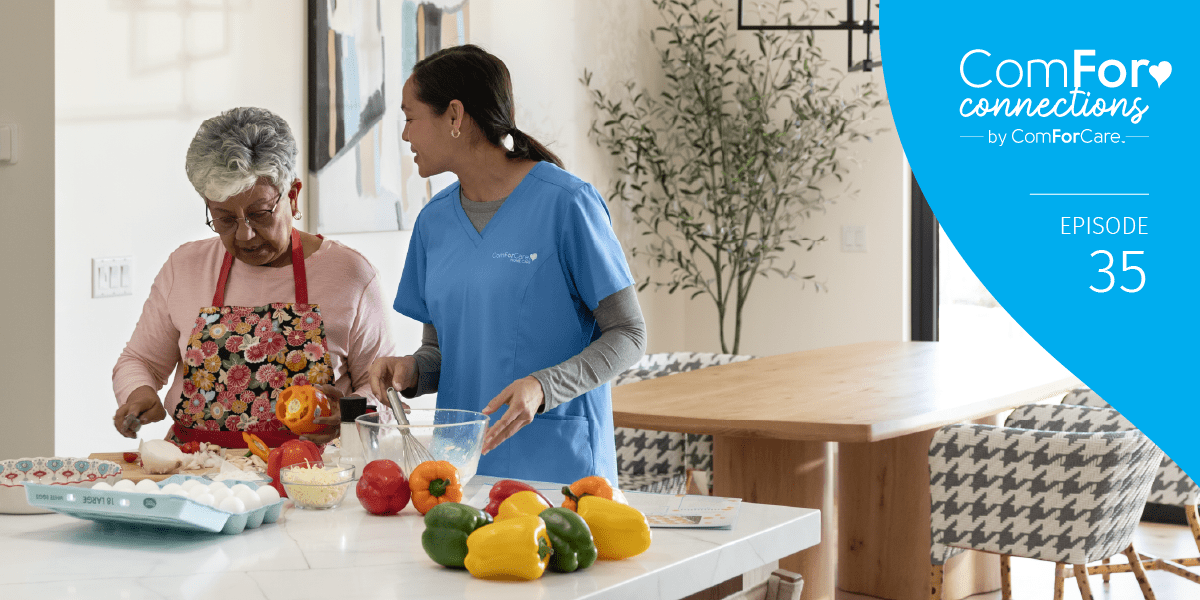
We’ve all been there: You buy a beautiful bunch of broccoli, toss it in the fridge drawer, and forget about it. By the time you pull it out, it’s less “farm fresh” and more “combat green.”
Fresh produce has its place. But for caregivers supporting aging adults, the real priority is practicality: meals that are nutritious, easy to prepare, and affordable.
Canned and frozen vegetables offer all three.
In a recent episode of ComForConnections, nutrition expert Dr. Joan Salge Blake shared why these pantry and freezer staples deserve a spot in every caregiver’s rotation. Her advice is science-backed, budget-friendly, and rooted in the realities of caregiving.
This post unpacks the key takeaways, and why letting go of the “fresh is best” mindset can make mealtime easier and more nutritious.
Fresh vegetables lose nutritional value the longer they sit. For many of us, that means days (or even weeks) in the fridge before they get used. Dr. Salge Blake calls it the “produce graveyard,” where good intentions go to wilt.
Canned and frozen vegetables, on the other hand, are typically processed within hours of harvesting. That locks in nutrients early and keeps them intact until you’re ready to cook. And because they’re already chopped and cooked, they’re much less likely to go to waste.
For caregivers balancing multiple tasks, that kind of reliability matters.
Caregivers are often told to “prioritize fresh” when it comes to fruits and vegetables. But when you look at how food is handled after it’s picked, that advice doesn’t always stand up.
Fresh produce can sit for days — sometimes weeks — between harvest, shipping, store shelves, and your fridge drawer. During that time, water-soluble vitamins like vitamin C and some B vitamins begin to break down. Meanwhile, canned and frozen vegetables are typically preserved at peak ripeness, often within hours of harvest. Flash-freezing stops that natural degradation process almost immediately. Canning, while it involves heat, still retains most of the vegetable’s nutritional value, especially when packed without excess sodium or added ingredients.
That’s good news for caregivers. It means you can meet the dietary needs of aging adults (including essential nutrients like fiber, potassium, and antioxidants) without relying exclusively on fresh produce or worrying about nutrient loss. For example:
As Dr. Salge Blake notes, the goal isn’t perfection, it’s practicality. And from a nutrition science standpoint, canned and frozen vegetables offer a reliable, effective way to nourish aging bodies without overcomplicating meal prep.
Canned vegetables cost up to 80% less than fresh. Frozen options can be about 50% cheaper. That makes a real difference, especially when shopping for several meals at once or working within a tight budget.
They’re also easy to store and keep well — ideal for caregivers who can’t make frequent trips or have limited fridge space. And when it’s time to cook, there’s no prep required. Just open, heat, and serve.
Pre-prepped staples make it easier to pull together balanced meals, even on busy days.
Having canned and frozen vegetables on hand is only half the equation. How you store and rotate them can make or break your meal prep routine.
Start with a simple “first in, first out” system. When you add new cans or freezer bags to your pantry or freezer, push the older ones forward. That way, the items closest to their expiration dates get used first. It takes just a minute to organize but can save you money and reduce waste over time.
For freezer meals and leftovers, labeling is key. Use painter’s tape or freezer labels and jot down the date you prepped the meal — nothing fancy, just enough to keep track. This makes it easier to rotate your stock and avoid mystery containers in the back of the freezer.
In the fridge, visibility matters. Caregiver-prepped meals, containers of cut fruit or washed greens, even grab-and-go snacks like cottage cheese or yogurt — all of it should live at eye level. The more visible and accessible the food is, the more likely your client is to reach for it. That’s especially important for aging adults who may have low appetite or memory challenges.
These are small adjustments, but they go a long way in making home nutrition more manageable for both you and the person you’re caring for.
Caregivers often carry the quiet weight of wanting to do everything just right, especially when it comes to food. But mealtime doesn’t have to be another source of guilt or pressure. What matters most isn’t whether the vegetables are fresh from the farmers market, it’s whether they’re actually eaten and enjoyed.
Sometimes the simplest option is the most effective. Canned and frozen vegetables offer a way to provide balanced, nourishing meals without adding to your daily load. They’re easy to prepare, easy to store, and — when used well — every bit as beneficial.
Supporting someone’s health doesn’t mean doing it perfectly. It means doing what’s sustainable, what’s realistic, and most of all, what works.
Want more practical nutrition tips for adult and home care? Listen to the full episode of ComForConnections featuring Dr. Joan Salge Blake — and learn how small shifts in the kitchen can make a big difference at mealtime!


Each office is independently owned and operated
and is an equal opportunity employer.
© 2026 ComForCare Franchise Systems, LLC.
Contact Us
(800) 886-4044