
Get Started!
Looking for In-Home Care? See All Services
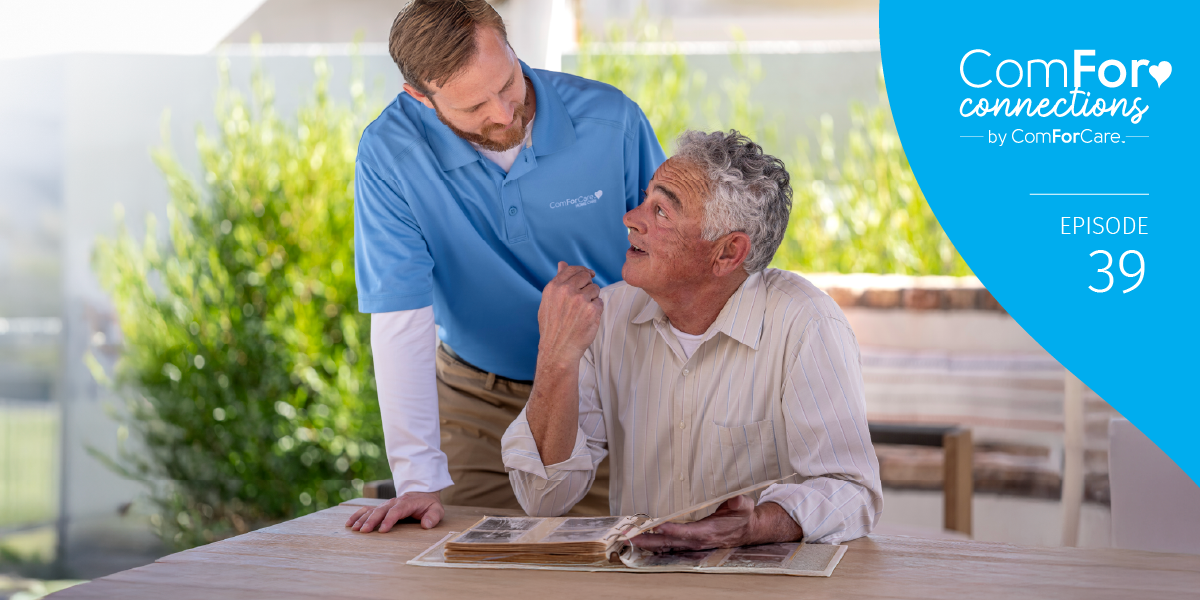
When most people think about Parkinson’s disease, they picture tremors, stiffness, or slowed movement. Bone health rarely makes the list of first concerns. Yet, as Dr. Michael Okun explains in a recent episode of ComForConnections, Parkinson’s can quietly weaken bones and set the stage for life-changing fractures.
The link is clear: people with Parkinson’s face a higher risk of bone loss and falls – and that combination can seriously affect independence, recovery, and overall quality of life. The good news? With early screening, simple prevention strategies, and the right support, it’s possible to protect bone health and reduce fracture risk at every stage of the disease.
Parkinson’s impacts bone health in ways that aren’t always obvious. The disease can limit mobility, which means fewer weight-bearing activities that help keep bones strong. Over time, that reduced activity leads to muscle loss, and without strong muscles to support them, bones become more fragile.
Certain Parkinson’s medications and nutritional deficiencies – especially in vitamin D and calcium – can also contribute to bone density loss. Add in changes in balance and gait, and the risk of falls increases. For women, the challenge can be even greater, as they already face a higher baseline risk for osteoporosis.
In short: it’s not just the tremors or movement changes that make fractures more likely. It’s a combination of physical, nutritional, and lifestyle factors that build over time.
A fracture is never “just a fracture” for someone living with Parkinson’s. Hip, spine, and wrist fractures can mean long hospital stays, difficult recoveries, and in some cases, permanent loss of mobility. These injuries can disrupt carefully built routines, strain caregiving relationships, and lead to a rapid decline in independence.
Imagine a person who’s been managing their symptoms well with daily walks, home exercises, and help from a trained caregiver. A single fall could undo years of progress – replacing that routine with rehabilitation appointments, mobility aids, and greater reliance on others for basic needs.
That’s why proactive bone health is a quality-of-life issue. Preventing bone loss and avoiding falls means protecting the ability to stay active, engaged, and at home for as long as possible.
The first step in protecting bone health is knowing where you stand. A bone density scan (often called a DEXA scan) is a quick, painless test that measures bone strength and identifies early signs of osteoporosis.
For people with Parkinson’s, Dr. Okun recommends discussing bone density testing with your healthcare provider sooner rather than later. Early screening allows you and your care team to address any bone loss before it leads to fractures. Even if you haven’t noticed any changes in balance or strength, a baseline scan can be invaluable for tracking changes over time.
Protecting bone health doesn’t come about by making one big change – it’s the small, consistent habits that add up over time. In our ComForConnections conversation, Dr. Okun shared several practical ways to strengthen bones and reduce fracture risk for people with Parkinson’s. These strategies combine medical guidance, smart nutrition, and safe movement, all adapted to the realities of living with the disease.
Calcium and vitamin D are the cornerstone nutrients for strong bones, but they work best when they come from a balanced diet. Dairy products, leafy greens, fortified plant milks, and fatty fish can all contribute to daily calcium needs. Vitamin D, which is harder to get from food alone, can often be boosted through supplements (with your provider’s guidance) or safe sun exposure.
Weight-bearing activities (like walking, light strength training, or certain types of dance) help stimulate bone growth and maintain muscle mass. Balance exercises, such as tai chi or modified yoga, can reduce the risk of falls. The key is tailoring activity to the individual’s abilities, ideally with input from a physical therapist.
Simple adjustments can go a long way:
For many families, having a trained caregiver present provides an extra layer of safety; someone to assist with movement, spot potential hazards, and encourage regular exercise.
Dr. Michael Okun’s message is clear: bone health deserves a place at the table in every Parkinson’s care plan. It’s not a side issue or an afterthought: bone health is a critical part of preserving mobility, independence, and quality of life. Early screening, targeted nutrition, safe exercise, and a supportive care team can make all the difference.
While Parkinson’s brings unique challenges, Dr. Okun reminds us that prevention and protection are still possible. By addressing bone health proactively, families can help loved ones avoid injuries that can drastically alter the course of their care journey.
To hear more of Dr. Okun’s other Parkinson’s insights, including:


Each office is independently owned and operated
and is an equal opportunity employer.
© 2026 ComForCare Franchise Systems, LLC.
Contact Us
(800) 886-4044