
Get Started!
Looking for In-Home Care? See All Services
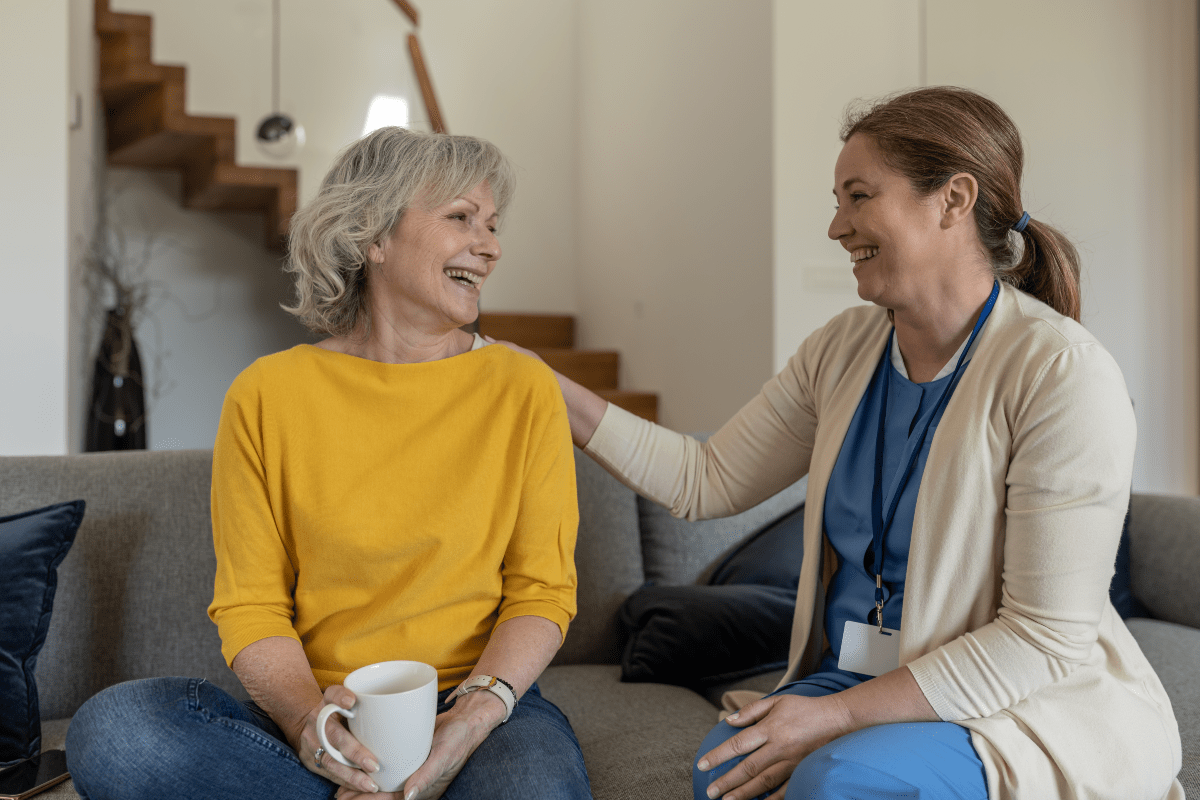
When we think of creating a safe environment for aging loved ones, our minds often jump straight to physical fixes: installing a ramp, removing a rug, or adding a grab bar. While these are critical, safety is more than just avoiding a fall—it is also about the feeling of being secure.
For seniors, especially those living with Alzheimer’s disease or other forms of dementia, safety is twofold. It requires a physical environment free of hazards and an emotional environment free of fear.
Whether you are an adult child caring for a parent or a spouse managing a partner’s care, this guide covers both the practical modifications and the emotional support strategies needed to help your loved one age in place safely.
According to the CDC, falls are the leading cause of injury for older adults. Reducing this risk often starts with a room-by-room assessment of the home. You don’t always need a contractor; many of these are simple adjustments you can make this weekend.
The bathroom is often considered the most dangerous room in the house due to slippery surfaces.
Resource: For a comprehensive printable list, we recommend the Home Safety Checklist from the National Institute on Aging.
Modifying the house is step one; modifying habits is step two.
ComForCare Resource: Learn how our Gaitway® Fall Risk Management Program can help reduce fall risks through specialized care.
Resource: Check your own risk level with the CDC’s STEADI Brochure on Fall Prevention.
While grab bars and lighting protect the body, we must not overlook the mind. A recent study in Neural Plasticity found that worrying about safety is a major driver of anxiety and depression.
For loved ones with dementia, the world can often feel confusing and disorienting. When the brain’s amygdala (the “fear center”) is triggered by confusion, a senior may feel unsafe even in their own living room.
Safety isn’t just about what you remove from the room; it’s about the energy you bring into it. If you care for someone with dementia, your approach can be the difference between a calm day and a fearful one.
ComForCare Resource: Our proprietary DementiaWise® program trains caregivers to create days filled with meaning and safety, rather than fear.
You cannot always be there 24/7, and that is often where the fear comes from—for both you and your parent. Whether you need someone to perform a home safety check, assist with mobility, or simply provide a comforting presence overnight, in-home care can bridge the gap.
If you are noticing unexplained bruises (signs of falls), increased confusion, or piles of unopened mail, it might be time to bring in professional support.
Creating a safe environment is a journey, not a one-time task. If you need support assessing your home or caring for a loved one with Alzheimer’s or dementia, contact your local ComForCare office today.
We can conduct a home safety assessment and develop a personalized care plan to keep your loved one safe, happy, and at home.
—
Sources:
AARP: HomeFit Guide
National Institute on Aging: Home Safety Tips for Older Adults


Each office is independently owned and operated
and is an equal opportunity employer.
© 2026 ComForCare Franchise Systems, LLC.
Contact Us
(800) 886-4044