
Get Started!
Looking for In-Home Care? See All Services
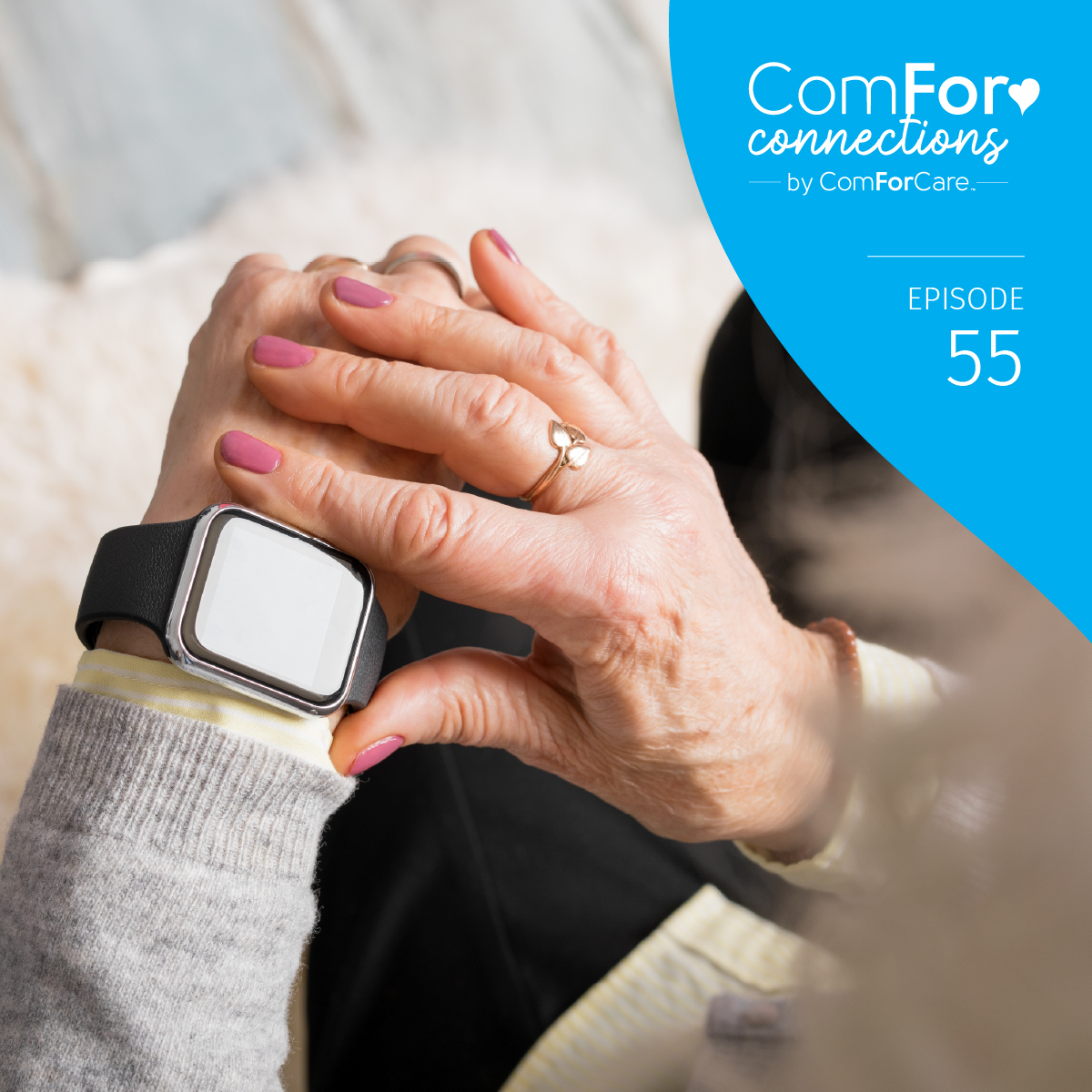
When a medical alert device is activated, what happens in the next few minutes depends on the response plan in place. That plan determines who hears about a problem, how quickly they hear, and if a care team or paramedics should respond.
On a recent episode of ComForConnections, Laura Aiello, Vice President of Business Development at LifeStation, told host Tiffany Robinson that this plan is the most critical part of adding a medical alert service to a loved one’s care toolkit.
A well-built plan can include neighbors, professional caregivers, and family members near and far, with the older adult deciding who gets called. For family caregivers and home care teams, planning together is one of the most useful steps they can take to help an older adult stay safe at home.
Laura encourages families to make this contact list broader than they might expect. “It’s critical to get all of the information that matters to a person,” she said, describing a circle that includes children, home health workers, and even pharmacists, neighbors, or faith leaders. Think about who already shows up in your loved one’s week.
The care agent who answers a medical alert call can see the wearer’s address, phone number, and the people they’ve chosen to notify. That contact list is the core of the response plan.
Families set a personal emergency plan that spells out who gets notified and in what order. Notifications can go out by phone call, text, or email, so the whole circle of care knows what’s happening in real time.
Proximity is a practical place to start, since many calls aren’t emergencies. A lift assist, when someone sits down and can’t get back up, is one of the most common. A daughter who lives two streets away may be the right first call, while a son three states away might prefer a text so he stays informed. Talk through who can realistically respond during a workday, overnight, or on weekends, and arrange the list to match.
A response plan works best when the person wearing the device helps build it. Laura shared that members sometimes press their button and ask the care agent to skip a family member entirely: “I don’t want to tell my daughter this happened again, but call my neighbor Bob.” She said that’s okay, because the priority is getting them help.
Tiffany added that families can reinforce this by reassuring their loved one that they decide who gets called. That sense of control tends to make someone more willing to wear the device in the first place. Wearers also know what information is shared and with whom, and they can update their contacts whenever their relationships or needs change.
Laura encourages home care agencies to understand a client’s setup, including who is on the contact list and how alerts are handled. When families and professional caregivers share that information, everyone knows their role during an alert.
Professional caregivers can also help keep the plan working day to day. For example, reminding clients to wear the device in the shower and kitchen, or noticing whether a mobile device is being charged and worn. “If you see that this device is always on 100%, you know it’s sitting on a charger,” Laura said. A caregiver who spots that can raise their concerns with the family before an emergency.
Review the plan whenever something changes in your loved one’s routine or support network.
A neighbor moves away, a grandchild starts driving, or a parent begins spending more time out of the house. Changes in overall health and mobility can impact who is best placed to respond, or whether a different device makes more sense. Set a time to review the contact list together, perhaps after a hospital stay or a change in care, and call the monitoring provider to make updates.
Pair the review with a button test. Laura recommended that wearers press their button during the week to get comfortable with how easy it is, so pressing it in a real emergency feels familiar.
Listen to the full episode of ComForConnections to hear more from Laura on choosing a device, how fall detection works, and how to start the conversation with a parent. To learn how professional support can work alongside a medical alert device, explore caregiving resources from ComForCare.


Each office is independently owned and operated
and is an equal opportunity employer.
© 2026 ComForCare Franchise Systems, LLC.
Contact Us
(800) 886-4044