
Get Started!

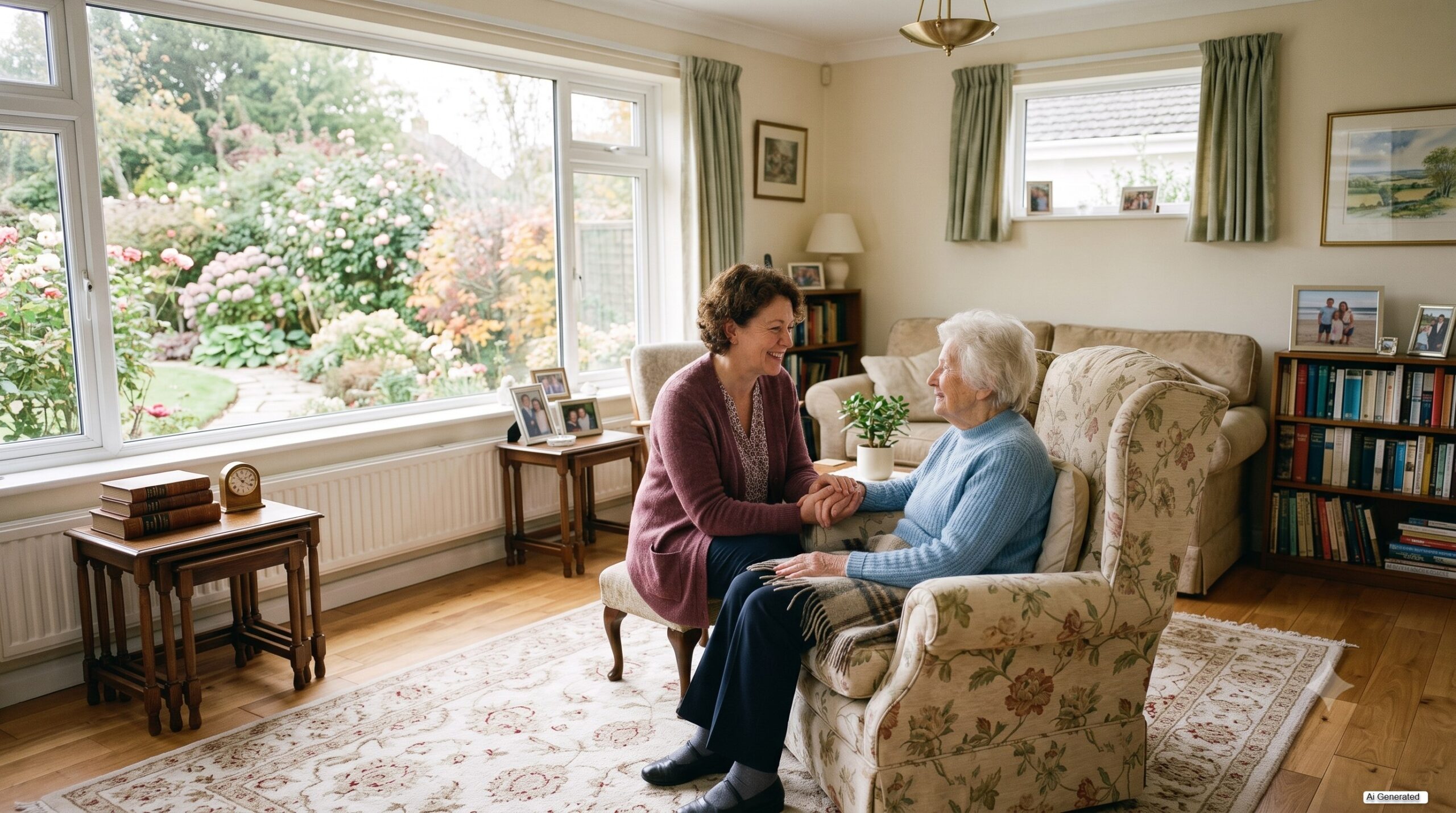
When someone you love is living with heart disease, daily life can feel heavier. You may notice them slowing down on the stairs, seeming more tired than usual, or hesitating to mention symptoms like chest tightness. You may find yourself wondering whether medications were taken correctly or whether a meal was heart-healthy enough. That constant, quiet worry is something many families in Springfield know well.
For seniors managing heart disease, the care that happens at home is often what determines whether they stay stable, or face a preventable crisis. This is where compassionate, knowledgeable in-home care becomes essential.
This guide explains how home care supports seniors with heart disease, the warning signs families should watch for, and the daily routines that make a meaningful difference in heart health.
Heart disease remains the leading cause of death in the United States, affecting millions of older adults. Yet many families don’t realize that most of the risk, and most of the management, happens at home, not in the hospital.
Small issues can escalate quickly:
On the other hand, consistent daily care, healthy routines, and a watchful caregiver can slow disease progression, prevent emergencies, and improve day-to-day comfort.
For many families in West Springfield, structured cardiac home care is not optional, it’s essential.
A trained caregiver does far more than assist with daily tasks. Their role is active, observant, and deeply supportive of cardiac health.
Medication adherence is critical for controlling blood pressure, cholesterol, and fluid retention. A caregiver ensures:
Regular monitoring helps catch changes early. Caregivers can assist with:
These small, consistent checks often prevent larger emergencies.
A low-sodium, heart-healthy diet is essential, but not always easy to maintain. Caregivers help by:
Light movement supports circulation and overall strength. Caregivers help seniors stay active safely by:
Heart disease can bring fear, anxiety, and isolation. A caregiver provides:
Caregivers ensure seniors get to:
They can also take notes and help families understand care instructions.
Consistency is key. These daily habits help seniors stay stable and supported.
A simple written log of symptoms, weight, blood pressure, and medications is one of the most valuable tools for families and doctors.
Any sudden or severe symptoms should be treated as an emergency. Call 911 immediately.
For ongoing changes, it may be time to increase home care support. Flexible respite care can also give family caregivers a much-needed break.
Caregivers are often the first to notice subtle changes. They observe what happens between doctor visits, the moments where risk is highest. When a caregiver is informed, consistent, and attentive, outcomes improve significantly.
At ComForCare Springfield, we understand the unique challenges families face when a loved one is living with heart disease. Our caregivers are trained, compassionate, and committed to supporting cardiac health through:
We work closely with your loved one’s doctors and specialists to ensure nothing is overlooked. In heart disease care, the small daily details matter, and we’re here to help manage them through dependable personal care at home.
If your loved one is living with heart disease in Springfield, our team is ready to support you.
Heart disease is serious, but with the right support, seniors can live safely and comfortably at home. Consistent care, careful monitoring, and a compassionate caregiver make all the difference.
ComForCare Springfield is here to provide that support, for your loved one and for your peace of mind.
Cardiac home care requires specialized awareness of symptoms, dietary needs, medication routines, and early warning signs. Caregivers trained in cardiac support are more observant and informed.
Yes. Chronic stress raises blood pressure and increases strain on the heart. Emotional support and calming routines are important parts of care.
Most older adults need 7–9 hours of quality sleep. Poor sleep can raise blood pressure and increase cardiac risk.
Yes, within doctor-approved limits. Light activity supports circulation and heart strength. Caregivers help ensure exercise is safe and consistent.
Call 911 for chest pain, sudden shortness of breath, dizziness, fainting, or pain spreading to the arm, jaw, or back. These may be signs of a heart attack or stroke.

Each office is independently owned and operated and is an equal opportunity employer.

© 2026 ComForCare Franchise Systems, LLC.