
Get Started!

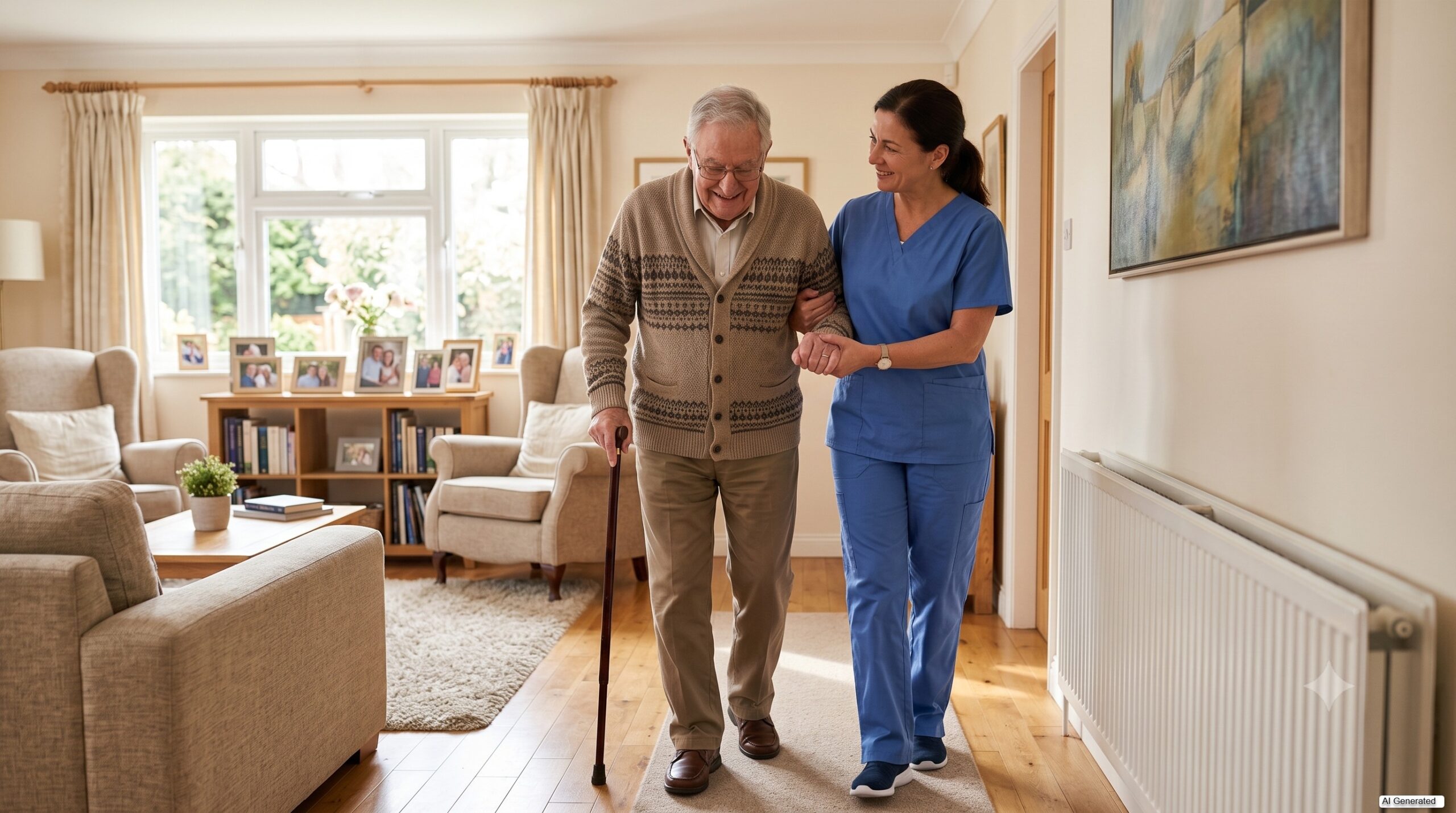
If you or a loved one has recently been diagnosed with Parkinson’s disease, it’s natural to wonder what the right treatment path looks like. Parkinson’s affects everyone differently, which means there is no one-size-fits-all approach. The most effective care plans are personalized, built around your symptoms, your lifestyle, and the stage of the condition.
Most people benefit from a combination of medication, therapy, lifestyle adjustments, and consistent support at home. As needs change, the care plan should evolve too, helping individuals remain as independent, comfortable, and confident as possible.
Parkinson’s affects more than movement. It can influence mood, energy, sleep, and daily routines. That’s why care must go beyond prescriptions and focus on the whole person. Having the right support system at home can make a meaningful difference, whether it’s help with daily activities, maintaining structure, or simply having someone who understands the journey.
At ComForCare Home Care South Fairfax, VA, we provide steady, compassionate Parkinson’s care at home so individuals with Parkinson’s can continue living safely and comfortably at home.
Parkinson’s disease is a progressive neurological condition that affects movement and gradually influences many aspects of daily life. It occurs when nerve cells in the brain lose their ability to produce dopamine, a chemical responsible for smooth, coordinated muscle movement.
As dopamine levels decline, symptoms may include:
While Parkinson’s is a long-term condition, many people continue to lead meaningful, active lives with the right care and support.
Early symptoms are often subtle and mistaken for normal aging. Recognizing them early allows for timely treatment and better long-term outcomes.
Common early signs include:
Early diagnosis allows individuals to begin treatment sooner, adopt beneficial routines, and plan ahead for future needs. Families also gain time to explore care options and build a strong support system.
Parkinson’s progresses gradually, and each stage brings different challenges.
Symptoms are mild and manageable. Treatment focuses on:
Symptoms become more noticeable. Daily tasks may require more effort. Treatment often includes:
Mobility becomes significantly limited. Individuals may need help with most daily activities. Care focuses on:
Understanding these stages helps families plan proactively and adjust care as needs change.
Effective Parkinson’s care involves a combination of medical and supportive strategies.
Levodopa and other medications help replenish or mimic dopamine. Regular medical reviews are essential to adjust doses and manage side effects. A caregiver can also help with medication reminders so doses are never missed.
Deep Brain Stimulation (DBS) may be recommended for individuals who no longer respond well to medication.
Rehabilitation therapies are essential:
These therapies help maintain independence and function for as long as possible.
There is no universal plan, the best approach is personalized and evolves with the disease.
A proactive, step-by-step approach helps families navigate Parkinson’s with confidence.
Parkinson’s care must address the whole person, not just physical symptoms.
A balanced diet and home-cooked meals support energy, muscle strength, and medication absorption.
Good sleep reduces fatigue, irritability, and cognitive challenges.
Depression and anxiety are common but treatable. Counseling and support groups help.
Isolation accelerates emotional and cognitive decline. Staying connected is essential.
A holistic approach leads to better outcomes and a more fulfilling daily life.
Most Parkinson’s care happens at home. A safe, structured environment can significantly improve daily functioning.
Helpful strategies include:
Home care adds structure, safety, and reliability to daily life.
As Parkinson’s progresses, daily needs become more complex. In-home care provides:
Professional caregivers help individuals maintain independence while ensuring safety and stability.
Caregivers, both family and professional, play a central role in managing Parkinson’s. They assist with:
However, caregiving can be physically and emotionally demanding. Professional respite care helps prevent burnout, provides education, and ensures consistent, high-quality support.
When caregivers are supported, patients benefit from more stable and compassionate care.
While there is no cure, Parkinson’s progression can be managed effectively. Many individuals live fulfilling lives for years with:
The goal is not only to slow progression but to optimize quality of life at every stage.
Families often wait too long to seek help. Consider home care when:
Early support improves safety, reduces emergencies, and provides peace of mind.
What is the most effective treatment for Parkinson’s?
A combination of medication, therapy, lifestyle changes, and structured support tailored to the individual.
Can Parkinson’s be managed without medication?
In very early stages, yes, but most people eventually need medication for effective symptom control.
What is the best exercise for Parkinson’s?
Exercises that improve balance, flexibility, and strength, ideally guided by a physical therapist.
When should treatment begin?
As soon as Parkinson’s is diagnosed.
What is the best way to manage Parkinson’s at home?
A safe environment, consistent routines, timely medication, and trained caregiver support.
Can home care reduce complications?
Yes. Proper routines, safety measures, and professional support reduce falls, improve symptom control, and enhance quality of life.

Each office is independently owned and operated and is an equal opportunity employer.

© 2026 ComForCare Franchise Systems, LLC.