
Get Started!

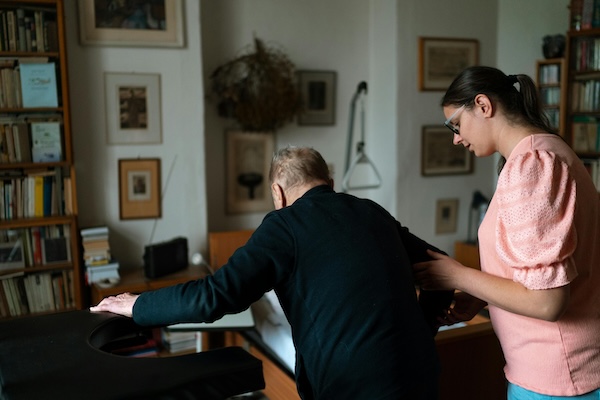
For many families across the Eastside, the goal is simple: help the people they love stay safe, comfortable, and independent at home for as long as possible. Yet one of the most common — and often overlooked — threats to that independence is the risk of falling. According to the Centers for Disease Control and Prevention, falls are the leading cause of injury among older adults in the United States. For seniors living in Bellevue and the surrounding King County communities, understanding what increases that risk and how to reduce it can make all the difference.
Whether your loved one is aging in place in a Bellevue neighborhood like Bridle Trails or Factoria, or you’re exploring support options for the first time, learning about fall prevention strategies for seniors is a meaningful first step toward protecting their well-being.
Falls rarely happen for just one reason. Most often, they result from a combination of factors that quietly accumulate over time. Physical changes like reduced balance, muscle weakness, and slower reflexes naturally occur with age. Medications that cause dizziness or drowsiness, vision changes, and health conditions like arthritis or Parkinson’s disease can all contribute. Around the home, hazards such as slippery rugs, poor lighting, uneven flooring, and cluttered hallways create environments where a single misstep can lead to a serious injury.
What makes falls especially concerning is the aftermath. Beyond broken bones and emergency room visits, a fall can trigger anxiety and fear — a cycle that leads seniors to limit their activity, which in turn weakens their muscles further and raises their risk all over again. For older adults navigating cognitive changes, including those living with Alzheimer’s or another form of dementia, the risk can be even more pronounced. Families exploring dementia care in the Bellevue area often discover that fall prevention is one of the most pressing daily concerns they face.
Every senior’s situation is different, but some warning signs tend to appear consistently. If your loved one has experienced a fall in the past year, even a minor one, they are significantly more likely to fall again. Difficulty getting up from a chair without using their arms, shuffling steps, or hesitating at doorways and stairs are all signs worth discussing with their physician. A sudden decline in activity or reluctance to leave the home can also indicate fear of falling — a concern that deserves just as much attention as the physical risks themselves.
Creating a safer living space does not require a major renovation. Many of the most effective changes are straightforward and can be addressed quickly. Start by walking through the home with fresh eyes, focusing on areas where falls are most likely to occur: bathrooms, kitchens, stairways, and entryways.
Installing grab bars in the shower and near the toilet is one of the highest-impact changes a family can make. Non-slip mats in the bathroom and kitchen, night lights along hallways and near the bed, and removing loose rugs or securing their edges are all practical improvements. Ensuring that commonly used items are within easy reach — so seniors do not need to stretch or climb — also reduces unnecessary risk throughout the day.
Good lighting matters more than many people expect. The Bellevue area’s grey winter months can make indoor lighting especially important. Motion-activated lights for nighttime trips to the bathroom can significantly reduce one of the most dangerous windows of vulnerability for older adults.
Even the best home modifications cannot replace the reassurance of a knowledgeable, attentive caregiver. Trained caregivers provide steady assistance with daily activities, monitor changes in mobility or balance, and offer gentle encouragement to keep seniors engaged and moving. Consistent, personalized care — delivered at home where seniors feel most comfortable — is one of the most powerful tools families have.
At ComForCare Home Care serving Bellevue, our caregivers are dedicated to helping seniors live with dignity, confidence, and independence. If you’re ready to explore how compassionate in-home support can help protect your loved one, we’re here to help you take that next step.

Each office is independently owned and operated and is an equal opportunity employer.
© 2026 ComForCare Franchise Systems, LLC.