
Get Started!

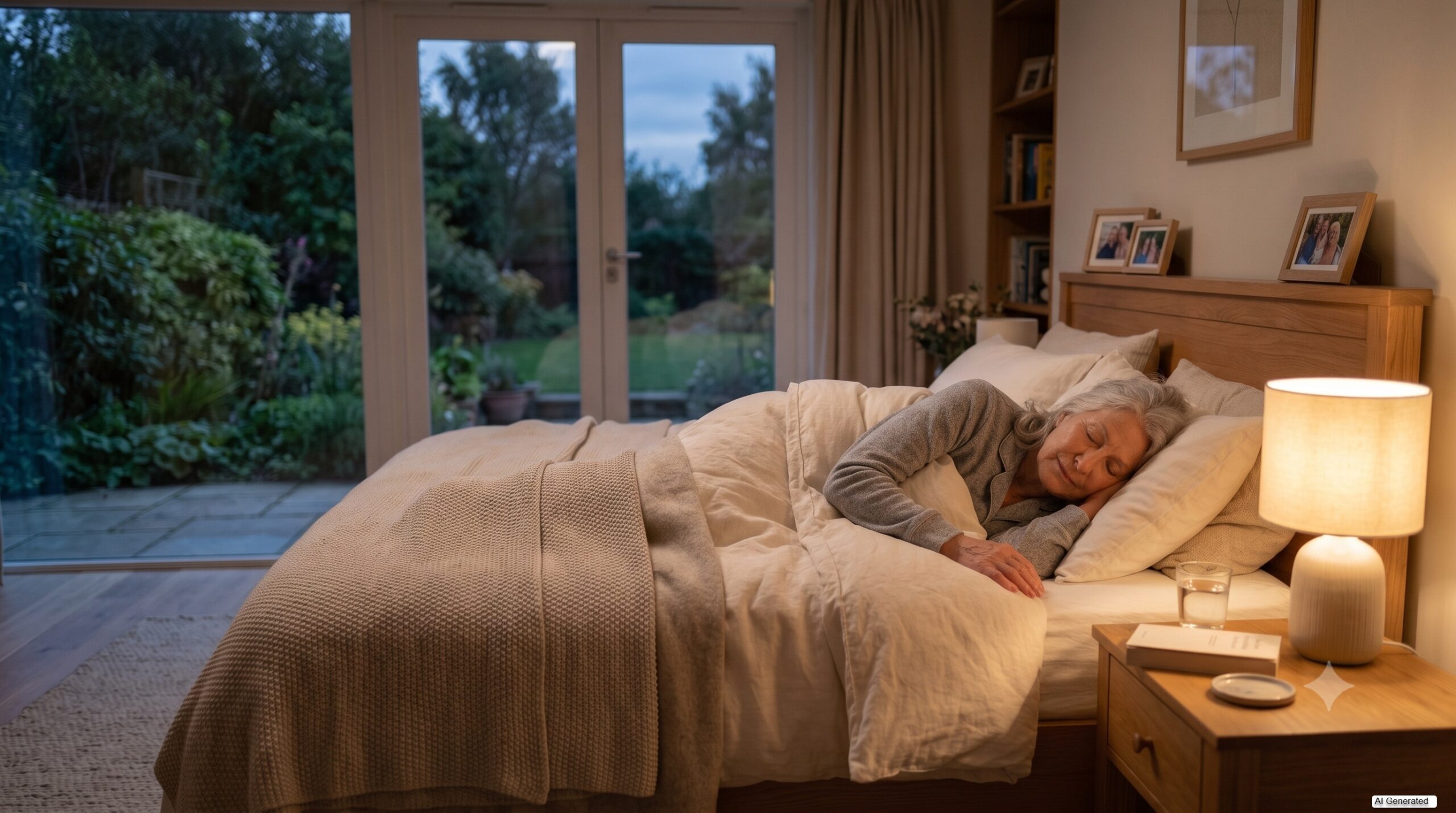
Watching a loved one struggle night after night with poor sleep is incredibly difficult. They are exhausted during the day yet wide awake at night. They may wake at 3 a.m. and cannot fall back asleep. Over time, you notice changes, more forgetfulness, irritability, withdrawal, and you wonder how much of it is tied to simply not getting enough rest.
Your instincts are right. Senior insomnia is real, common, and far more impactful than many families realize. Poor sleep in older adults is linked to increased fall risk, weakened immunity, memory decline, and changes in mood. But here’s the encouraging truth: insomnia is not something your loved one has to accept as part of aging.
As a home care provider, we see every day how restorative sleep transforms a senior’s quality of life. A well-rested older adult moves more confidently, engages more fully, and feels more like themselves. With the right support and a consistent routine, sleep can improve, often more than families expect.
This guide explains why insomnia happens, what signs to look for, and practical steps families and caregivers can take to help seniors sleep better at home.
Insomnia is a sleep disorder that makes it difficult to fall asleep, stay asleep, or achieve restful sleep, even when there is enough time set aside for rest.
It becomes a concern when it happens regularly and begins affecting daytime functioning.
Common symptoms include:
Sleep naturally changes with age, but several factors can make insomnia more common in older adults.
The internal sleep-wake cycle shifts with age, causing earlier bedtimes and earlier wake times. This can lead to fragmented sleep.
Arthritis, heart disease, diabetes, acid reflux, and chronic pain frequently disrupt sleep.
Many common medications, including those for blood pressure, asthma, and depression, can interfere with sleep patterns.
Emotional stressors, loneliness, and depression can make it difficult to unwind at night.
Less movement during the day often leads to lighter, more restless sleep at night.
Without a structured routine, sleep and wake times can drift, confusing the body’s natural rhythm.
The good news is that many sleep challenges improve with simple, consistent habits. These evidence-based strategies can make a meaningful difference.
Go to bed and wake up at the same time every day. This helps regulate the body clock and makes falling asleep easier over time.
A predictable wind-down routine signals the body that it’s time to rest. Try:
A good sleep environment should be:
Blue light from phones and TVs can delay the brain’s natural sleep signals.
Even light activity, like a short walk, improves sleep quality. Sunlight exposure also helps regulate the sleep-wake cycle.
Short naps are fine, but long or late-day naps can make nighttime sleep more difficult.
Lifestyle changes help many seniors, but some situations require medical evaluation.
Speak with a doctor if:
Urgent care centers can address short-term concerns but are not ideal for chronic insomnia. A primary care doctor or sleep specialist can provide a more thorough evaluation and long-term plan.
Sleep challenges rarely exist in isolation, they are often tied to daily habits, emotional well-being, activity levels, and routine. This is where in-home care makes a meaningful difference.
ComForCare caregivers help by:
Better sleep begins with better days, and we support both.
If your loved one is struggling with insomnia, we are here to help. Our personalized in-home care plans are designed to improve comfort, safety, and overall well-being.
Senior insomnia is common, but it is not inevitable. With the right habits, a calming routine, and supportive care, sleep can improve significantly. Small, steady changes often lead to big results.
If you are caring for an older adult who is struggling to rest, you do not have to navigate it alone. ComForCare South Fairfax, VA is here to provide the structure, companionship, and gentle support that help seniors sleep, and live, better.
It becomes more common, but it does not have to worsen. Many seniors improve with consistent routines and proper support.
Yes. Social isolation is a known contributor to poor sleep in older adults.
Older adults still need 7–9 hours of sleep. Feeling rested on much less may signal poor sleep quality.
Absolutely. Poor sleep impacts memory, concentration, and cognitive health.
Yes. Heavy meals, caffeine, and alcohol can all disrupt sleep.
Caregivers support the daily structure, routine, and emotional well-being that good sleep depends on.

Each office is independently owned and operated and is an equal opportunity employer.

© 2026 ComForCare Franchise Systems, LLC.