
Get Started!

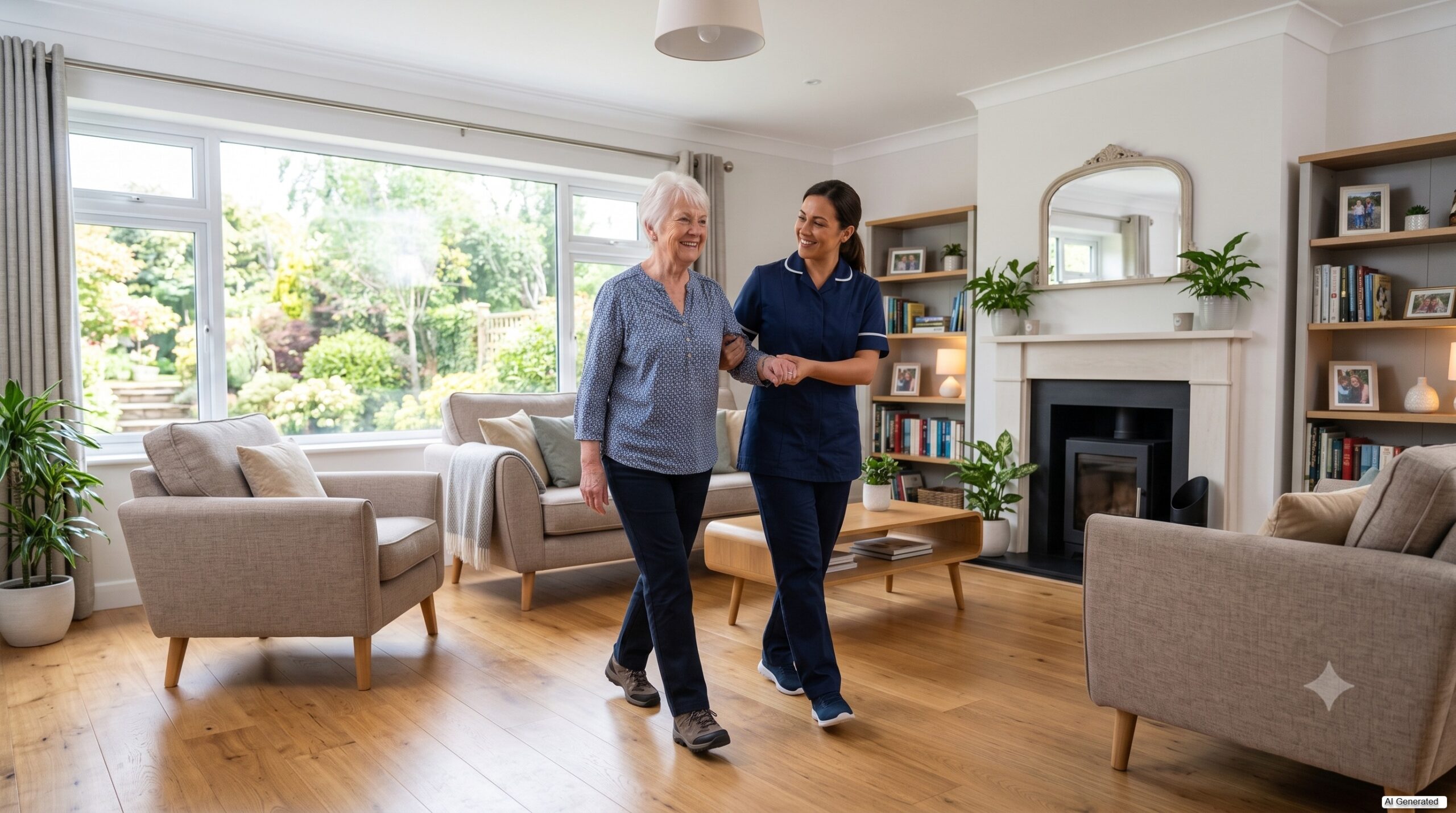
If you’ve ever watched a parent struggle to stand from a chair or held your breath as they crossed a wet bathroom floor, you know the feeling well. You want them safe. You want them to be comfortable. And above all, you want them to maintain dignity and independence in the place they love most, their home.
You’re not alone. Millions of families are navigating the same concerns every day.
The good news is that home safety for older adults can be significantly improved. With thoughtful adjustments, the right support, and reliable in-home care, your loved one can continue living safely, confidently, and comfortably at home.
This guide walks you through practical room-by-room safety tips, emotional considerations, and how professional home care strengthens safety and independence.
Most older adults want to remain at home as they age, nearly 75% of adults over 50 say aging in place is their strong preference. Familiar surroundings support emotional well-being, reduce anxiety, and provide a sense of stability.
However, most homes were not designed with aging in mind. Over time, everyday features can become hazards:
Falls are the most urgent concern. They are the leading cause of injury among adults 65+, sending millions to emergency rooms each year. Knowing the early signs of fall risk can help families act sooner. But falls are only part of the picture. Medication errors, isolation, poor nutrition, and unmanaged chronic conditions also pose serious risks.
A proactive approach to home safety, combining physical modifications, emotional support, and professional care, can make all the difference.
Before buying equipment or calling contractors, take a slow walk through your loved one’s home at their pace. You’ll notice risks you may have overlooked.
For more ideas, see our guidance on bathroom safety for seniors.
Any “No” is a sign that action is needed.
Loneliness is one of the most significant risks for older adults living at home. Social isolation affects mood, energy, alertness, and even physical safety. A person who feels disconnected is less likely to ask for help, less motivated to move safely, and more vulnerable to depression.
Supporting emotional well-being means:
Professional caregivers play a key role here. They provide companionship, consistency, and genuine human connection, all of which directly support safety and quality of life.
Even when families do everything right, there are gaps that are difficult to fill alone. Professional caregivers bridge those gaps with skill, consistency, and trained awareness.
Help with bathing, dressing, grooming, and mobility, tasks that are physically demanding and deeply personal. Caregivers support these needs safely and respectfully.
Medication errors are a major risk for older adults. Caregivers ensure medications are taken correctly and on time, reducing the chance of complications.
Proper nutrition supports strength, cognition, immunity, and mood. Caregivers prepare balanced meals and ensure regular eating habits.
Assistance with transfers, walking, and exercises helps prevent falls and maintain strength.
Caregivers are trained to spot hazards, changes in health, or early warning signs that families may miss.
Consistent, meaningful interaction reduces loneliness and supports emotional well-being, a key part of staying safe at home.
Consider in-home care if:
Early support prevents crises and helps your loved one remain independent longer.
Caring for an aging loved one is an act of love, and it’s normal to worry, second-guess yourself, or wonder whether you’re doing enough. Home safety is not just about grab bars and checklists. It’s about dignity, connection, routine, and ensuring that home still feels like home.
Small changes make a big difference: a nightlight that prevents a fall, a grab bar that offers stability, a caregiver who shows up with compassion and consistency. These are the things that make aging at home possible.
If you’re exploring additional support, ComForCare South Fairfax, VA is here to help. Our caregivers provide safety, companionship, and personalized care that supports every part of your loved one’s well-being.
How can I make my home safer without spending a lot?
Start with low-cost, high-impact changes: grab bars, better lighting, secured rugs, and clutter-free walkways.
What does home care include?
Services typically include personal care, medication reminders, meal preparation, mobility support, and companionship, tailored to your loved one’s needs.
How does home care improve safety?
Caregivers reduce fall risk, ensure proper medication use, provide emotional support, and notice early changes in health or behavior.
Can I do a home safety check myself?
Yes. The checklist above is a great starting point. For a deeper assessment, a home care provider or occupational therapist can help.
When should I consider professional home care?
If falls, skipped meals, forgotten medications, loneliness, or caregiver burnout are present, it’s time to explore support.
Is home care better than assisted living?
For many seniors, yes. With proper safety modifications and in-home support, older adults can remain at home safely for years.
How does home care support seniors with dementia?
Through specialized dementia care, caregivers maintain routines, provide gentle supervision, assist with daily tasks, and help reduce confusion and anxiety.
Will a caregiver replace family involvement?
No. Caregivers partner with families. They support daily needs so you can focus on being family, not just a caregiver.

Each office is independently owned and operated and is an equal opportunity employer.

© 2026 ComForCare Franchise Systems, LLC.