
Get Started!

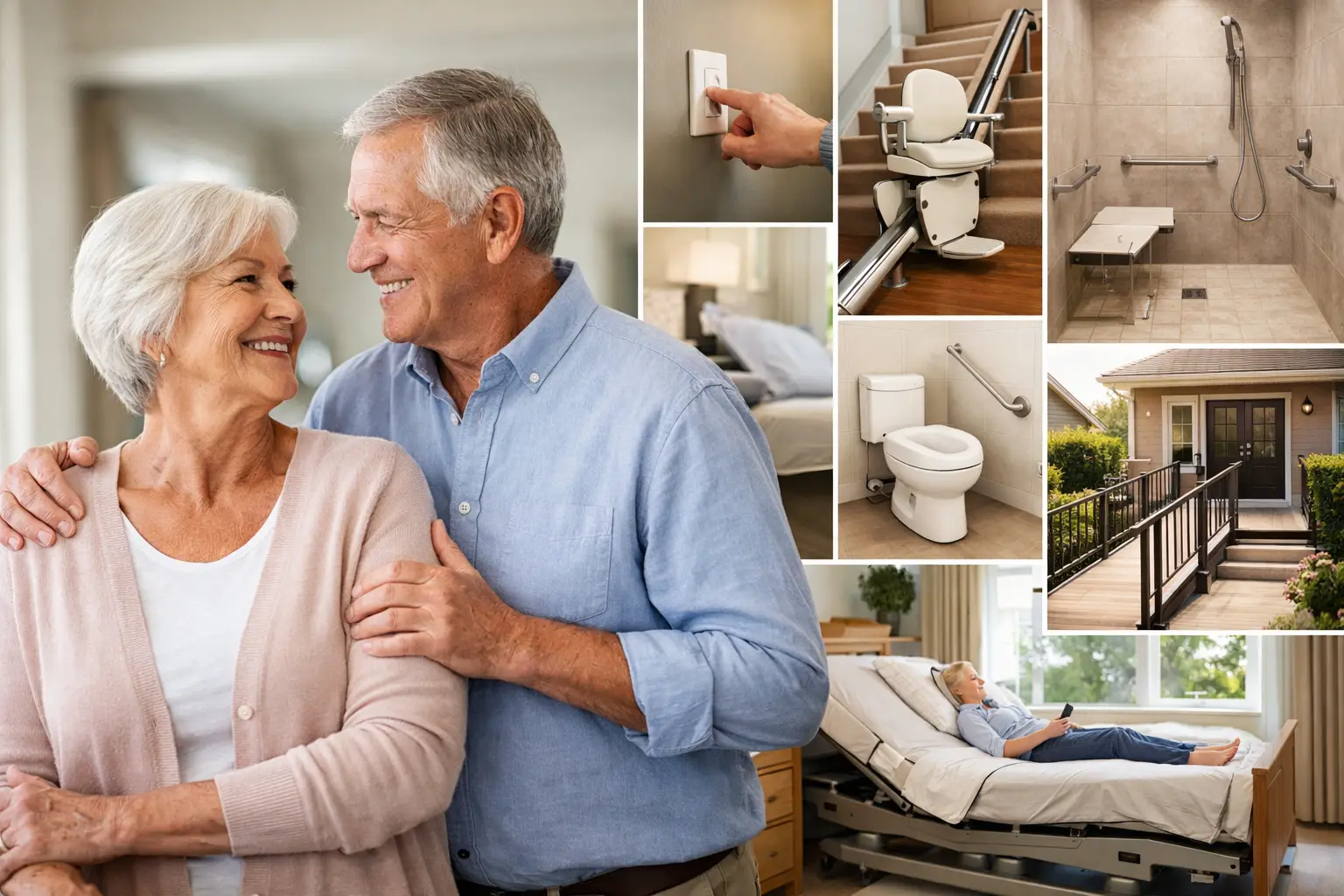
A loose bathroom rug, a dim hallway, or one steep front step can turn an ordinary daily routine into a source of worry. The right top home modifications for seniors are not about making a house feel clinical. They are practical changes that help an older adult move through familiar spaces with greater safety, comfort, and confidence.
For families, home modifications can also reduce the pressure of constant supervision. They work best when paired with a realistic care plan that considers mobility, vision, strength, memory, medication effects, and the support a loved one needs with daily activities.
A full renovation is not always necessary. In many homes, a few well-chosen changes in the bathroom, entryway, bedroom, and kitchen can make the most immediate difference. Start by noticing where your loved one holds onto furniture, hesitates, loses balance, or avoids going altogether.
A recent fall, a hospital stay, a new walker, or a dementia diagnosis are all good reasons to reassess the home. It is often easier and less stressful to make changes before an emergency forces the decision.
Grab bars provide steady support when standing, sitting, or changing direction. The most useful locations are beside the toilet and inside the shower or tub area. They should be securely anchored into wall studs or installed with hardware designed for the wall structure.
Towel bars and suction-cup handles are not reliable substitutes for professionally installed grab bars. A caregiver or family member may also need to consider placement from both standing and seated positions, especially if the person uses a walker or wheelchair.
Stepping over a tub wall is a common fall risk, particularly after surgery, with arthritis, or when balance is changing. A walk-in shower with a low or no threshold can make bathing easier to manage. A shower chair, handheld showerhead, nonslip flooring, and grab bars add further support.
A walk-in tub can be helpful for some people, but it is not the best choice for everyone. The person must be comfortable sitting while the tub fills and drains, and the bathroom layout must accommodate it. A shower conversion may be more practical for someone who needs caregiver assistance with bathing.
Shadows and poor visibility make stairs, changes in flooring, and nighttime bathroom trips more hazardous. Add bright, even lighting in halls, stairways, entrances, closets, and the kitchen. Motion-activated lights can be particularly helpful near the bed, along the path to the bathroom, and at exterior doors.
Choose bulbs that provide clear light without harsh glare. Light switches should be easy to reach and easy to operate. For a loved one with dementia, consistent lighting can also reduce confusion and make familiar rooms easier to recognize.
A secure handrail on both sides of a staircase gives an older adult more support than one rail alone. Steps should be clear, well lit, and free of loose runners, clutter, or worn carpet edges. Contrasting tape on the first and last step can help people with low vision see the change in level.
At the entrance, consider a ramp or a small threshold ramp when a walker, wheelchair, or uneven step creates a barrier. The right option depends on the height of the entry, available space, local building requirements, and whether the person can safely manage the slope independently.
Small household obstacles can have an outsized effect on fall risk. Secure or remove throw rugs, coil extension cords away from walking paths, repair uneven flooring, and keep frequently used items within easy reach. Rearranging furniture to create wider pathways is often a simple and meaningful change.
This is especially valuable for older adults who shuffle, have Parkinson’s disease, use mobility equipment, or experience vision changes. A clear path from the bedroom to the bathroom is one of the most worthwhile places to begin.
When climbing stairs becomes difficult, moving the primary sleeping area to the first floor can preserve independence and reduce fatigue. This may mean converting a den, dining room, or other flexible space into a comfortable bedroom.
Ideally, the room should be near a full or half bathroom. It should also have enough space for safe transfers from bed to walker or wheelchair, as well as room for a caregiver to assist if needed. This change can be less disruptive than moving from home before it is truly necessary.
A raised toilet seat or comfort-height toilet reduces the distance a person needs to lower and lift themselves. Toilet safety rails can provide added stability when wall-mounted grab bars are not immediately possible.
Consider the person’s overall mobility before selecting equipment. A seat that is too high can leave someone’s feet unsupported, while a setup that is too narrow can be difficult for a person who needs assistance. Comfort and safe positioning matter as much as convenience.
A kitchen does not need to be completely remodeled to become more usable. Store everyday dishes, food, and cooking tools between waist and shoulder height. Replace hard-to-grip knobs with lever-style handles where appropriate, and choose appliances with clear controls and automatic shutoff features.
A sturdy chair or perching stool can make meal preparation less tiring for someone who cannot stand for long periods. If memory loss is a concern, families may also need to limit access to the stove or add safety devices. That decision can be emotional, but it should be guided by actual safety needs rather than assumptions about independence.
Round doorknobs, small faucet handles, and difficult locks can be frustrating for people with arthritis, tremors, weakness, or limited hand function. Lever-style door handles, single-handle faucets, and easy-grip cabinet pulls are straightforward upgrades that support everyday autonomy.
Consider replacing traditional keys with a keypad lock or other accessible entry system if managing keys has become difficult. For someone with dementia, however, any change to door access should be part of a broader safety plan that considers wandering risk and emergency access.
Technology can support aging in place when it solves a real problem. Video doorbells, medication reminder devices, fall-detection systems, smart smoke detectors, and voice-controlled lights may help families stay connected and respond more quickly to concerns.
Technology is not a replacement for human support. A device cannot notice that someone has stopped eating, is becoming unsteady in the shower, or seems confused after a medication change. The most effective plan combines useful tools with regular check-ins and dependable care.
The best home changes depend on the person, not just the house. A loved one recovering from a hip replacement may need temporary equipment and help with bathing. Someone living with dementia may benefit more from improved lighting, simplified pathways, and consistent routines. A person with progressing mobility limitations may need larger structural changes, such as a ramp, widened doorway, or accessible shower.
Before investing in major renovations, consider an in-home assessment from a qualified occupational therapist, aging-in-place professional, contractor experienced in accessibility, or care provider. Ask practical questions: Can your loved one use the change safely? Will it still work if their needs increase? Does it make it easier for a family member or caregiver to provide assistance?
A safer home is a strong foundation, but it may not address every daily challenge. Families may still need help with bathing, dressing, meal preparation, medication reminders, light housekeeping, or companionship. Regular support can also help identify new concerns before they become a crisis.
At ComForCare Home Care Marlborough, a personalized care consultation can help families look at the whole picture: daily routines, fall risks, recovery needs, memory changes, and the support that would help a loved one remain at home with dignity. For some families, a few modifications plus part-time care provides the right balance. Others may need more consistent support after a hospitalization or as care needs change.
Making the home safer is not about taking control away from an older adult. It is about protecting the routines, choices, and familiar moments that make home feel like home.

Each office is independently owned and operated and is an equal opportunity employer.

© 2026 ComForCare Franchise Systems, LLC.