
Get Started!

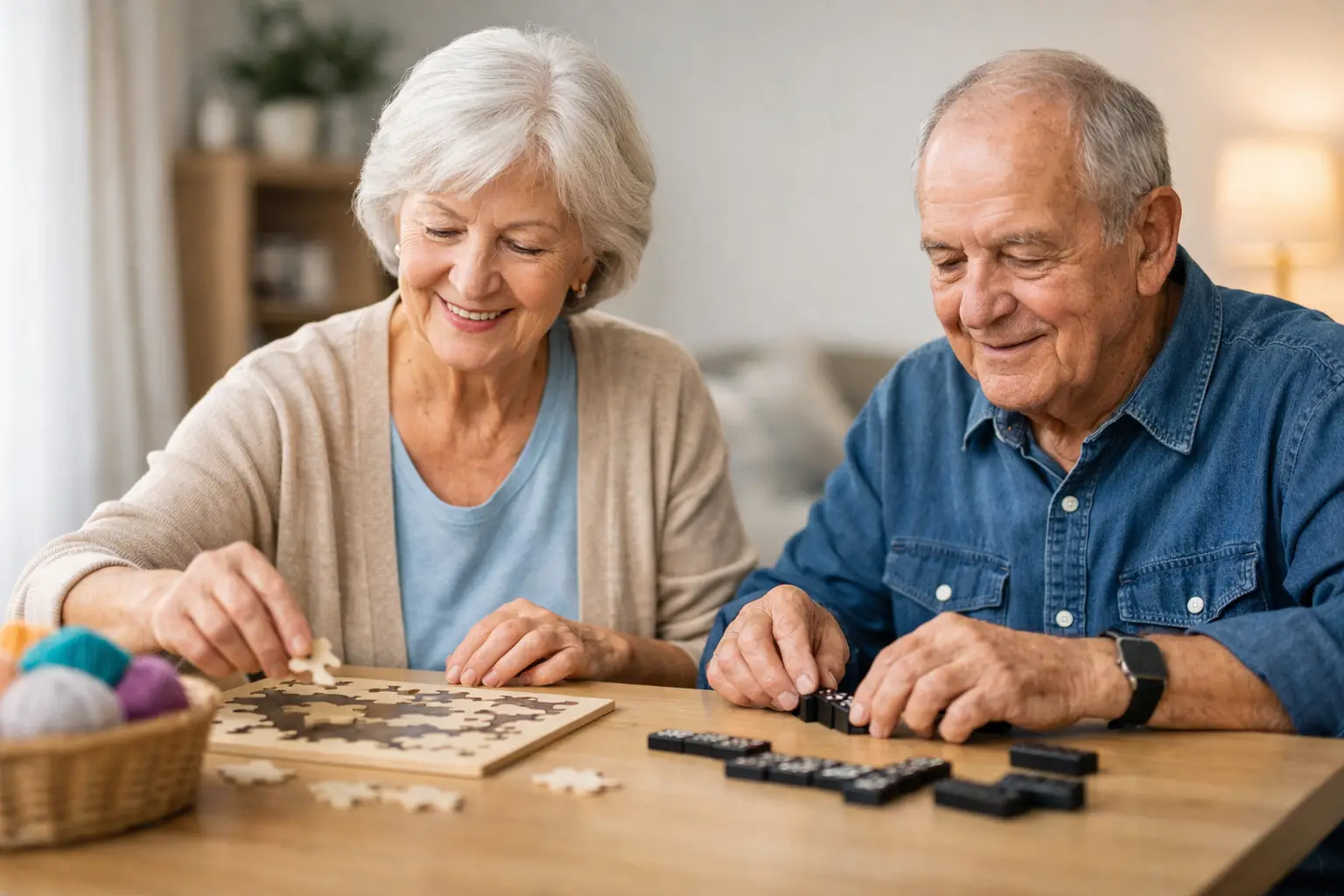
A familiar song can change the tone of an afternoon. So can folding warm towels, looking through a family photo album, or helping prepare a favorite recipe. The best dementia activities for seniors are not about keeping someone busy for the sake of it. They create moments of comfort, purpose, and connection while respecting the person your loved one has always been.
For families, activities can also bring relief. When dementia changes communication, attention, and daily routines, it is easy to feel as though every interaction needs to be carefully managed. Meaningful engagement offers another path: one that follows your loved one’s abilities, preferences, and pace rather than asking them to perform or remember on demand.
A diagnosis does not erase a person’s interests, work history, values, or sense of humor. Someone who spent years gardening may enjoy sorting seed packets or watering a windowsill plant. A former teacher may respond to reading poems aloud, helping a grandchild with flash cards, or organizing stationery. A person who loved hosting family dinners may find satisfaction in setting the table or stirring ingredients for a simple meal.
The activity itself matters less than the feeling it creates. A good choice can help a senior feel useful, capable, relaxed, or close to others. It should not feel like a test of memory. Questions such as “Do you remember this?” can unintentionally create pressure. Instead, try observations and invitations: “These photos make me smile,” or “Would you keep me company while I fold these towels?”
Cognitive abilities can change from day to day, and sometimes from hour to hour. An activity that feels welcome in the morning may be frustrating later in the day. That is not a failure. It is useful information about your loved one’s energy, comfort, and needs in that moment.
Activities work best when they are simple, familiar, and easy to stop without disappointment. Choose one task at a time, keep supplies visible, and offer gentle guidance only when needed. The following options can be adapted for many stages of dementia.
Music often reaches people even when conversation becomes difficult. Play songs from your loved one’s teens, twenties, or favorite family celebrations. You might sing together, tap along to the rhythm, or simply sit quietly and listen. Avoid making it a quiz about song titles or artists. The goal is the emotional response, not the correct answer.
For some people, upbeat music encourages movement. A seated sway, hand clapping, or a few slow steps with appropriate support may lift the mood. If your loved one has balance concerns, keep movement supervised and make safety the priority.
Household tasks can provide structure without feeling like an organized activity. Folding washcloths, matching socks, sorting coupons, wiping a table, arranging flowers, or placing napkins on the table can all offer a sense of contribution. Choose items that are safe and familiar, and let the result be imperfect.
This approach can be especially helpful when a person becomes restless or follows a caregiver from room to room. Rather than repeatedly asking them to sit down, invite them into a small shared task. “I could use your help” can preserve dignity in a way that correction often cannot.
Art does not require a finished product. Large crayons, washable markers, watercolor painting, modeling dough, collage materials, or coloring pages with bold designs may provide calm sensory focus. Some seniors prefer practical creativity, such as arranging greeting cards, making a simple seasonal centerpiece, or choosing photos for an album.
Keep expectations low and materials manageable. Too many choices can be overwhelming, particularly as dementia progresses. Set out two or three colors instead of an entire box, and offer a sturdy surface with good lighting.
A memory box can hold safe, meaningful items such as postcards, recipe cards, costume jewelry, a small sports memento, or pictures of places that mattered. Looking through the box together may prompt stories, feelings, or even just a moment of recognition. If details are mixed up, there is usually no need to correct them.
Reading aloud can offer similar comfort. Try short poems, familiar prayers, newspaper headlines, humorous stories, or passages from a beloved book. For someone who cannot follow a longer story, a few sentences may be enough. Pay attention to facial expression and body language to see what feels comforting.
A view of birds at a feeder, a short time on the porch, watering plants, or arranging leaves and flowers can provide gentle stimulation. Natural light may also support a more regular sleep-wake rhythm. If going outdoors is not practical, bring nature inside with potted herbs, a bouquet, or a simple birdwatching book.
Outdoor activities require extra planning for heat, cold, wandering risk, uneven surfaces, and fatigue. A brief, supervised moment outside is often more enjoyable than an ambitious outing that becomes tiring.
Early in dementia, a person may still enjoy games, crafts, community events, and familiar hobbies with a little more support. Simplify the rules, reduce distractions, and allow extra time. A complex card game might become sorting cards by color. A baking project might become measuring one ingredient or stirring batter.
As dementia advances, sensory and relationship-based activities often become more meaningful than tasks requiring planning or short-term memory. Hand massage with unscented lotion, soft music, looking at photos, holding a familiar blanket, or listening to a loved one read can be deeply reassuring. The person may not be able to explain what they enjoy, so watch for signs of ease: softer facial expressions, steady attention, relaxed hands, or a quieter voice.
There is no universal list that works for every senior. An activity should be adjusted or stopped if it leads to agitation, embarrassment, fatigue, or confusion. Sometimes the kindest choice is not an activity at all. Sitting together with a cup of tea, offering reassurance, or allowing time to rest can be exactly what is needed.
Set up the environment before inviting your loved one to participate. Reduce background noise, turn on adequate lighting, and clear clutter from the work area. If vision or hearing has changed, use larger materials, speak clearly, and sit where you can be easily seen.
Avoid sharp tools, hot appliances, small objects that could be swallowed, or activities that involve standing without support. When your loved one seems frustrated, resist the urge to explain repeatedly. A calm redirection often works better: offer a snack, change rooms, turn on music, or shift to a simpler task.
Caregivers also need permission to keep activities short. Ten peaceful minutes of folding laundry together can be more valuable than an hour-long program that causes stress. Repetition is normal and can be comforting. If your loved one wants to sort the same buttons or hear the same song each day, familiarity may be serving an important purpose.
Finding meaningful ways to spend time together can be rewarding, but it can also become difficult when you are managing meals, medications, personal care, appointments, work, and your own household. Respite is not stepping away from your loved one. It is a practical way to protect your energy and sustain the relationship.
Trained in-home caregivers can provide companionship while incorporating activities into a normal day: preparing a simple meal together, taking a safe walk, listening to music, organizing photos, or working on a familiar household task. At ComForCare Home Care Marlborough, personalized dementia care plans are designed around the individual, including their routines, abilities, safety needs, and sources of joy.
A personalized care consultation can help families consider which supports would make home feel safer and more manageable, whether care is needed for a few hours of companionship, family respite, or more consistent assistance. The right activity is often a small, familiar invitation that lets your loved one feel seen, included, and at home.

Each office is independently owned and operated and is an equal opportunity employer.

© 2026 ComForCare Franchise Systems, LLC.