
Get Started!

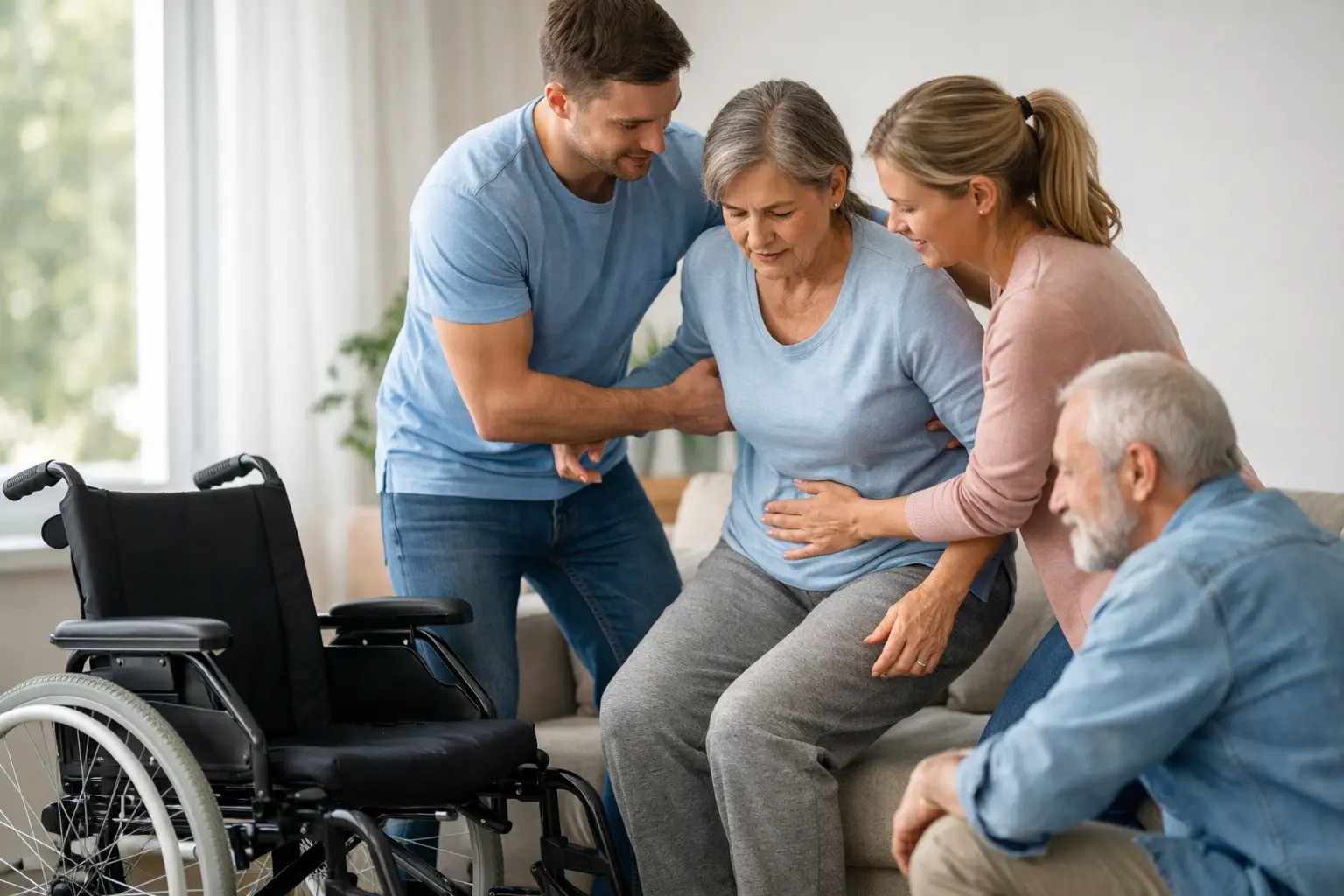
| Summary: Transferring or moving between bed, chair, toilet, and car are one of the moments families are most likely to get hurt or cause injury. This guide walks through assessing ability, preparing the space, using safe body mechanics, and recognizing when a transfer needs professional support, covering the bed-to-chair, toilet, and car transfers families manage most often. |
A transfer can take only a few seconds, yet it is one of the moments when an older adult and a family caregiver may be most vulnerable to injury. Standing from a favorite recliner, getting from bed to the bathroom at night, or stepping into a car after an appointment can become difficult after a hospitalization, a fall, weakness, arthritis, Parkinson’s disease, or changes in balance. This guide to safe transfers can help families recognize what makes movement safer and when hands-on support is needed.
The goal is not simply to get from one place to another. A safe transfer protects your loved one’s dignity and confidence while also protecting the person assisting them from back, shoulder, or fall-related injuries. The right approach depends on the individual’s strength, balance, cognition, pain level, and ability to follow directions.
Before assisting with any transfer, pause and consider what your loved one can safely do on their own. Some people need only a steadying hand or a reminder to use their walker. Others may require close supervision, a gait belt used by a trained caregiver, a mechanical lift, or assistance from more than one person.
A person who can bear weight through both legs, follow simple instructions, and maintain reasonable balance may be able to participate in a standing transfer with appropriate support. If they cannot bear weight, their knees buckle, they become dizzy when standing, or they are confused about where they are going, do not try to manage a difficult transfer alone.
Recent changes deserve special attention. New weakness on one side, sudden confusion, chest pain, shortness of breath, fainting, or a new inability to stand may require prompt medical attention. After a hospital stay, follow the discharge instructions and any guidance from a physical or occupational therapist. Those recommendations are based on the person’s specific diagnosis, precautions, and recovery plan.
Many transfer-related falls are caused by an environment that was not ready. A few moments of preparation can make a meaningful difference.
Make sure the route is clear of footstools, loose rugs, cords, pets, and clutter. Turn on lights, especially for nighttime trips to the bathroom, and have the destination surface ready before your loved one stands. A wheelchair or transfer chair should be positioned close to the bed, chair, or toilet, with the brakes locked and footrests moved out of the way.
Shoes matter, too. Supportive, non-slip footwear is safer than socks, slippers without traction, or bare feet on a smooth floor. If your loved one uses a cane, walker, hearing aids, or glasses, make sure those items are within reach and being used as recommended.
Bed height and chair height can either help or hinder a transfer. A low, soft couch may be comfortable for resting but difficult to stand from. A firm chair with armrests usually provides better support. For someone who struggles to rise from the toilet, a raised toilet seat or properly installed grab bars may reduce strain and improve stability. Equipment should be selected with professional guidance, particularly when mobility needs are changing.
Rushing creates risk. Explain what will happen before you begin, even if you have completed the same transfer many times. Simple, calm directions such as, “We are going to stand together on the count of three,” give your loved one time to prepare and participate.
Encourage them to do as much as they safely can. They may be able to scoot forward, place both feet on the floor, push from the chair arms, or reach for a stable surface once standing. Participation supports strength and independence, but it should never mean asking someone to move beyond their ability.
For a person living with dementia, shorter instructions are often more effective than a series of detailed steps. Reduce distractions, make eye contact, and allow extra time to process what you are saying. If fear or frustration rises, stop and reset rather than forcing the movement. A calm, familiar routine can be especially helpful during toileting, bathing, and bedtime care.
Family caregivers often hurt their backs because they try to lift a loved one rather than support a transfer. Whenever possible, encourage your loved one to use their legs and arms. Keep your own feet apart for balance, bend at your knees rather than your waist, and keep the person close to you instead of reaching across a gap.
Avoid twisting while holding or supporting another person. Instead, take small steps to turn. Never pull a loved one up by their arms, shoulders, clothing, or under their armpits. These approaches can cause pain, skin injury, or a loss of balance. They can also be especially unsafe for someone with shoulder problems, osteoporosis, or recent surgery.
A gait belt may be useful for some standing transfers, but it is not appropriate for every person or every medical condition. It should be fitted and used according to professional instruction. It is not a substitute for a lift when a person cannot safely bear weight.
If your loved one begins to fall, do not try to hold them upright at all costs. Protecting both of you is the priority. If you can, guide them toward a nearby stable surface or lower them as safely as possible while calling for help. After any fall, consider whether they may be injured before trying to move them again.
Before moving from bed to a chair or wheelchair, help your loved one sit at the edge of the bed for a moment. This gives them time to adjust and can reveal dizziness that may not be apparent while lying down. Make sure their feet are flat on the floor and the chair is close enough to avoid a long pivot.
For people with weakness on one side after a stroke or injury, placement of the chair and the direction of the transfer may be part of their therapy plan. Follow the guidance provided by their rehabilitation team rather than relying on a general method.
Bathroom transfers are particularly challenging because they may happen urgently, in a small space, or at night. Keep commonly needed items accessible, provide adequate lighting, and consider whether the bathroom setup gives both people enough room to move safely.
Privacy still matters. Offer support without taking over more than necessary, and use towels, robes, or closed doors appropriately. When toileting becomes consistently difficult, it may be time to discuss a bedside commode, scheduled bathroom visits, or additional care support rather than waiting for a fall.
Getting into a vehicle requires balance, turning, and managing uneven pavement. Park on a level surface whenever possible, open the door fully, and let your loved one back up until they feel the seat against the backs of their legs. They can sit first, then bring their legs into the car one at a time if that is safer and more comfortable.
A low vehicle can be harder to enter than a higher seat, and rainy or icy Massachusetts weather adds another layer of risk. Plan extra time for appointments so no one feels pressured to hurry.
There is no failure in recognizing that a transfer has become more than one family member can safely manage. In fact, asking for help early can prevent a crisis. Professional support may be appropriate when your loved one needs frequent assistance, has had a recent fall, is recovering from surgery or hospitalization, experiences dementia-related confusion, or requires help overnight.
A trained caregiver can provide reliable assistance with transfers as part of a personalized care plan, while also helping with bathing, dressing, toileting, meal preparation, medication reminders, and companionship. Consistent observation can help families notice patterns, such as worsening weakness, increasing hesitation when walking, or more frequent near-falls.
For families in Marlborough and surrounding communities, ComForCare Home Care can begin with a personalized in-home evaluation to better understand your loved one’s mobility needs, routines, and goals. The right level of support can help preserve the familiar comfort of home while giving family caregivers room to be a spouse, son, daughter, or friend again.
A safer transfer is often built from small, thoughtful choices: a cleared path, a steady pace, the right equipment, and the confidence to ask for help before someone gets hurt. Those choices can protect independence today and make home feel more secure tomorrow.
1. What is a safe transfer in caregiving?
A safe transfer is moving an older adult between surfaces. Such as bed, chair, toilet, or car, in a way that protects their dignity and confidence while also protecting the caregiver from back, shoulder, or fall-related injury.
2. How do I know if my loved one needs help with a transfer, or can manage alone?
Look at whether they can bear weight through both legs, follow simple instructions, and maintain reasonable balance. If their knees buckle, they become dizzy when standing, or they seem confused about where they are going, do not attempt the transfer alone.
3. What should I check before starting a transfer?
Clear the path of footstools, loose rugs, cords, and clutter; turn on lights; position the wheelchair or transfer chair close by with brakes locked; and make sure your loved one is wearing supportive, non-slip footwear.
4. What body mechanics should caregivers use during a transfer?
Keep your feet apart for balance, bend at your knees rather than your waist, keep the person close to you, and take small steps to turn instead of twisting your body.
5. Is it safe to pull someone up by their arms during a transfer?
No. Pulling a loved one up by their arms, shoulders, clothing, or under their armpits can cause pain, skin injury, or a loss of balance, and is especially unsafe for someone with shoulder problems, osteoporosis, or recent surgery.
6. What is a gait belt, and when should it be used?
A gait belt can help support some standing transfers, but it is not appropriate for every person or condition. It should be fitted and used according to professional instruction, and it is not a substitute for a mechanical lift when someone cannot safely bear weight.
7. What should I do if my loved one begins to fall during a transfer?
Do not try to hold them upright at all costs. Guide them toward a stable surface or lower them as safely as possible while calling for help, and consider whether they may be injured before trying to move them again.
8. When should I consider professional help with transfers?
Consider professional support when your loved one needs frequent assistance, has had a recent fall, is recovering from surgery or hospitalization, experiences dementia-related confusion, or requires help overnight.

Each office is independently owned and operated and is an equal opportunity employer.

© 2026 ComForCare Franchise Systems, LLC.