
Get Started!

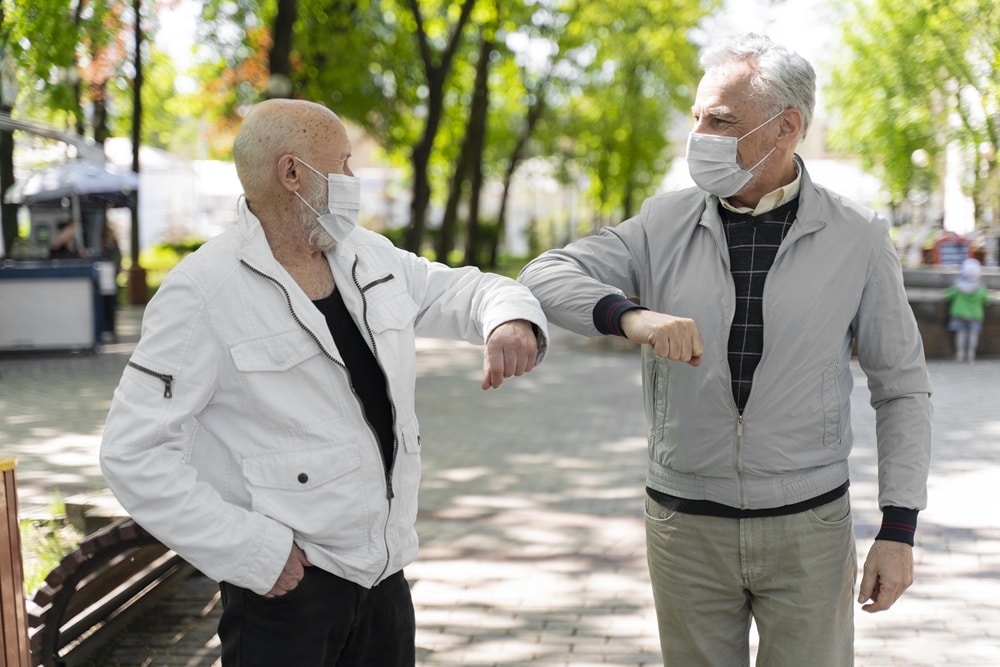
Dealing with Parkinson’s disease is not only physically challenging for the patient, but emotionally distressing for the family, too. Daily functioning, coordination, and movements are all affected by this disease.
Thus, it’s recommended to search for Parkinson’s home care in Northborough for comprehensive in-home care. This blog discusses how Parkinson’s disease’s symptoms are well-managed through home care and how having a professional caregiver helps.
Parkinson’s disease develops when certain nerve cells in the brain gradually lose their ability to produce dopamine, a chemical responsible for coordinating smooth muscle movements. As dopamine levels decline, movement becomes slower, less controlled, and more rigid.
The condition progresses over time. There are subtle changes at the early stage, but later stages affect speech, balance, and cognitive functions. Because progression varies from person to person, careful monitoring is essential.
Recognizing Parkinson’s disease symptoms early helps families seek appropriate medical guidance and supportive care.
Some early signs of the disease include:
These symptoms are typically misunderstood as normal aging. But a clear diagnosis is essential when these symptoms become common and persistent.
Parkinson’s symptoms in seniors can present differently than in younger adults. Because many older adults already experience reduced mobility, early warning signs are often overlooked.
In seniors, Parkinson’s may show through:
While these might seem normal for seniors, it is recommended to consult a doctor and engage home care in Northborough before the situation gets out of hand.
Parkinson’s disease affects more than movement. Non-motor symptoms are sometimes the earliest indicators.
These may include:
As these symptoms are unrelated to movement, they are often overlooked. It is advised to monitor symptoms, and if anything seems amiss or persists, consult a doctor so that timely home care can be arranged.
Unfortunately, Parkinson’s disease cannot be cured, but the symptoms can be managed, and timely medication can slow the progress. Certain lifestyle practices support brain health and reduce risk factors.
Preventive strategies include:
Regular Physical Activity: Exercise is crucial for all age groups. It supports coordination, muscle strength, and balance. Regular walking, stretching, and light resistance training help maintain mobility.
Cognitive Engagement: Reading, problem-solving activities, and structured mental exercises support brain resilience.
Balanced Nutrition: You become what you eat. So, have a balanced diet. Include fruits, vegetables, and lean proteins in the diet to support overall health and neurological function.
Fall Prevention Measures: Since Parkinson’s increases fall risk, proactively adapting the home environment reduces complications.
While prevention doesn’t eliminate risk, it helps maintain overall health and slower the progression.
Here are some proven strategies that help seniors after a Parkinson’s diagnosis:
As the disease progresses, daily activities become difficult due to reduced mobility. Caregivers trained to manage symptoms ensure seniors are supported in their homes, where familiarity reduces confusion and stress.
Home-based support includes:
At-home care improves emotional comfort and preserves independence longer than sudden environmental changes.
Practical modifications are required around the house to help seniors navigate it as mobility declines. Here are some tips to create a safer home:
These changes help seniors navigate their environment more safely and confidently.
Living with Parkinson’s disease is emotionally challenging. Knowing that the body is slowly stopping to function smoothly is a draining experience, and seniors need as much emotional support and stability as they can have.
Consistent encouragement, structured routines, and patient communication are critical. Emotional support is just as important as physical assistance. Maintaining dignity and autonomy should remain central to all care planning. And that’s what caregivers offer.
Parkinson’s disease presents both emotional and physical challenges. Seniors require consistent emotional and physical support, which family members often fail to provide due to other responsibilities. Thus, Parkinson’s home care in Northborough becomes crucial.
Caregivers offer at-home care that reduces confusion and frustration, and allows seniors to continue living in their familiar surroundings.
For comprehensive home care, contact ComForcare Home Care. Whether it’s 24/7 home care or Parkinson’s home care in Northborough, we provide it all.

Each office is independently owned and operated and is an equal opportunity employer.

© 2026 ComForCare Franchise Systems, LLC.