
Get Started!

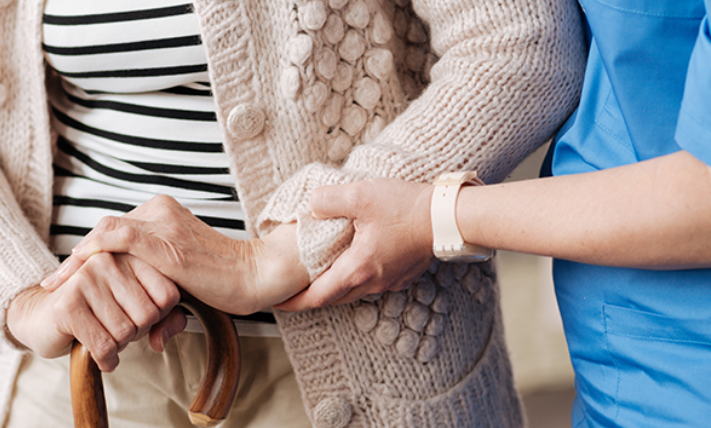
Many families do not notice a problem all at once. Instead, the changes are gradual: unopened mail on the counter, missed medications, fewer trips out, or a once-organized parent seeming overwhelmed by simple tasks. These can all be early clues of senior independence at risk, especially when an older adult is trying hard to maintain normal routines.
In Raleigh, NC, aging at home is often the goal. Seniors want to stay close to familiar neighbors, favorite grocery stores, church communities, and the places that make daily life meaningful. Families want that too. But staying at home safely sometimes requires extra support before a health scare or emergency forces a decision. Recognizing the signs early can help preserve dignity, confidence, and quality of life.
One of the earliest signs that an older adult may need help is a change in everyday habits. Meals may become less balanced, laundry may pile up, and personal grooming may not feel as important as it once did. In many Raleigh households, family members first notice these shifts during a weekend visit or after stopping by to help with errands.
Pay attention to things like expired food in the refrigerator, missed appointments, trouble managing bills, or confusion about what day it is. These changes do not always mean a major health event has occurred, but they can signal that living alone is becoming more difficult. For seniors in Raleigh, NC, getting support early can make it easier to stay in the home they love rather than waiting until a crisis limits options.
Mobility concerns can also appear subtly. A senior may stop going to the farmer’s market, avoid favorite community events, or hesitate to drive on busy roads like Capital Boulevard or I-440. They may use furniture for balance, struggle with stairs, or move more slowly when getting in and out of the car. In neighborhoods across North Raleigh and greater Wake County, these are often signs that daily life is taking more effort than before.
Even when a loved one insists they are “fine,” reduced activity can lead to isolation. Missing social time, exercise, and regular outings can affect both physical and emotional well-being. Compassionate support can help seniors remain engaged in the Raleigh community while still feeling in control of their day.
Raleigh offers so much for older adults, but day-to-day life can still become challenging. Many homes have stairs, large yards, or layouts that are harder to manage after a fall, surgery, or change in strength. Running errands may require longer drives, navigating traffic, or keeping up with multiple appointments at places like WakeMed, UNC Rex, or local specialists across the area.
Families in Raleigh often balance careers, children, and caregiving responsibilities at the same time. That can make it hard to check in as often as they would like. If a parent is missing meals, forgetting to take medication, or struggling with housekeeping, those issues can escalate quickly without consistent help.
Memory changes can add another layer of concern. Forgetfulness, repeated questions, wandering, or confusion about familiar surroundings may point to a need for more specialized support. When memory loss affects safety, families may benefit from learning more about personalized dementia care designed to support comfort, routine, and meaningful connection at home.
It is not always easy to talk with a parent or spouse about accepting help. Many older adults worry that support means losing freedom. A better approach is to focus on what matters most to them: staying in their own home, keeping familiar routines, and continuing the activities they enjoy around Raleigh.
Use specific observations instead of broad statements. For example, mention that you noticed the mail was unopened, groceries were low, or driving has become stressful after dark. These conversations tend to go better when they are rooted in care, not criticism. The goal is not to take over. It is to put the right support in place so independence can continue safely.
The best support is flexible and centered around the individual. Some seniors only need help a few hours a week with meals, transportation, companionship, or light housekeeping. Others benefit from more consistent in-home care that includes personal care, medication reminders, and safety monitoring. Personalized care respects each person’s preferences, abilities, and routines while reducing stress for family caregivers.
For families searching for answers, early guidance can make all the difference. If you are noticing changes in a loved one and want a compassionate next step, connect with Raleigh to learn how personalized support can help seniors in Raleigh, NC stay safe, comfortable, and engaged at home.

Each office is independently owned and operated and is an equal opportunity employer.

© 2026 ComForCare Franchise Systems, LLC.