
Get Started!


Falls are a common concern for older adults, but fall prevention at home is not a one-size-fits-all process. A recent Cochrane systematic review suggests that prevention strategies may be more useful when they consider a person’s individual risks, needs, routines and goals.
For families, this means that preventing falls is about more than removing a loose rug or adding a grab bar. A good fall prevention plan considers the whole person and how they move through their home and daily life.
Cochrane published an updated systematic review on September 21, 2026, examining interventions intended to reduce falls among older people living in the community. The review included 62 randomized trials involving 19,935 participants.
Researchers looked at two broad approaches to fall prevention for older adults.
Multifactorial programs assess an individual’s fall risks and select interventions based on those risks. Multiple-component programs provide the same combination of interventions to everyone.
Interventions included:
Some analyses suggested a lower rate of falls, while other outcomes showed little difference or remained uncertain. The researchers also noted limitations in the underlying studies, including risk of bias and substantial variation between trials.
The important takeaway is that there is no guaranteed recipe for preventing falls. Fall prevention works best when strategies are appropriate for the individual.

Research about falls can sometimes be difficult to interpret because studies measure different outcomes.
The rate of falls refers to the total number of falls over a period of time. The risk of falling refers to how many people experienced at least one fall.
An intervention may affect one measure without clearly changing the other.
This distinction matters when families read about home fall prevention strategies. A headline may sound definitive, while the complete research shows that results can vary and that the certainty of evidence may be limited.
The Cochrane review found that multifactorial interventions may reduce the rate of falls compared with usual care. However, they may have little or no effect on the number of people who experience at least one fall.
That is one reason families should look beyond headlines and consider what an intervention actually does and how strong the supporting evidence is.
Fall risk can involve many different factors, including:
Two people of the same age may have very different fall risks.
One person may benefit from an evaluation of medications. Another may need support with strength and balance activities. Someone else may need changes to the home environment or assistance with everyday routines.
A useful conversation begins with the individual:
What activities are important to this person? Has anything recently changed? Are they avoiding a favorite activity because they are afraid of falling? Have dizziness, weakness, pain, or near falls started recently?
These questions can help families identify changes that should be discussed with an appropriate healthcare professional.
Sudden symptoms, a head injury, severe pain, or an inability to get up after a fall may require urgent medical attention. Families should follow emergency guidance and contact an appropriate healthcare professional when needed.
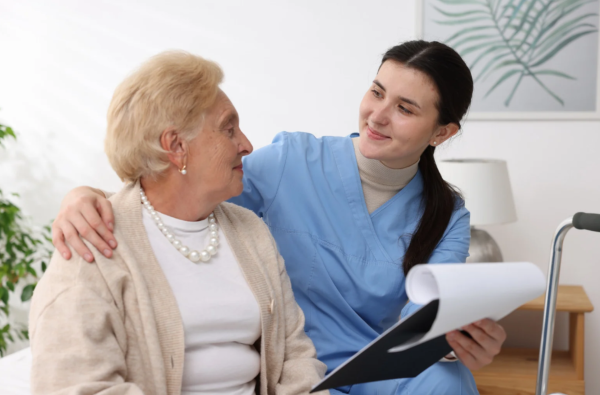
Depending on the individual’s circumstances, a qualified healthcare professional may consider gait and balance, blood pressure changes, vision, feet and footwear, medications, bone health and potential hazards in the home.
The plan should also identify who is responsible for each next step.
Exercise can be an important part of senior fall prevention, but the safest type and level of activity depend on the individual. Medication changes should be made by the appropriate prescriber or pharmacist.
Home modifications should also reflect the person’s daily routine. An occupational therapist or another qualified professional may be able to help assess how the person uses their home and identify appropriate changes.
Most importantly, the plan should make sense for the person.
A fall prevention strategy that feels overwhelming or disconnected from everyday life may be difficult to follow. Connecting recommended activities with meaningful routines can make them more practical and relevant.
Family caregivers can help identify patterns without trying to diagnose the cause of a fall.
Consider keeping track of:
These observations can be shared with the person’s healthcare team.
At home, families can also help keep commonly used pathways clear and maintain consistent lighting. Frequently used items should be placed within comfortable reach.
However, major changes to a familiar environment should be approached thoughtfully. For someone experiencing memory or vision changes, familiarity can be important for safely navigating the home.

Home care can be part of a broader fall prevention plan by supporting safe, consistent routines and helping families notice changes.
Within an established care plan, a caregiver may assist with everyday activities, reinforce routines recommended by the care team and communicate relevant observations.
For example, a caregiver may notice that an older adult is having more difficulty getting up from a chair, walking to the kitchen, or completing a familiar activity. Sharing those observations with the appropriate family member or healthcare professional can help the care team determine whether further assessment is needed.
Caregiver professionals should not promise that a person will never fall. The goal is to support safety, independence, confidence and quality of life while following the person’s approved care plan.
At ComForCare Home Care North San Diego, caregivers can support everyday routines and communicate relevant observations as part of an approved care plan.
For families considering home care, the conversation can begin with simple questions:
What support would make daily life safer?
Are there activities that are important to the person?
Have caregivers noticed any changes?
The answers can help families and care professionals create support that fits the individual’s needs and preferences.
Internal verification is recommended before publishing specific program or training claims. Matter of Balance expertise should only be referenced after internal confirmation and should never be presented as a guarantee that falls will be prevented.
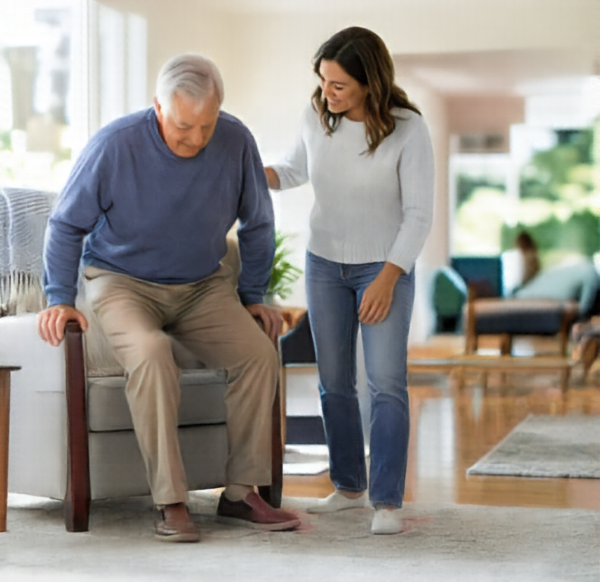
The practical lesson from the Cochrane review is not that every older adult needs the same fall prevention products or services.
Instead, fall prevention at home is often a coordinated, person-specific process.
Understanding an individual’s risks, working with qualified healthcare professionals, supporting safe routines and adjusting the plan as circumstances change can help families take a thoughtful approach to safety at home.
For family caregivers, asking for support does not mean giving up independence. It can be one way to help an older adult continue doing the things that matter most to them.
Every family’s situation is different. If you’re wondering whether in-home care could complement an older adult’s existing care plan or make everyday routines easier, ComForCare Home Care North San Diego is happy to have a conversation.
There’s no need to have all the answers before reaching out. A simple conversation can be a helpful first step toward understanding what kind of support may fit your loved one’s needs and preferences.
Call ComForCare Today: 858-247-1005
The practical lesson from the Cochrane review is not that families need more products. It is that prevention works best as a coordinated, person-specific process with realistic expectations.
Medical information disclaimer: This article is for general education and does not replace individualized medical advice. Consult a qualified healthcare professional about fall risk, symptoms, exercise, or medication questions.
Sources

Each office is independently owned and operated and is an equal opportunity employer.

© 2026 ComForCare Franchise Systems, LLC.