
Get Started!


New Alzheimer’s research is giving scientists a more detailed look at what happens inside the brain, but families should understand what this research does and does not mean for care today.
On September 23, 2026, the National Institutes of Health announced a large collection of studies from the PsychAD consortium. The research examines molecular and cellular patterns across Alzheimer’s disease, related dementias, Parkinson’s disease and several psychiatric disorders.
One centerpiece is a new single-cell atlas of the dorsolateral prefrontal cortex, a brain region involved in memory, decision-making and other complex functions. Researchers analyzed more than 6.3 million nuclei from donated brain tissue from 1,494 people. The data include people with Alzheimer’s disease, Parkinson’s disease, Lewy body disease, vascular dementia, schizophrenia, bipolar disorder and neurotypical controls.
The research appears across nine papers in Nature and related journals. Researchers have also made data and methods available to other scientists, creating a resource that can support future studies.
Alzheimer’s disease and related dementias can involve more than memory loss. Some people experience changes in mood, sleep, communication, behavior, or perception. Symptoms may include agitation, depression, irritability, sleep disturbance, psychosis, or aggression.
These changes can affect quality of life and may be challenging for individuals and families to understand and manage.
By comparing different conditions at the cellular and molecular level, researchers can look for biological patterns that are shared across disorders and patterns that appear more specific to a particular disease.
The PsychAD research may also help scientists study questions related to cognitive decline, disease progression, resilience and neuropsychiatric symptoms. Over time, this type of research could help identify potential research targets or improve how scientists classify and understand brain diseases.
But “may” and “future” are important words.
A molecular pattern found in donated brain tissue does not automatically become a diagnostic test, medication, or treatment.

The PsychAD brain maps are not a home screening tool for Alzheimer’s disease.
These brain maps cannot diagnose an individual with Alzheimer’s disease or another form of dementia. The findings also do not establish a new cure, medication, or prevention program. For now, families should not change an existing care or treatment plan based solely on this research announcement.
Families should be cautious about products or services that use new research to promise immediate diagnostic or treatment results that the research itself has not established.
Scientific discoveries usually move through several stages. Researchers may first identify a pattern, then test whether the finding can be replicated, investigate how it works and eventually study whether an intervention based on the finding is safe and effective.
Each stage can add information or change how an earlier finding is understood.
The size and openness of the PsychAD resource make it valuable for researchers, but they do not eliminate the need for replication, additional studies and clinical research.
Families do not need to translate molecular brain research into day-to-day care decisions.
Instead, focus on the changes you can observe and the support the person needs.
If someone develops new or worsening changes in memory, mood, sleep, communication, movement, or behavior, keep track of what changed and when. Share those observations with a qualified healthcare professional.
A sudden change in confusion, behavior, or functioning can have causes other than dementia and may require prompt medical evaluation.
For someone living with dementia, everyday support can also focus on comfort, familiarity and choice.
Helpful approaches may include:
Caregivers should also talk about how changes are affecting their own wellbeing. Sleep disruption, stress, exhaustion and safety concerns are important parts of care planning.

Research literacy can help families separate meaningful scientific progress from headlines that may overstate what a study has found.
When reading about a new dementia study, consider asking:
For PsychAD, the research uses human brain tissue and sophisticated cellular and molecular analysis. The result is an important research resource and a more detailed map of the brain.
It is not a new diagnostic test for families to use today.
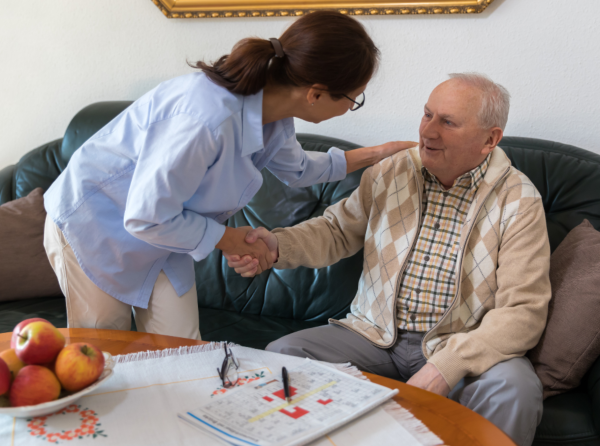
A diagnosis or research label never tells the whole story of who a person is.
Relationships, communication style, culture, personal history, preferences, familiar routines and meaningful activities continue to matter throughout the course of dementia.
Person-centered care means looking beyond a diagnosis and asking: What does this person need today, and what helps them feel safe, respected and supported?
For families who need additional help at home, non-medical home care can provide assistance with established routines, personal care, companionship, meals, light household tasks and other daily activities, depending on the individual’s needs and care plan.
ComForCare Home Care North San Diego provides in-home support designed to help individuals and families maintain daily routines and remain supported at home. Home care does not replace medical diagnosis, treatment, or emergency evaluation.
The PsychAD brain maps represent an important step in understanding the complex biology of Alzheimer’s disease, related dementias, Parkinson’s disease and other conditions.
For families, however, the message is simple: this is progress in research, not a new test.
Families can welcome discoveries like these while keeping today’s care grounded in the person’s needs, preferences, safety and guidance from qualified healthcare professionals.
And when caregiving feels overwhelming, remember that family caregivers give so much. You don’t have to do it alone.
Call ComForCare to see how we can help: 858-247-1005
Medical information disclaimer: This article is for general education and does not provide diagnosis or treatment. Discuss new or worsening changes in memory, mood, behavior, sleep, communication, or movement with a qualified healthcare professional.
Sources

Each office is independently owned and operated and is an equal opportunity employer.

© 2026 ComForCare Franchise Systems, LLC.