
Get Started!

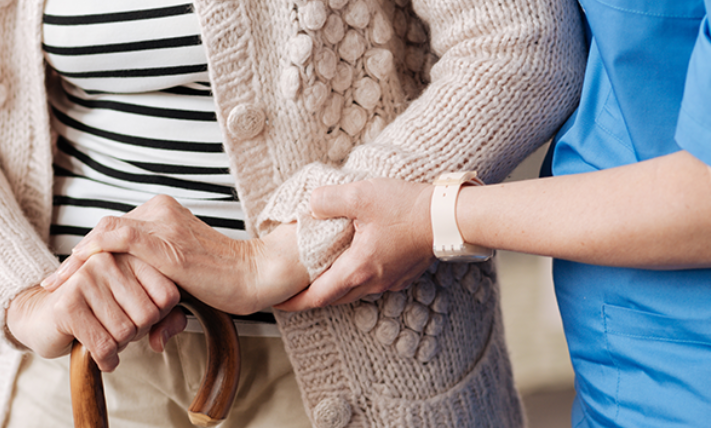
Many families do not notice a shift all at once. Instead, the change happens gradually: unopened mail on the kitchen table, a missed appointment, a few bruises explained away as “nothing.” It is often during these moments that people begin searching for answers about senior independence at risk. In Grand Rapids, MI, where many older adults want to continue enjoying the comfort of home and familiar routines, recognizing those early signs can make a meaningful difference.
Whether your loved one lives near downtown Grand Rapids, in East Grand Rapids, or elsewhere in Kent County, the goal is not to take away choice. It is to protect dignity, preserve daily independence, and offer the right level of support at the right time. With compassionate planning and personalized care, seniors can often continue living safely and confidently in the place they know best.
One of the first indicators that an older adult may need more support is a change in everyday habits. You might notice laundry piling up, expired food in the refrigerator, or a home that seems less tidy than usual. Medications may be skipped or taken at the wrong times. Bills may go unpaid. These signs do not always point to a major crisis, but they can suggest that tasks once handled easily are becoming more difficult.
For seniors in Grand Rapids, MI, these challenges may be especially noticeable after a hospital stay, during recovery from illness, or after the loss of a spouse who used to help manage the household. A little help with meal preparation, reminders, companionship, or transportation can go a long way in helping someone remain comfortable at home.
Changes in balance, strength, or reaction time can affect safety inside and outside the home. In the Grand Rapids area, where snow, ice, and freezing rain are a reality for much of the year, even a short walk to the mailbox or a trip to the grocery store can become risky. If a loved one has started avoiding stairs, holding onto furniture while walking, or limiting outings because driving feels stressful, those are important signals to pay attention to.
Families often tell themselves these issues are just a normal part of aging. While some change is expected, frequent near-falls, increasing fear of movement, or unexplained injuries deserve a closer look. Early support can reduce the chance of a serious fall and help seniors stay active in safer, more manageable ways.
Grand Rapids has many beautiful, established neighborhoods with homes full of character. For older adults, however, some of those charming features can also create obstacles. Narrow stairways, poor lighting, throw rugs, high bathtubs, and uneven outdoor walkways may all add to the risk of injury. In winter, icy porches and slippery driveways can make leaving the home feel overwhelming.
A home safety review can uncover simple updates that support independence, such as grab bars, better lighting, decluttering pathways, and rearranging daily essentials to reduce bending or reaching. These practical steps help seniors maintain control of their routines while making the home more supportive of aging in place.
Not every concern is easy to see. Sometimes the biggest change is social withdrawal. A senior who once enjoyed church, neighborhood events, or regular lunches with friends may begin staying home more often. In a city like Grand Rapids, where community connection matters, reduced social engagement can affect mood, motivation, memory, and overall well-being.
Loneliness may also make it harder for family members to spot subtle changes. If your loved one lives alone and seems less interested in phone calls, hobbies, or outings, it may be time to explore companionship and structured support. Staying connected is an important part of maintaining quality of life.
If you are concerned, begin by asking open, respectful questions. Focus on what your loved one wants most, whether that is staying in their own home, keeping up with favorite activities, or feeling less stressed day to day. A supportive conversation can help everyone move away from fear and toward a plan that honors the senior’s preferences.
It also helps to involve trusted professionals when needed. A physician can assess health changes, while a care team can help identify practical ways to support daily life. The earlier these conversations happen, the more options families typically have.
For many older adults in Grand Rapids, MI, the best next step is not a move, but a personalized plan for help at home. Services like companionship, transportation, meal support, personal care, and medication reminders can strengthen confidence while preserving familiar routines. Learn more about available in-home care options that can be tailored to a senior’s unique needs and preferences.
If memory changes are part of the picture, specialized support matters. Families looking for reassuring, evidence-based dementia care can benefit from caregivers trained to promote calm, connection, and meaningful engagement. At ComForCare, our DementiaWise® approach and Caregiver First™ philosophy reflect our commitment to care like family while helping seniors experience comfort, dignity, and greater peace of mind at home.
If you are beginning to notice changes in a parent, spouse, or other loved one, now is a good time to learn more. Connect with our Grand Rapids team to talk through your concerns, explore local care options, and find supportive solutions that help seniors continue living life on their terms.

Each office is independently owned and operated and is an equal opportunity employer.

© 2026 ComForCare Franchise Systems, LLC.