
We Provide Home Care in  

Central San Diego & La Jolla, CA
Get Started!

How to Support a Senior After a Hospital Stay: A Family Checklist

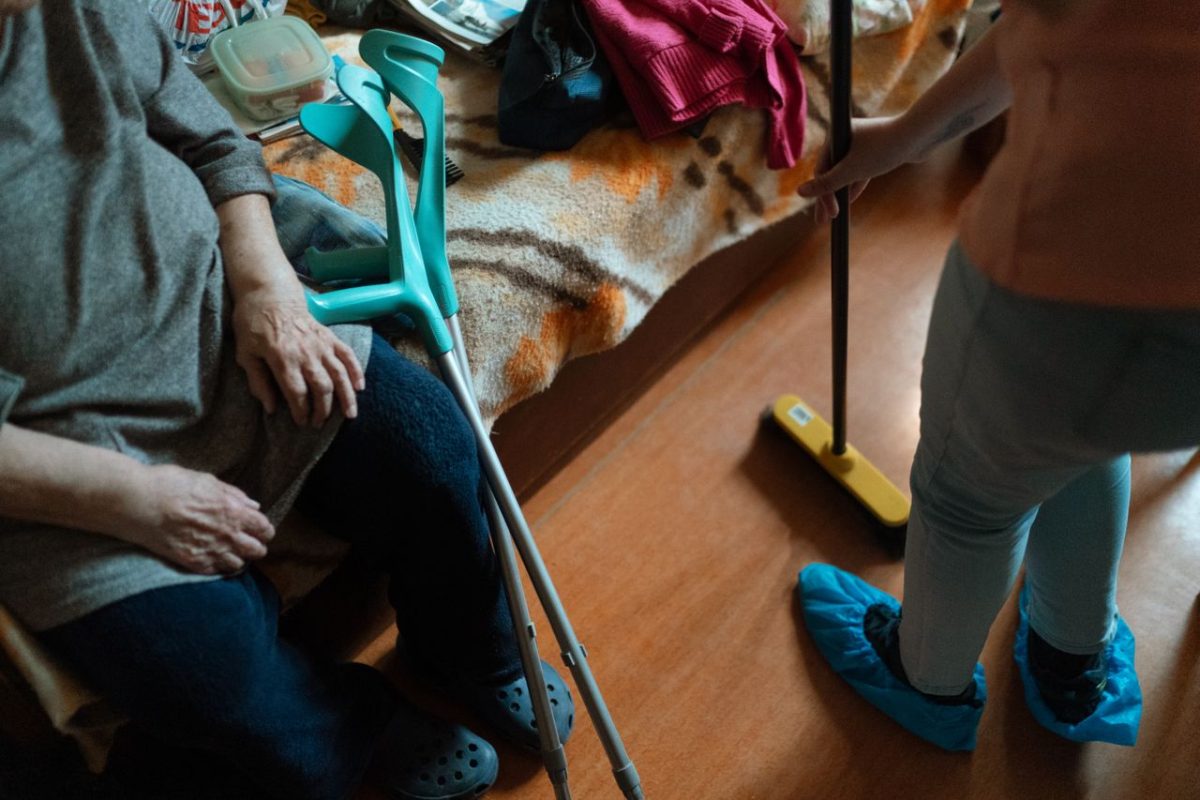
Helping a senior recover at home after a hospital stay

Bringing a senior home after a hospital stay can feel overwhelming. Suddenly, you are juggling medications, follow up appointments, meals, mobility, and all the little things that were easier to manage when your loved one was in the hospital. If you are wondering how to support a senior after a hospital stay, you are not alone. I have seen how much of a difference a little preparation and the right support can make during those first days at home.

I work with families who want their loved ones to recover safely and comfortably at home. In this guide, I’ll walk you through a practical checklist for getting the home ready, staying on top of medications and appointments, watching for changes, and knowing when it may be time to ask for extra help.

Why the first two weeks matter most

Coming home is not the finish line. It is the start of what professionals call the care transition, which just means the handoff from hospital care to care at home. This is where small things slip through the cracks. A pill gets skipped. A follow up appointment never gets booked. A rug that has been fine for twenty years suddenly becomes a trip hazard. A readmission is a return to the hospital soon after leaving, and it often traces back to gaps like these rather than anything dramatic.

The good news is that a little planning closes most of those gaps.

Before they leave the hospital

Do this the day before discharge if you can. Nurses are far more available than they are at the last minute.

  • Ask for the discharge summary. This is the written report of what happened during the stay and what comes next. Keep a copy somewhere you can find it at 2 a.m.
  • Get a real contact. A name and a direct number beat the main hospital line every time.
  • Go over the medication list. Ask what is new, what stopped, and what stays the same.
  • Book follow up appointments right away. Openings disappear fast.
  • Ask about equipment. Walkers, shower chairs, and raised toilet seats are called durable medical equipment. Ask which ones are recommended and how to get them.

Getting the house ready

My favorite trick is to walk through the home pretending I have a sore knee and a tired brain. You will spot things you stopped noticing years ago.

  • Clear walkways of cords, clutter, and loose rugs
  • Add night lights between the bedroom and bathroom
  • Move everyday items to waist height so nobody has to stretch or stoop
  • Make sure the bathroom has grab bars or something sturdy to hold
  • Stock the kitchen with easy, nourishing food
  • Set up a comfy resting spot close to the bathroom

Many homes in Mission Hills, Kensington, and University Heights have gorgeous character and equally gorgeous staircases. Charming, yes. Recovery friendly, not always. Give those spots extra attention.

Medications without the meltdown

Medication mix ups are the number one worry I hear about, and they are also among the most preventable. Ask the pharmacist for a medication reconciliation. That is a fancy phrase for comparing the old medication list with the new one so nothing doubles up or goes missing.

Then keep it simple:

  • Use a weekly pill organizer
  • Post one written list on the fridge with names, doses, and times
  • Bring that list to every appointment
  • Set phone alarms for dose times

If your loved one lives alone, or you cannot be there at dose time, this is a great place to bring in a helping hand.

Warning signs worth a phone call

You do not need a medical degree to sense that something is off. Trust that gut feeling. Call the doctor if you notice:

  • New confusion or unusual sleepiness
  • Fever, or a wound that looks red or swollen
  • Trouble breathing or new swelling in the legs
  • Refusing food or drink for more than a day
  • A fall, even a small one

If it feels like an emergency, call 911. Do not stand there debating it.

The everyday stuff that adds up

Professionals use the term activities of daily living for basic self care: bathing, dressing, eating, using the bathroom, and moving around safely. After a hospital stay, even these can wipe someone out for a while.

Ask yourself, honestly:

  • Can they shower safely on their own?
  • Are they eating real meals, not just crackers?
  • Can they get to their appointments?
  • Is someone checking in every day?

If you said “not sure” to any of those, that is your answer. Families in La Jolla Shores, Bankers Hill, and North Park often tell me that even a few hours of support each week lets everyone breathe again.

Do not skip the feelings

A hospital stay is scary. Many seniors come home shaken, a little embarrassed, and frustrated about what they cannot do yet. Some small things go a long way:

  • Let them make choices, even tiny ones, like dinner or the TV channel
  • Keep familiar routines whenever possible
  • Invite a friend over for tea or a short stroll when they are ready
  • Say out loud that healing takes time

Independence and dignity are tied together. Protect both wherever it is safe to do so.

The quick family checklist

Screenshot this one. I won’t tell anyone.

  • Get the discharge summary and a contact name
  • Review and organize all medications
  • Book follow up appointments
  • Arrange needed equipment
  • Make the home safer
  • Stock easy, healthy food
  • Decide who checks in each day
  • Learn the warning signs
  • Line up extra help before you are exhausted

One last thing from me

You do not have to get this perfect. You just have to show up with attention and care, and ask for help when you need it. If you are bringing someone you love home from the hospital, I would be glad to help you make a plan. I will come to your home, look at fall risks, go over medications, and suggest simple safety fixes, so you are not guessing. Call me and we will talk it through. No pressure, just a real conversation.


Hasan Ali
President, ComForCare Home Care San Diego & La Jolla
Serving Central San Diego for 20+ Years | San Diego Regional Center Vendor | Co-Founder, Special Needs Business Coalition of San Diego | Alzheimer’s Association Do What You Love Committee Member. Read more about Hasan.

Considering In-Home Care?

We have your
perfect caregiver.

For care, please fill out the form below.
For employment, please go to careers.
*Indicates Required Field

ComForCare is committed to protecting and respecting your privacy.

I agree to receive other communications from ComForCare.

For details on data handling, please visit our Franchisee Privacy Policy here. Message and data rates may apply. The frequency of messages varies. Reply HELP for assistance or STOP to unsubscribe.

or call (858) 270-1700.

Services vary by location. Please contact us to see what services are available in your area.

Each office is independently owned and operated and is an equal opportunity employer.

ComForCare Home Care (Central San Diego & La Jolla, CA)
Operated By: 
Hasan Ali
Office Phone:  
(858) 270-1700
Fax Number: (858) 270-1717
License: 374700406
9619 Chesapeake Dr, Suite 200
San Diego, CA 92123

© 2026 ComForCare Franchise Systems, LLC.

(click the 'x' to close this pop up)
Considering In-Home Care?

We have your
perfect caregiver.

For care, please fill out the form below.
For employment, please go to careers.
*Indicates Required Field

ComForCare is committed to protecting and respecting your privacy.

I agree to receive other communications from ComForCare.

For details on data handling, please visit our Franchisee Privacy Policy here. Message and data rates may apply. The frequency of messages varies. Reply HELP for assistance or STOP to unsubscribe.

or call (858) 270-1700.

Services vary by location. Please contact us to see what services are available in your area.