
Get Started!


Healthy aging is often discussed in terms of exercise, nutrition, medications and medical appointments. Social connection belongs in the conversation too, not as a cure or a requirement to be highly social, but as one dimension of wellbeing, participation and quality of life.
A study published October 12, 2026, combined information from five major aging cohorts in the United States, England and Europe, Israel, China and Japan. Researchers analyzed data from 39,021 adults age 50 and older. They examined the relationship between social connection and intrinsic capacity, a framework that includes locomotion, cognition, psychological wellbeing, sensory function and vitality.
Adults with higher social-connection scores at the beginning of the study also tended to have somewhat higher overall intrinsic capacity at that time. The associations were most noticeable in the psychological and cognitive domains and were smaller for locomotion.
Two aspects of connection, social participation and being married or partnered, were among the factors most consistently associated with higher overall intrinsic capacity.
However, the findings require an important distinction: the researchers did not find clear evidence that higher social connection at baseline predicted a slower rate of change in intrinsic capacity during follow-up.
In other words, the study found an association, but it does not prove that increasing social activity will prevent cognitive, psychological, or physical decline.
People who already have better health and function may also find it easier to maintain relationships and participate in activities. Income, transportation, neighborhood access, culture, caregiving responsibilities, disability and other factors can influence both social connection and health. Although researchers accounted for several factors, an observational study cannot establish every direction of cause and effect.
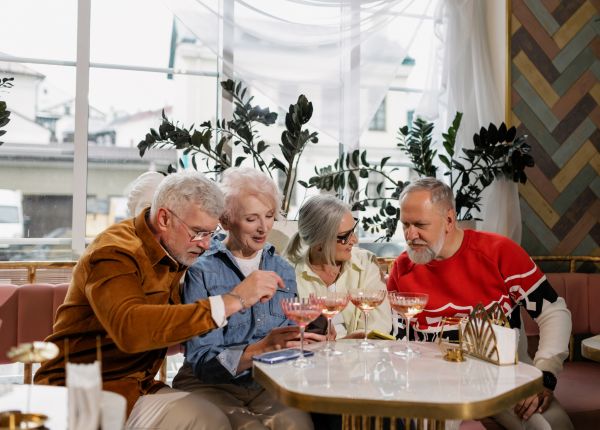
Healthy social connection looks different from person to person.
Some older adults enjoy large gatherings and frequent activities. Others may prefer a regular phone call, a familiar visitor, a faith or cultural gathering, a shared meal, or quiet time with one person.
Someone can live alone and feel well connected. Someone else can live with other people and still experience loneliness.
That is why person-centered care starts with asking what matters to the individual.
Simple questions can help:
The answer may be an invitation to connect, or it may be a preference to decline an activity. Both deserve to be respected.
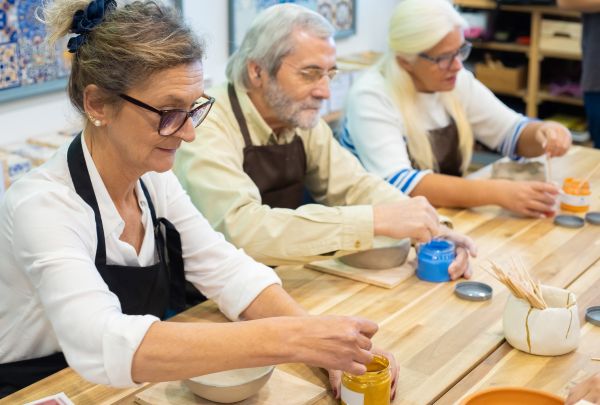
When someone stops participating in activities they once enjoyed, it can be easy to assume they have simply lost interest. Sometimes, however, a practical barrier is making participation more difficult.
For example:
Small adjustments can sometimes make participation more manageable. A quieter location, a shorter visit, an earlier meeting time, accessible transportation, convenient bathroom access, needed mobility equipment, or a familiar companion may help.
Disability and aging can overlap in ways that affect social participation. Accessible communication, mobility support, sensory accommodations and predictable routines can influence whether an invitation becomes meaningful participation.
The goal should not be to decide for someone what their social life should look like.
Instead, ask what support is welcome.
For one person, that might mean assistance getting ready and transportation to a favorite community activity. For another, it might mean having a companion visit at home. Someone else may prefer help setting up a phone or video call.
Supporting independence means helping people participate in ways that reflect their preferences, abilities, routines and goals.
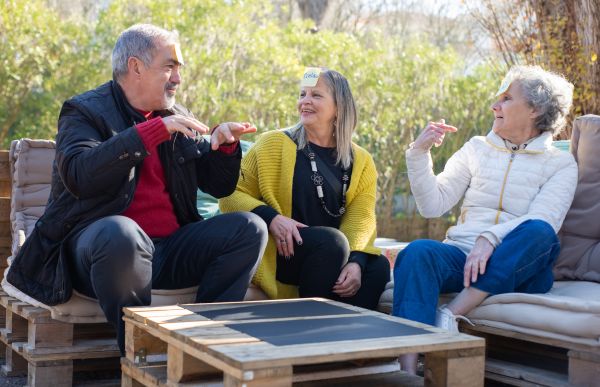
Social connection does not always require a special event or a full calendar. It can be incorporated into ordinary routines.
Consider:
Consistency may be more practical than intensity. A predictable weekly visit may be easier to anticipate and maintain than a schedule filled with unfamiliar activities.
A noticeable or sudden change in social engagement deserves attention.
Withdrawal can have many possible explanations, including grief, depression, anxiety, hearing or vision changes, pain, medication effects, infection, cognitive changes, or another health concern.
Families should share significant or abrupt changes with a qualified healthcare professional. Loneliness and withdrawal deserve compassionate attention rather than blame.
For some older adults, assistance at home can make it easier to maintain everyday routines and continue participating in activities that matter to them.
ComForCare Home Care North San Diego can provide companionship and support with everyday routines when those services align with an individual’s preferences and care plan. Support may include accompanying someone on an outing, helping with routines before a visit, or providing companionship at home.
Home care does not treat depression, cognitive impairment, or medical conditions. It should complement appropriate medical and professional care while supporting the individual’s goals and choices.
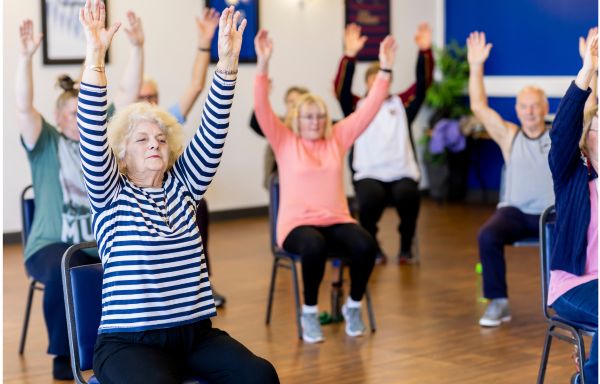
The research does not show that social connection will slow physical or cognitive decline. It does, however, add to a broader understanding of healthy aging.
Healthy aging is not only about test results, medications, or physical function. Choice, relationships, access, participation and a sense of belonging can all be meaningful parts of living well.
For families and caregivers, the goal is not to keep an older adult constantly busy. It is to understand what matters to that person, identify barriers that may be getting in the way and provide support that helps them remain connected in ways that feel meaningful.
If you or a loved one could benefit from companionship or personalized support at home, ComForCare Home Care North San Diego is here to help families explore options that respect individual preferences and routines. Call Today: 858-247-1005

Each office is independently owned and operated and is an equal opportunity employer.

© 2026 ComForCare Franchise Systems, LLC.