
Get Started!

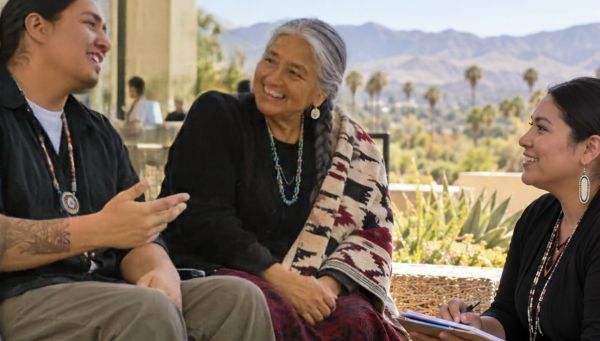
The California Department of Developmental Services (DDS) has opened registration for the 2026 Native American Intellectual and Developmental Disabilities (I/DD) Symposium, taking place October 29–30 at Pala Hotel and Resort in North San Diego County.
The symposium brings together California Native American communities and families, tribal leaders, Regional Centers, service providers, community organizations and state partners. Its theme, “Taking Action to Preserve Culture through Inclusion and Access,” highlights the importance of building services and partnerships that respect culture, community and individual needs.
The event is hosted in collaboration with Acorns to Oak Trees, San Diego Regional Center, and the Pala Band of Mission Indians, making it particularly relevant to organizations and professionals serving people with I/DD throughout San Diego County.
People with intellectual and developmental disabilities experience services within the context of their families, communities, culture, language and personal experiences. Simply having a service available does not always mean that it is easy or comfortable for a family to access.
DDS describes its tribal engagement work as focusing on respectful partnerships, tribal sovereignty, culturally and linguistically responsive services, early intervention outreach and continued dialogue between Native communities and the developmental-services system.
For service providers, culturally responsive support begins with listening and humility. Providers should not assume that the same communication style, outreach strategy, or approach to services will work for every family or community.
Tribal governments, Native-led organizations, individuals and families should have a meaningful voice in decisions that affect their communities.
The symposium emphasizes shared learning, community connection and promising partnerships. Topics and conversations may offer useful ideas around questions such as:
Those interested in attending should refer to the official DDS event information for the latest agenda, registration requirements, accessibility information and updates.
Organizations sharing information about the symposium can also consider how they represent Native communities in their communications.
Stock imagery, generic cultural symbols, or visuals disconnected from the community can unintentionally reinforce stereotypes. More respectful representation can focus on real people, community connection, accessibility, family participation, leadership and inclusion.
Language matters, too. Terms such as “Native American people with intellectual and developmental disabilities” can keep the focus on people rather than defining someone by a disability. At the same time, language preferences vary. Some individuals and communities prefer person-first language, while others prefer identity-first language. When possible, follow the language preferences expressed by the individual or community.
The value of an event like the Native American I/DD Symposium extends beyond the two days of the gathering. What participants learn can help inform everyday practices within organizations and service systems.
For example, providers might review whether their outreach materials are easy to understand, whether intake conversations allow families enough time to share what matters to them and whether staff know how to connect families with appropriate tribal, community, or Regional Center resources.
Organizations can also consider who has a voice in program development. Including lived experience and tribal leadership early in the planning process can help create services that are more responsive to the communities they are intended to support.
For organizations serving people with I/DD, cultural responsiveness is an ongoing process. It involves listening, building relationships, respecting individual and community preferences and recognizing that meaningful support looks different from one person and family to another.
ComForCare Home Care North San Diego welcomes educational opportunities that encourage person-centered, inclusive and culturally respectful support for individuals and families.
Refer to the California Department of Developmental Services for official event information and verify any organizational participation before publishing.
For registration, event details, and updates, visit the California Department of Developmental Services Tribal Engagement webpage.

Each office is independently owned and operated and is an equal opportunity employer.
© 2026 ComForCare Franchise Systems, LLC.