
Get Started!

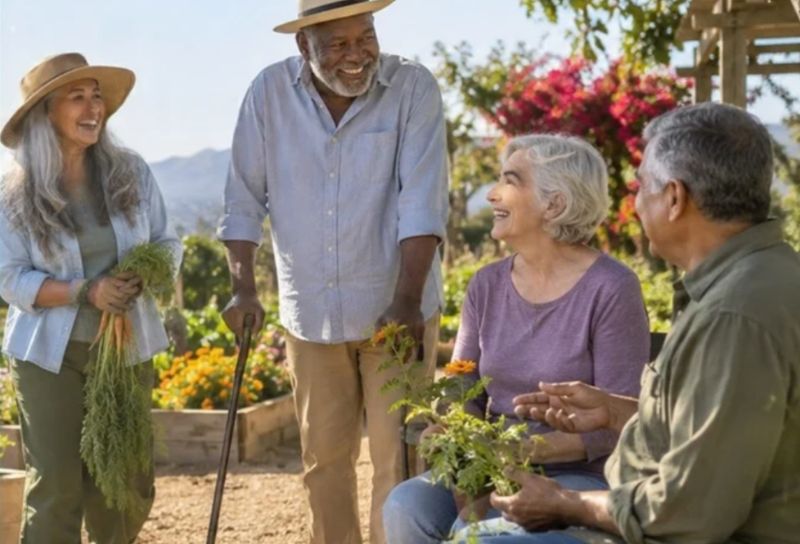
The International Day of Older Persons is observed each year on October 1. The United Nations created the observance to bring attention to the opportunities and challenges of population aging and to promote a society for all ages. For families, care professionals and community organizations, the day offers a useful pause: Are older adults being included in decisions that affect their lives, or are plans being made around them?
Respectful support begins with recognizing that older adults remain experts in their own preferences, histories and routines. A person may need help with transportation, meals, personal care, or household tasks and still want a strong voice in how that help is provided. Independence is not an all-or-nothing status. It can be supported through choice, adaptation and the right amount of assistance.
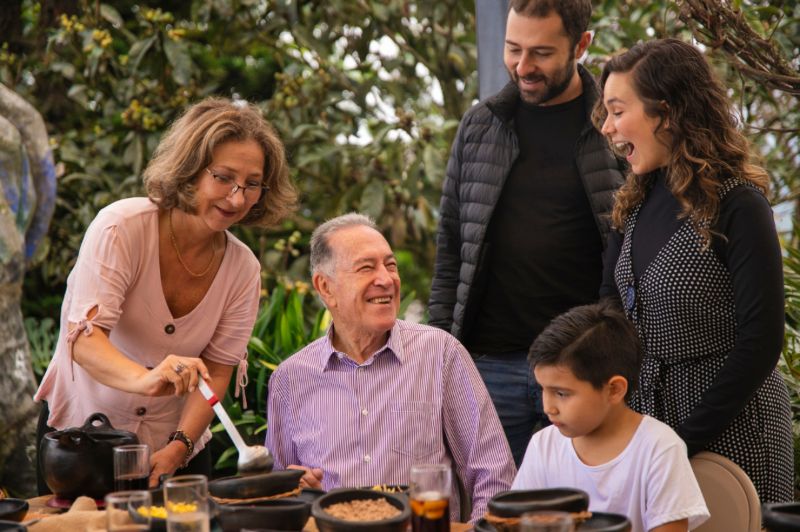
The World Health Organization identifies social isolation and loneliness as important social determinants of health. Its guidance describes approaches such as community groups, befriending, transportation access, digital connection and age-friendly environments. These are not interchangeable solutions. The most useful form of connection is one that fits the person’s interests, culture, mobility, communication style and comfort level.
Families may notice that connection changes after retirement, the death of a spouse, a move, reduced driving, hearing or vision changes, or a new health condition. The answer is rarely to fill every hour. A crowded calendar can be tiring or unwanted. The better starting point is a conversation about which relationships and activities feel meaningful now.
A short, respectful check-in can reveal more than a list of scheduled activities. Ask: What do you look forward to this week? Who would you enjoy seeing or calling? Is there a routine you miss? What would make it easier to take part? These questions leave room for the person to define connection in their own way.
The answers may point to small, practical changes. A morning outing might work better than an evening event. A quieter gathering may be more comfortable than a large group. A ride, mobility support, or help using a phone may remove a barrier. Some people prefer one trusted companion over organized social activities. The goal is participation with dignity, not participation for its own sake.
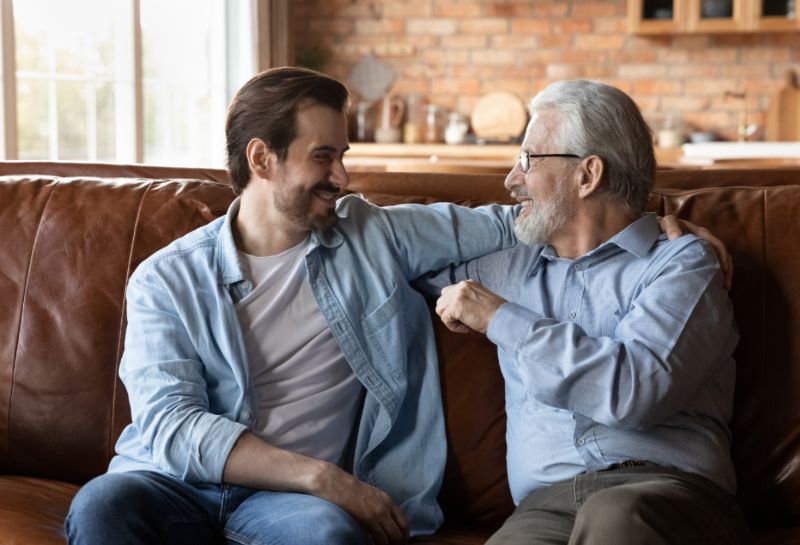
Family members often act from love and urgency, especially when they are concerned about safety or isolation. It helps to offer options rather than issue instructions: “Would you rather call Maria today or visit on Saturday?” Explain the reason for a proposed change, allow time to respond and revisit the conversation when the person is rested. When possible, build on established interests instead of introducing an unfamiliar activity simply because it is available.
Care professionals can also document participation goals alongside task-based needs. A care note might include the person’s preferred music, an important weekly phone call, a garden routine, or the wish to help prepare part of a meal. These details help support continuity and remind everyone that quality of life includes identity, purpose and belonging.
North San Diego County offers many possible points of connection, from libraries and faith communities to senior centers, parks, volunteer groups and neighborhood programs. Accessibility, transportation, cost, language and energy level all matter. Families can start small by choosing one realistic activity and checking afterward: Did it feel enjoyable? Was the timing right? What should be different next time?
ComForCare Home Care North San Diego can support families with non-medical assistance and companionship tailored to an individual’s routines and preferences. The purpose of support is not to replace family or community relationships, but to help make meaningful daily life more manageable. A good plan keeps the older adult’s voice at the center.
Families and referral partners can contact ComForCare Home Care North San Diego to discuss non-medical home support tailored to the person’s routines, preferences and current care plan. Services should complement, not replace, medical care or professional advice.
Call ComForCare Today: 858-247-1005
United Nations and World Health Organization. International Day of Older Persons; Reducing social isolation and loneliness among older people. October 1 annual observance; WHO guidance current as accessed September 22, 2026. Original source

Each office is independently owned and operated and is an equal opportunity employer.
© 2026 ComForCare Franchise Systems, LLC.