
Get Started!

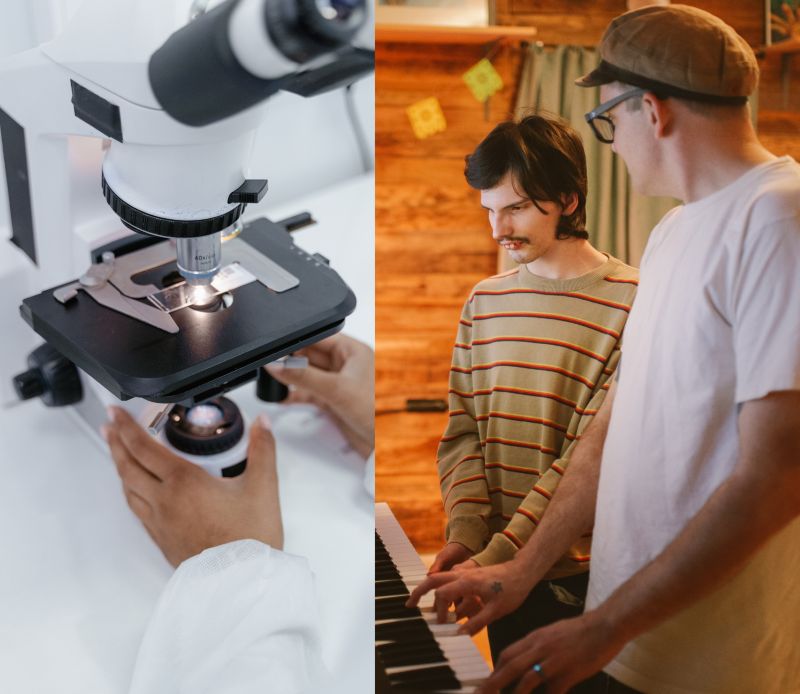
A Longer Window Into Human Brain Development
Human brain development unfolds over many years, making later stages difficult for scientists to study in laboratory models. A Nature study published on August 19, 2026, describes human cortical organoids that continued developing for nearly six years. The National Institutes of Health highlighted the research as a potential step forward in studying neurodevelopment over longer periods.
The scientific achievement is significant. However, its implications for autism and other neurodevelopmental conditions remain preliminary. Keeping those two points together is important: this research represents progress in understanding brain development, but it is not yet a breakthrough in diagnosing, treating, or explaining autism.
What Are Brain Organoids?
Organoids are three-dimensional groups of cells grown in a laboratory. Researchers guide stem cells to develop characteristics of specific tissues. A cortical organoid can reproduce certain cellular and molecular features associated with the cerebral cortex.
However, organoids are simplified research models. They do not contain the full structure of a human brain, sensory experiences, body systems, relationships, or lived experiences of a person.
They are sometimes called “mini-brains,” but that term can exaggerate what they are. A more accurate description is a human brain tissue model.
What Did the New Study Find?
The research team developed conditions that allowed cortical organoids to survive and mature over several years. Researchers examined changes in gene activity, DNA methylation, cellular structure and function at multiple points throughout development.
The organoids showed age-related molecular patterns that generally progressed over time, including features resembling later prenatal and postnatal stages of development.
Researchers also combined neural progenitor cells of different ages. Older progenitor cells produced later-stage cell types without repeating earlier developmental stages, suggesting that cells may retain a form of internal developmental timing.
The model is not a perfect copy of the human brain. Some neuron populations became less represented over time, and laboratory conditions affected cell survival and activity. These limitations are important and demonstrate why additional research and refinement are still needed.
Why This Matters for Neurodevelopment Research
Many organoid studies have focused primarily on early development because existing models have not remained viable for extended periods. A model capable of maturing for years could give researchers a longer window for studying developmental processes that emerge later.
The NIH noted that future research could potentially use these models to investigate conditions such as autism. However, that is a future possibility, not a finding of the current study.
Researchers did not identify a cause of autism, develop a diagnostic test, or discover a treatment.
Autism is also highly diverse and no laboratory model can capture the full range of autistic experiences.
Research Should Reflect the Diversity of Autism
How we communicate about autism research matters.
Autism is a lifelong neurodevelopmental difference, not a single experience with one universal outcome. Some autistic individuals seek support for disabling symptoms or co-occurring health conditions, while many also advocate for acceptance, accessibility, autonomy and respect for autistic identity.
Responsible research communication should leave room for these different perspectives.
Scientific advances can help researchers better understand human development while also recognizing that improving quality of life involves more than laboratory discoveries.
What Support Looks Like Today
Families do not need to wait for future scientific advances to improve daily life.
Support can begin by focusing on the individual’s communication preferences, strengths, goals and needs. Helpful approaches may include reducing unnecessary sensory barriers, providing clear information about changes and supporting both flexibility and personal choice.
For transition-age youth and adults, meaningful goals may include:
Support should be person-centered and adaptable as an individual’s priorities change.
Qualified healthcare professionals can address medical or mental health concerns, while disability-service professionals and official agencies can help families understand available programs and eligibility requirements.
Keeping Hope Connected to Dignity
Long-lived brain organoids may provide scientists with a valuable new tool for studying human brain development.
The most responsible message is not that autism has been “decoded.” Rather, researchers have improved a tool that may help them ask new questions about how the human brain develops over time.
Tomorrow’s scientific discoveries and today’s inclusion are not competing priorities. Progress in research should move alongside respect for autistic people’s autonomy, communication, safety, relationships, access and quality of life.
How ComForCare North San Diego Can Help
ComForCare North San Diego can discuss non-medical home support for individuals and families when those services align with their goals and needs. Person-centered support can help individuals maintain routines, build independence, participate in meaningful activities and remain connected to their communities.
For questions about specific disability programs, funding sources, eligibility requirements, or authorized services, families should always confirm current information directly with the responsible organization.
This article is for general educational purposes and does not provide medical or disability-services advice.
Sources
For practical support with daily routines while living with Autism, connect with ComForCare North San Diego. 858-247-1005

Each office is independently owned and operated and is an equal opportunity employer.

© 2026 ComForCare Franchise Systems, LLC.