
Get Started!

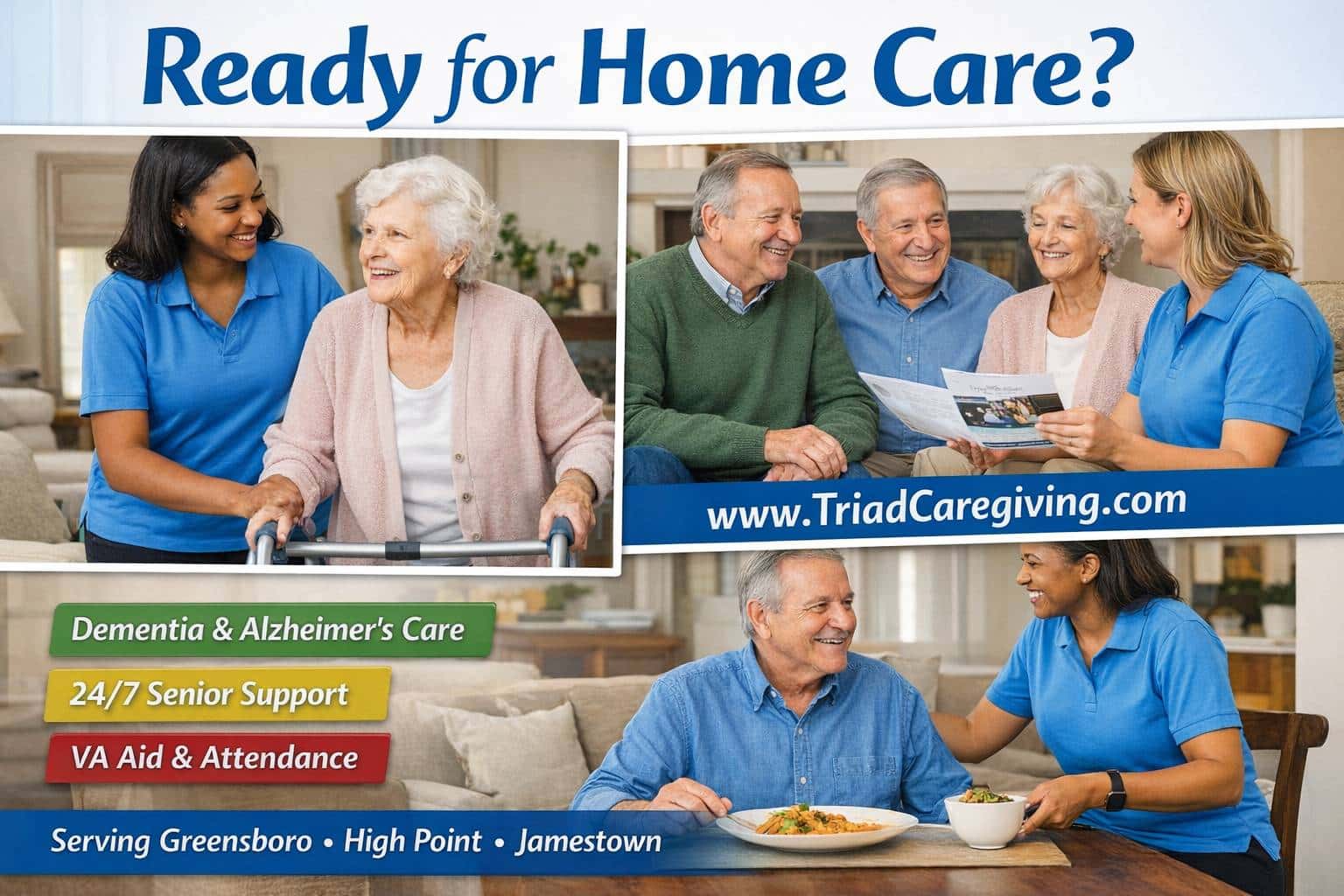
Aging is a beautiful part of life — but it often brings changes that can challenge even the most independent older adults. Families nationwide are juggling care for aging loved ones while trying to maintain balance in their own lives. In fact, a recent survey shows that 63 million Americans are currently family caregivers, and that number has risen sharply over the last decade, increasing both emotional and physical strain on families everywhere.
Home care isn’t about giving up independence; it’s about support, safety, and dignity — and helping older adults remain in the place they love most: home.
Here are seven signs that it might be time to consider home care services for your loved one.
One of the clearest early indicators that home care might help is when a loved one starts struggling with basic daily tasks — things most of us take for granted, like bathing, dressing, preparing meals, and staying clean and well-groomed.
These Activities of Daily Living (often called “ADLs”) are key to independent living. As the National Institute on Aging explains, ADLs include personal care such as bathing, dressing, grooming, eating, and moving around the home.
📌 Example:
Your parent used to shower daily and choose their own outfits easily, but now they skip showers, wear the same clothes several days in a row, or need help fastening buttons or tying shoes. That’s a sign that regular assistance could make a real difference — not just for safety, but for comfort and self-esteem.
Memory loss isn’t just “forgetting where the car keys are.” When the forgetfulness affects safety, routine, or health decisions, it needs attention.
Families often notice things like:
These can be early signs of cognitive changes, including dementia or Alzheimer’s disease. In fact, people living with Alzheimer’s or related dementias often require significantly more support and are at higher risk for hospital visits or injury as their condition progresses.
📌 Example:
Your loved one may leave medication next to the bed unopened for days, or forget to pay bills — and even if they feel physically capable, cognitive challenges like this can seriously affect safety and well-being.
Decreased mobility is one of the most common reasons families seek home care. As people age, muscle strength naturally decreases and mobility issues can become more prominent.
Left unchecked, limited mobility can lead to:
👣 Alarming Stat: Falls are one of the leading causes of injury among older adults — and reducing fall risk is one of the top benefits of having a trained caregiver at home.
📌 Example:
Your mom hesitates on stairs or grips walls for balance, or your dad needs help getting out of a chair. Even a single fall — whether it results in injury or not — is a warning sign worth taking seriously.
A caregiver can help with safe transfers, walking support, and mobility guidance, which not only reduces the likelihood of a fall but also preserves independence.
When daily grooming and personal care drop off, it’s more than a cosmetic concern — it could reflect physical barriers or deeper health issues. Recent reviews of senior care trends show that changes in hygiene often correlate with functional decline.
📌 Example:
Once-meticulous loved ones begin skipping showers, wearing stained or mismatched clothes, or show sudden weight loss (which could reflect skipped meals or poor nutrition). These aren’t just aesthetic issues — they signal that everyday tasks are becoming a burden.
This is the exact type of situation where non-medical home care really shines, offering compassionate support for personal care while preserving dignity.
Personal Care | ComForCare Triad
The condition of a senior’s home often mirrors what’s happening in their daily life. Disorganization, expired food, unpaid bills, and clutter aren’t just housekeeping issues — they can be early indicators that things are becoming more difficult.
Here’s what to watch for:
These changes often reflect a decline in energy, motivation, or capacity for routine tasks.
📌 Example:
Your loved one used to be a stickler for cleanliness. Now, the sink is piled with dishes and laundry is mounting. That’s a strong cue that assistance with household tasks — like light cleaning, meal prep, errands, or organization — could be valuable.
Professional caregivers help ease this burden so your loved one’s home remains a safe and pleasant environment.
Caring for an aging family member isn’t just physically demanding — it’s emotionally draining. According to recent research, the number of family caregivers in the U.S. has grown dramatically, and many are balancing caregiving with jobs, children, and other responsibilities.
📌 Example:
Maybe you’ve skipped social events to help your parent, or your job performance has suffered because you’re juggling appointments and caregiving tasks. Or perhaps you feel like you’re constantly “on call” and never get a break.
That’s burnout — and it’s real.
Home care doesn’t just help your loved one — it gives caregivers a chance to rest, recharge, and reconnect with the person they care about, without the pressure of doing everything themselves.
Safety issues aren’t always obvious until something serious happens. But you don’t have to wait for a crisis — early signs often include:
These can all be precursors to emergencies.
📌 Example:
Your loved one forgets to turn off the stove or is found wandering outside late in the evening. While each incident may seem small taken alone, they’re clear indicators that regular supervision and structured care would improve safety and peace of mind.
Home care provides consistent monitoring and safety planning so small issues don’t become big problems.
Experts estimate that 70% of adults who live past age 65 will develop significant long-term care needs over the course of their life.
That means the choices you make today — like seeking help early — can dramatically affect quality of life, reduce hospital visits, and make it possible for your loved one to remain at home longer.
And while caregiving is often done willingly by families, it’s important to know that needing help is not a failure — it’s a smart strategy to promote safety, health, and independence.
At ComForCare Triad, we focus on compassionate, customized in-home support for older adults throughout Greensboro, High Point, Jamestown and the surrounding Triad communities.
We offer services including:
Help with bathing, grooming, dressing, and mobility
Balanced meals to keep energy up and health strong
Routine help for individuals with memory challenges
Ensuring a safe, tidy, enjoyable home environment
Reducing isolation and improving emotional well-being
Giving families a break while ensuring loved ones are cared for
Support for veterans and their families navigating benefits
VA & Veteran Care | ComForCare Triad
Deciding it’s time for home care can feel overwhelming. But you don’t have to do it alone. The earlier you act, the more you can prevent accidents, reduce stress, and ensure your loved one’s home remains a place of comfort and dignity.
Ready to talk?
We offer free consultations and personalized care assessments to help your family determine the best path forward.
📞 Contact ComForCare Triad – Greensboro / High Point NC
🌐 www.TriadCaregiving.com
📍 3809 W Market St, Greensboro, NC
📞 (336) 617-6001

Each office is independently owned and operated and is an equal opportunity employer.
© 2026 ComForCare Franchise Systems, LLC.