
Get Started!

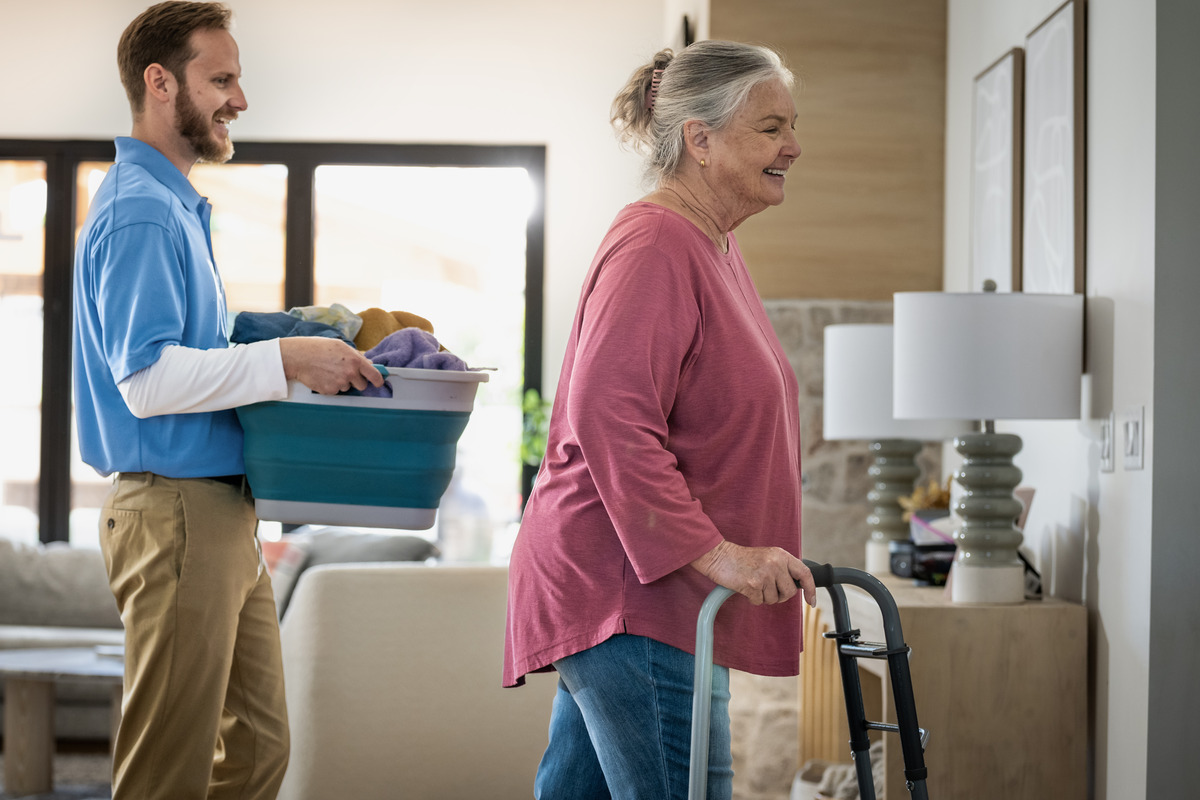
Quick Summary : Stroke recovery home care in Mercer County, NJ, gives seniors non-medical help with daily life after they leave the hospital or rehabilitation. This guide explains what support looks like at home, including personal care, mobility, meals, medication reminders and emotional support, and how caregivers help families share the load.
A stroke can change life suddenly. After hospitalization and rehabilitation, life doesn’t return to normal right away, even after your loved one is back home. Recovery continues long after discharge. A person might need help with mobility, meals, personal care, grooming and other everyday tasks, which can be difficult for family caregivers to manage alone.
That’s why families explore stroke recovery home care in Mercer County, NJ, which provides non-medical support during recovery. In-home caregivers are not healthcare providers, but they can help family members manage caregiving responsibilities in many ways, which this blog explains.
If you or a loved one shows new stroke symptoms, such as sudden weakness, facial drooping or trouble speaking, call 911 right away.
The damage a stroke causes varies. Some people recover faster, while others may take months. Depending on which part of the brain was affected and how severe the stroke was, people experience changes in movement, balance, speech, vision, swallowing, memory or the ability to perform everyday activities.
Discharge from the hospital or rehabilitation facility does not necessarily mean a person has returned to their previous level of independence.
That’s why families need in-home care after a stroke in Princeton, NJ, based on their loved one’s expected needs, to encourage independence and keep them safe during this transition.
Stroke caregiver support in Trenton, NJ can include the following, depending on the individual and their care plan.
A safe home environment is essential, so assess home safety based on your loved one’s health. For example, if they use a wheelchair, consider clearing pathways, reducing clutter and removing tripping hazards. Additional equipment and modifications might be required depending on the person’s condition.
A professional assessment can help you understand how to create a safe home environment for your loved one.
Simple daily tasks such as dressing, bathing, grooming, toileting and moving between rooms can become difficult after a stroke.
Post-stroke care at home in Hamilton, NJ includes help with personal care and daily activities, along with light housekeeping. Trained caregivers understand the challenges and support seniors with what they need. The best part is that they don’t take over. They assist wherever needed so seniors don’t feel uncomfortable, and they have peace of mind knowing they don’t have to manage everything alone. Seniors are encouraged to take part in tasks, rebuild skills and adapt to new abilities.
A stroke can weaken the body. Weakness or paralysis on one side, balance difficulties and coordination changes all affect daily life.
That’s where caregivers step in. They help seniors move safely and reduce hazards around the home, which supports fall prevention. They can also help with daily exercises as recommended by therapists and healthcare providers.
Seniors who live alone often struggle to manage their nutrition after a stroke. Fatigue, dizziness and limited mobility make it hard to shop and cook, which affects their health. Family members who live in other cities can’t help with meals day to day.
Caregivers support nutrition and hydration by following dietary plans, shopping for groceries, preparing meals through programs like Care Kitchen, and assisting at mealtimes if needed. Paralysis can also affect swallowing, which may require equipment or guidance from healthcare professionals.
Establishing consistent daily routines also makes returning home less overwhelming. Regular mealtimes, personal care routines, appointments and rest periods provide structure during recovery.
Stroke survivors often leave the hospital within days, but they still need the right medications to support their recovery. There are often several medication changes after a stroke, which can be hard to track.
Caregivers help by offering timely medication reminders according to the care plan. Decisions about medications and doses stay with the healthcare team. Caregivers can also help seniors get to follow-up appointments and arrange transportation.
They also notice symptom changes and share them with family members and healthcare teams so concerns are raised early.
Recovery is not only physical but also emotional. During recovery, especially after paralysis or extreme weakness, seniors can feel depressed, anxious, frustrated and even confused at times. Changes in speech, mobility or independence also affect confidence and emotional well-being.
Stroke caregiver support provides companionship and encouragement during the adjustment period. Caregivers join seniors in activities, engage in conversation and offer reassurance while respecting their preferences.
Stroke caregiving is demanding, and family members shouldn’t have to manage it alone. With a professional on board, they can balance caregiving with other responsibilities, and respite care gives them a needed break. Caregiving becomes a shared task rather than a burden on one person.
After a stroke, families need to assess the situation, consult with doctors and the healthcare team, and decide what steps will help their loved one during recovery. Beyond managing diet, medications and mobility, it’s important to discuss what other kinds of support may be needed.
That’s when to consider transition of care after a stroke in NJ and explore how caregivers can share the responsibility. Our support also helps reduce hospital readmissions through consistent in-home care after discharge. From meal preparation and medication reminders to transportation to appointments and personal care, caregivers can provide comprehensive support as needed, and 24-hour home care is available when around-the-clock help is required.
Contact ComForCare Home Care Services or call (609) 771-0083 to learn more about our stroke caregiver support services.
It involves coordinating the move from the hospital or rehabilitation facility to home. That means understanding discharge instructions, follow-up appointments and rehabilitation recommendations, and arranging help with daily activities.
It refers to non-medical assistance with bathing, dressing, grooming, mobility, meal preparation, light housekeeping, companionship, transportation and medication reminders, depending on the individual’s care plan.
In-home care is appropriate when a senior needs help with daily activities after a stroke. Services are customized to the individual’s health condition and care plan, and a doctor or rehabilitation team can help families decide when to start.
Families can consult ComForCare Home Care Services for stroke caregiver support in Trenton, NJ, and nearby areas. See the full list of communities we serve.
There is no standard recovery time, but it can take several weeks to months. Families can decide, based on individual circumstances, how long they need caregiver assistance during post-stroke recovery.

Each office is independently owned and operated and is an equal opportunity employer.
© 2026 ComForCare Franchise Systems, LLC.