
Get Started!


Knowing when an older parent or loved one needs additional support can be difficult. The signs your loved one needs help at home are not always obvious. Sometimes, families notice small changes in everyday routines before a larger concern develops.
A loved one may have difficulty preparing meals, keeping up with the house, remembering appointments, or moving safely around the home. Recognizing these changes early can help families explore support options while preserving independence and dignity.
Every person is different, but changes in daily activities can be an important indication that additional help may be beneficial.
Some common signs include:
These changes do not necessarily mean that your loved one can no longer live independently. They may simply mean that some additional assistance could make everyday life easier and safer.
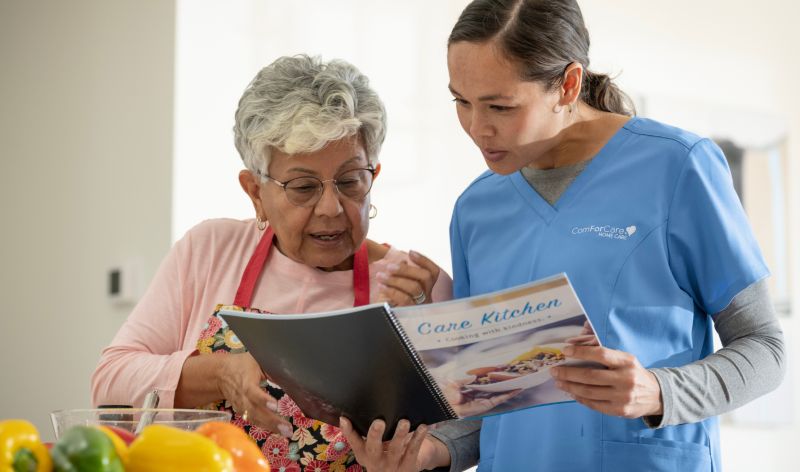
One of the easiest ways to recognize that a loved one may need more support is to notice changes in their normal routine.
Perhaps meals are being skipped, dishes are piling up, laundry is not being done, or personal grooming has become more difficult.
You may also notice that tasks that once seemed simple now take considerably more time or effort.
These small changes can be important. They may indicate that your loved one could benefit from assistance with everyday activities.

Changes in mobility are another important sign.
If your loved one is having difficulty getting up from a chair, walking through the house, using stairs, or getting in and out of the shower, additional support may help reduce everyday safety concerns.
Falls and near-falls should also be taken seriously. The National Institute on Aging recommends paying attention to mobility and home safety when considering whether an older adult may need additional assistance.
Simple changes to the home and appropriate support can sometimes help an older adult remain safer and more comfortable at home.

Preparing meals can become challenging when an older adult has limited mobility, low energy, memory changes, or difficulty shopping and cooking.
Watch for signs such as:
Help with grocery shopping, meal preparation and regular mealtimes can make daily life easier while supporting good nutrition.

Occasional forgetfulness can happen with aging, but noticeable changes in memory or organization deserve attention.
For example, your loved one may begin having difficulty:
If you notice significant or sudden changes in memory or thinking, talk with a qualified healthcare professional. There can be many different reasons for these changes and a healthcare professional can help determine whether further evaluation is appropriate.

The need for additional support is not always physical.
An older adult who lives alone may gradually become less socially active. They may stop attending activities, seeing friends, or participating in hobbies they once enjoyed.
Companionship and meaningful activities can be an important part of supporting quality of life. Regular visits from a trusted caregiver can provide conversation, encouragement and assistance with everyday activities.
Talking about needing help can be uncomfortable. Many older adults worry that accepting assistance means losing their independence.
Instead of focusing on what your loved one can no longer do, focus on what could make daily life easier.
Try asking:
“What would make things a little easier for you right now?”
Starting with a small amount of assistance may also make the transition easier. Your loved one may only need help with meals, errands, housekeeping, companionship, or personal care a few days each week.
As needs change, the amount of support can change too.

Recognizing the signs your loved one needs help at home does not mean taking away their independence. In many cases, the right support can help an older adult continue living safely and comfortably in the home and community they know.
In-home care can provide assistance with everyday needs such as personal care, meal preparation, light housekeeping, companionship, transportation and other nonmedical activities.
For families in San Diego County, planning ahead can make it easier to find the right level of support before a situation becomes a crisis.
A family does not have to wait for a serious fall, hospitalization, or emergency before considering additional support.
If you have noticed several small changes in your loved one’s daily routine, it may be time to start a conversation and explore your options.
The goal is not to take away independence. It is to provide the right support so your loved one can continue living with comfort, dignity and as much independence as possible.
At ComForCare Home Care North San Diego, our caregivers provide personalized in-home support based on each client’s needs, preferences and daily routines. From companionship and meal preparation to personal care and assistance with everyday activities, we are here to support older adults and their families.
If you’re wondering whether your loved one could benefit from additional support at home, contact ComForCare to explore your options.
Call Today: 858-247-1005

Each office is independently owned and operated and is an equal opportunity employer.

© 2026 ComForCare Franchise Systems, LLC.