
Get Started!

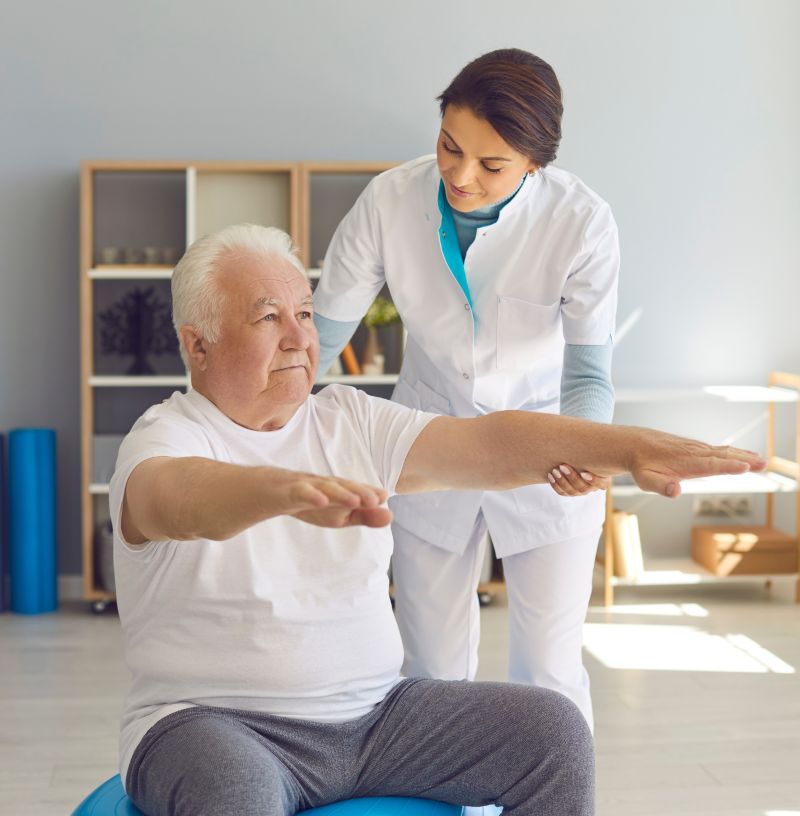
Rehabilitation technology can make movement practice more engaging, measurable and interactive. Screens, sensors, sounds, or other signals can provide real-time information about movement. In Parkinson’s care, these approaches are often described broadly as biofeedback.
A systematic review published in Clinical Rehabilitation on August 25, 2026, examined whether adding biofeedback to lower-limb rehabilitation provides greater benefits than practicing the same activities without biofeedback.
The review included 20 randomized trials involving 814 people with Parkinson’s disease. Overall, the researchers found that biofeedback did not provide additional benefits over practice alone for the outcomes studied.
That finding is important, but it does not mean rehabilitation technology has no place in Parkinson’s care.
The studies included activities such as:
People in the biofeedback groups received additional information about their movement while practicing. Comparison groups completed similar amounts of practice without the added feedback.
Researchers looked at outcomes including balance, mobility and walking speed.
The review found that the differences between biofeedback and practice alone were generally small. The authors concluded that biofeedback did not provide a meaningful overall advantage beyond an equivalent amount of practice.
The quality of evidence varied by outcome, with stronger evidence for balance than for walking speed.
The findings should be interpreted carefully.
The review does not suggest that movement practice or rehabilitation is unimportant. Both groups in the studies participated in practice. The researchers were specifically asking whether adding biofeedback provided an additional benefit.
It also does not mean that every rehabilitation device or technology is ineffective. Biofeedback can involve many different technologies and approaches. A particular tool may still help someone stay engaged, understand movement, or participate more consistently, even if those benefits do not translate into better average clinical outcomes across studies.
The right approach depends on the individual.
Parkinson’s symptoms can vary considerably from person to person. Medication timing, balance, fatigue, cognition, mobility, other health conditions and personal goals can all influence a rehabilitation plan.
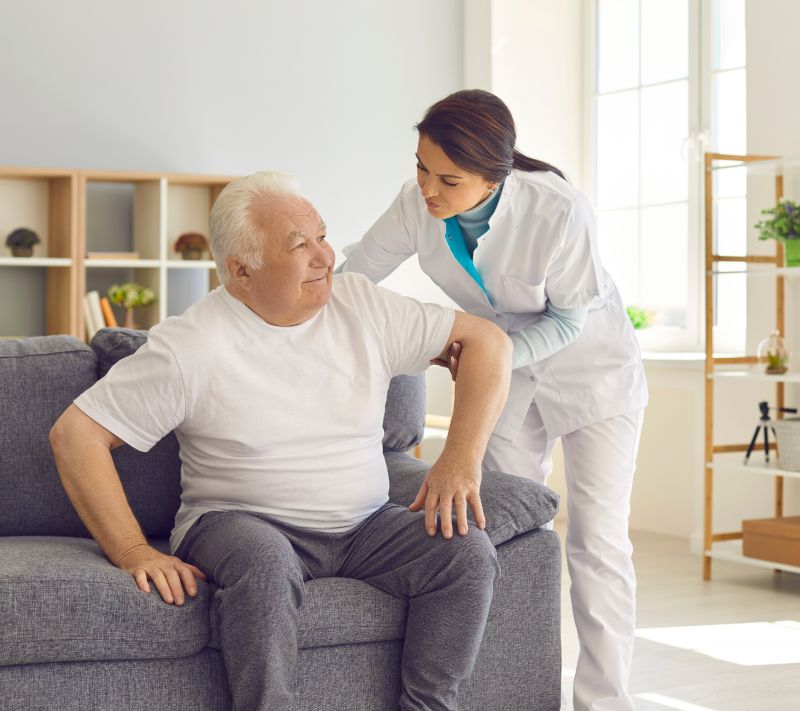
If technology or biofeedback is being considered, families may find it helpful to discuss these questions with the person’s rehabilitation team.
Is the goal to make it easier to stand from a chair, improve walking, practice balance, turn more safely, or complete an important daily activity?
A specific goal makes it easier to determine whether an intervention is helping.
Ask what the technology is expected to accomplish.
Could it help improve movement technique, encourage more practice, provide useful measurements, or increase motivation?
Understanding the purpose can help families determine whether the added technology is worthwhile.
Improvement might be evaluated through a standardized clinical assessment, observation of a specific daily activity, or progress toward a personal goal.
Ask what success will look like and when the rehabilitation plan will be reviewed.
Even a promising tool may not be practical if it is confusing, tiring, expensive, difficult to access, or hard to use consistently.
If technology or biofeedback is being considered, families may find it helpful to discuss these questions with the person’s rehabilitation team.
Is the goal to make it easier to stand from a chair, improve walking, practice balance, turn more safely, or complete an important daily activity?
A specific goal makes it easier to determine whether an intervention is helping.
Ask what the technology is expected to accomplish.
Could it help improve movement technique, encourage more practice, provide useful measurements, or increase motivation?
Understanding the purpose can help families determine whether the added technology is worthwhile.
Improvement might be evaluated through a standardized clinical assessment, observation of a specific daily activity, or progress toward a personal goal.
Ask what success will look like and when the rehabilitation plan will be reviewed.
Even a promising tool may not be practical if it is confusing, tiring, expensive, difficult to access, or hard to use consistently.
A sustainable plan should take into account the person’s abilities, preferences, environment and available support.
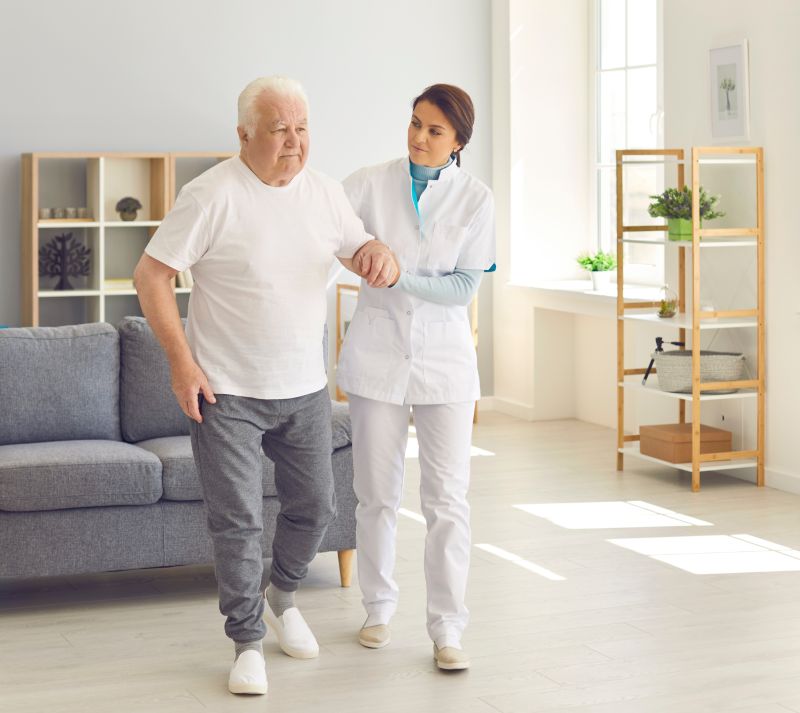
Rehabilitation decisions should be guided by qualified healthcare professionals, such as physical therapists, occupational therapists, physicians, or other appropriate clinicians.
Non-medical in-home care has a different role.
For families in North San Diego County, in-home support may help with everyday routines, transportation preparation, scheduling, companionship and other non-medical needs that can make it easier to follow an established care plan.
ComForCare Home Care North San Diego can help families explore these types of non-medical support. Caregivers do not prescribe exercises, change rehabilitation programs, or replace licensed therapists.
The new review offers a useful reminder: more technology does not automatically mean better results.
For people living with Parkinson’s, the most appropriate rehabilitation approach should be based on individual goals, clinical needs, safety and evidence.
Biofeedback may be useful in certain situations, but the current review did not find that adding it to an equivalent amount of practice produced better overall outcomes.
For families, the most helpful question may be simple:
What does this approach add, and does it help this person reach a meaningful goal?
When rehabilitation and daily support work together, each has an important but different role. A qualified clinician can guide rehabilitation, while appropriate non-medical home care can help with everyday routines and support around an established plan.
This article is for general educational purposes only and is not medical advice. People living with Parkinson’s should discuss rehabilitation, exercise, and the use of biofeedback or other technology with a physician, physical therapist, occupational therapist, or other qualified healthcare professional familiar with their needs.
Sources
For families caring for someone with Parkinson’s, the right support at home can make everyday routines feel a little easier. While rehabilitation should be guided by qualified healthcare professionals, non-medical home care can provide companionship, safety support and assistance with daily activities.
ComForCare Home Care North San Diego offers personalized in-home support for individuals and families living with Parkinson’s. Our office has specialized training through the Parkinson’s Pathway program, with a focus on supporting independence, safety and quality of life at home.
If you’re simply exploring your options or wondering what support might look like at home, we’re happy to have a conversation. Call ComForCare North San Diego at (858) 247-1005 to learn more.

Each office is independently owned and operated and is an equal opportunity employer.

© 2026 ComForCare Franchise Systems, LLC.