
Get Started!

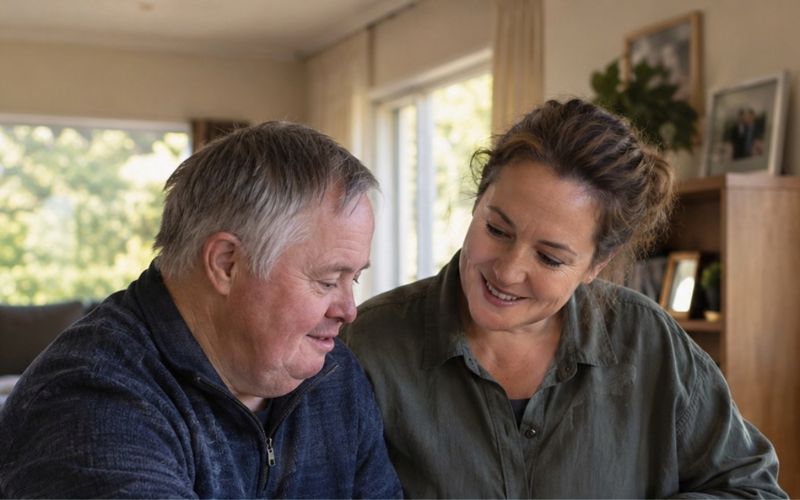
Recognizing dementia can be complex for an older adult with an intellectual disability. Communication, learning, memory, or support needs may have been present throughout life and standard cognitive tests may not reflect the person’s abilities accurately. Families and long-term supporters often hold essential knowledge about the person’s usual routines, preferences, skills and ways of expressing discomfort.
A September 2026 editorial in Aging & Mental Health calls for clearer guidance and action to support older adults with intellectual disabilities and dementia in community settings. A related international consensus report emphasizes individualized post-diagnostic support, including communication, sensory needs, environmental adaptations, caregiver training and coordinated care. These are expert recommendations, not evidence that one program fits everyone.
A useful baseline records how the person typically communicates choices, pain, fatigue, anxiety, hunger, and enjoyment. It can include daily skills, sleep, appetite, mobility, toileting, social interests, sensory preferences and the amount of prompting or assistance usually needed. Photos or familiar examples may help, as long as privacy is protected.
The baseline should identify strengths as clearly as support needs. What tasks does the person enjoy? Which parts do they complete independently? Who are trusted communication partners? Which environments are calming or overwhelming? This information helps professionals compare the person with their own previous functioning rather than with a generic developmental expectation.

New confusion, withdrawal, disrupted sleep, changes in mobility, loss of skills, altered communication, or different behavior should not automatically be attributed to dementia or “just aging.” Pain, infection, medication effects, depression, sensory changes, thyroid problems, sleep disorders and environmental stress may contribute. A qualified clinician should evaluate meaningful changes.
Bring the baseline, medication list, recent examples and input from people who know the individual well. Ask whether the assessment process is adapted for the person’s communication and intellectual disability. Sudden changes may require urgent medical attention. The goal is to understand the cause and support the person, not to force performance on an unfamiliar test.
Familiar people, objects, routes and daily rhythms can support comfort and orientation. When a task becomes difficult, change one element at a time when possible. Use the person’s established communication tools. Simplify choices without eliminating them and avoid childlike materials unless the adult personally prefers them.
Environmental changes may include reducing clutter, improving lighting, adding visual cues, or creating a quieter space. Sensory needs vary, so a change that helps one person may distress another. Observe the response and involve occupational therapy, speech-language pathology, behavioral health, or other qualified professionals as appropriate.

Community support may involve family, direct-support professionals, healthcare providers, Regional Center teams, day or employment programs and home-care providers. Use one current plan that states communication preferences, routines, risks, decision-making supports and who should be contacted after a change. Review the plan rather than allowing outdated assumptions to follow the person.
ComForCare Home Care North San Diego can discuss person-centered non-medical support for adults with disabilities and their families. San Diego Regional Center vendor status, eligibility, authorization and service details should be confirmed internally for the individual’s situation before publication or referral.
Hospital visits, staff changes, moves and program transitions can disrupt familiar support. Prepare a concise communication profile that travels with the person when authorized. Include how the person says yes or no, signs of pain or distress, calming strategies, mobility needs, dietary information and people who know the person well.
After any transition, check whether routines, relationships and meaningful activities were preserved. A plan can meet basic tasks and still leave the person isolated or confused. Ask what the person appears to enjoy, what they avoid and how they express preference. Quality of life should remain a visible goal alongside health and safety. Include the person in reviews using accessible choices, familiar supporters, and enough time to respond, even when communication is nontraditional.

Families and referral partners can contact ComForCare Home Care North San Diego to discuss non-medical home support tailored to the person’s routines, preferences and current care plan. Services should complement, not replace, medical care or professional advice.
Call Today: 858-247-1005
This article is for general education. Changes in memory, behavior, communication, or daily function require individualized evaluation by qualified professionals.
Aging & Mental Health via PubMed. Supporting older adults with intellectual disabilities and comorbid dementia to live in the community: a call for clarity, guidance and action. September 10, 2026. Original source

Each office is independently owned and operated and is an equal opportunity employer.

© 2026 ComForCare Franchise Systems, LLC.