
Get Started!


An older adult may be able to live independently but have difficulty getting to appointments, shopping, or community activities.
Depending on the service provided, a caregiver may accompany the person to appointments or errands, helping them stay connected to important parts of their routine.
Maintaining access to the community can be an important part of staying engaged and independent.
Some daily activities can become more difficult with age. A person may still be capable of living independently but need assistance with certain tasks.
An in-home caregiver may help with:
Having help with these tasks can allow an older adult to conserve energy for the activities they enjoy.

Changes in strength, balance, or mobility can make everyday activities more difficult.
A caregiver can provide appropriate assistance during daily routines and help an older adult move safely through their home. They may also notice changes in mobility or balance and communicate concerns to family members or appropriate healthcare professionals.
Simple adjustments, such as keeping frequently used items within easy reach and reducing clutter in walkways, can also make everyday routines easier to manage.
Living alone can sometimes mean spending long periods without social interaction.
A caregiver can provide companionship through simple activities such as:
Companionship does not have to mean filling every moment with activities. Sometimes having another person nearby can make an ordinary day feel more connected.tivities. Sometimes having another person nearby can make an ordinary day feel more connected.
Familiar routines can be an important part of feeling comfortable at home.
A caregiver can help an older adult maintain routines around meals, personal care, appointments, household tasks and favorite activities.
For example, someone may prefer a quiet morning, a particular breakfast, an afternoon walk, or a favorite television program in the evening. Personalized home care can work around these preferences rather than unnecessarily changing them.

Needing assistance does not mean an older adult needs someone to do everything for them.
A caregiver can provide the amount of support needed while allowing the person to remain involved in daily activities.
That might mean:
The goal is to help without automatically taking over.
Preparing meals can become challenging when shopping, standing for long periods, lifting items, or following complicated recipes becomes difficult.
Depending on the care plan, a caregiver may help with:
Caregivers can also involve the older adult in choosing meals or preparing familiar foods.
If an older adult has specific dietary or medical needs, families should follow recommendations from their healthcare team.
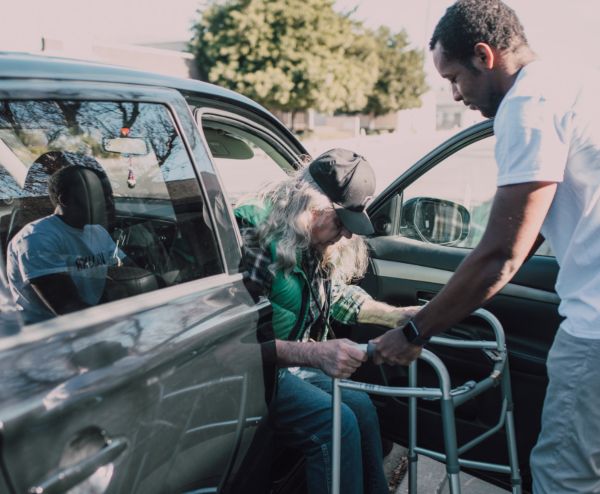
An older adult may be able to manage well at home but have difficulty getting to appointments, shopping, or community activities.
Depending on the services provided, a caregiver may accompany the person to appointments or errands. This can help an older adult remain connected to important parts of their routine and community.
When an older parent or relative lives alone, family members may worry about whether they are eating regularly, keeping up with daily tasks, or managing safely at home.
Home care can provide an additional layer of support.
A caregiver may notice changes such as:
Caregivers are not a replacement for healthcare professionals, but communicating noticeable changes can help families recognize when additional support or professional evaluation may be appropriate.
An older adult may live alone but still rely heavily on family members.
Family caregivers may coordinate appointments, shop for groceries, handle household responsibilities, or check in regularly.
Home care can give family members time to work, rest, attend appointments, spend time with their own families, or simply take a break.
Respite can help make family caregiving more sustainable.

Independence involves more than managing household tasks. It can also mean staying connected to the people, places and activities that bring meaning to everyday life.
A caregiver may help an older adult participate in:
The activities should reflect the person’s interests, preferences and abilities.
Care needs are not always the same from one day or year to the next.
Someone may initially need help with housekeeping and errands. Over time, they may need more assistance with personal care, meals, mobility, or daily routines.
Regular communication with family members and appropriate healthcare professionals can help families recognize when additional support may be needed.
Living alone does not have to mean doing everything alone.
For many older adults, the right level of home care can provide assistance with challenging tasks while allowing them to remain involved in their daily lives.
The goal is personalized support, helping with what is needed while respecting the person’s choices, routines, abilities and dignity.
For families in San Diego County, deciding when to add home care can be difficult. Sometimes the need is obvious. Other times, small changes gradually become more noticeable.
At ComForCare Home Care North San Diego, we provide personalized in-home care designed around each person’s needs and preferences. Support may include daily activities, companionship, meals, mobility assistance, or respite for family caregivers.
If you’re wondering whether home care could benefit an older adult living alone, we’re here to help you explore your options and find an approach that fits your family’s needs.
Call ComForCare Today: 858-247-1005

Each office is independently owned and operated and is an equal opportunity employer.

© 2026 ComForCare Franchise Systems, LLC.