
Get Started!

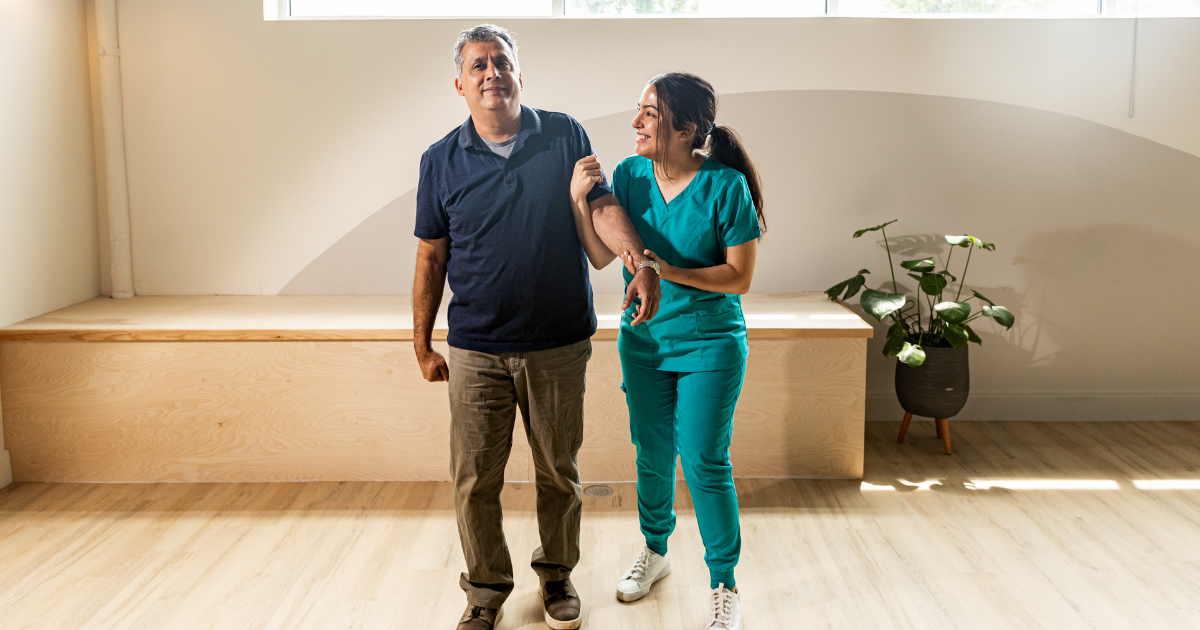
A stroke can change everything in an instant. For families across St. Paul and the surrounding Twin Cities area, the weeks and months following a parent’s stroke often bring a wave of questions: What does recovery look like at home? How much help will they need? And how do we make sure they stay safe and comfortable?
The good news is that with the right support in place, many stroke survivors are able to recover meaningful function and maintain their independence at home. Understanding what that support looks like is the first step families in St. Paul can take toward feeling more confident and less overwhelmed.
Every stroke is different, and so is every recovery. Some seniors experience challenges with mobility, balance, or coordination. Others may struggle with speech, memory, or performing everyday tasks like dressing, bathing, or preparing meals. Many face a combination of these changes, which can make daily life feel unfamiliar and frustrating — for both the senior and their loved ones.
Most stroke survivors returning home from a hospital or rehabilitation facility will continue working with therapists on an outpatient basis. But therapy appointments are just a few hours a week. The real work of recovery happens in the home, throughout the day, during the moments in between.
That’s where in-home care becomes a vital part of the recovery equation for St. Paul families. A trained caregiver can provide consistent, compassionate support that complements medical treatment — helping with personal care, mobility assistance, medication reminders, and safe engagement in daily routines.
One of the most pressing worries for families in St. Paul is keeping a stroke survivor safe at home. Fall risks increase significantly after a stroke, and many seniors need help navigating stairs, bathrooms, and everyday movement. Caregivers can provide steady, hands-on assistance while also encouraging the gentle activity that supports physical recovery. Families looking for tailored support can explore stroke recovery in-home care services in St. Paul to find a plan that fits their loved one’s unique rehabilitation needs.
Post-stroke depression is common and often overlooked. Seniors may feel frustrated, isolated, or anxious about their abilities. Some strokes also affect memory and cognitive function, which can look similar to early dementia. ComForCare’s dementia care approach and DementiaWise® training equips caregivers to support seniors experiencing these cognitive and emotional shifts with patience, skill, and genuine compassion.
Many St. Paul families initially try to manage stroke recovery on their own — and quickly find themselves exhausted. Adult children juggling careers, their own families, and a parent’s care needs often reach a point where additional support isn’t just helpful, it’s essential. Professional in-home care gives family caregivers the relief they need while ensuring their parent receives attentive, consistent care.
No two families are alike, and no two stroke recoveries follow the same path. What works is a personalized plan built around your parent’s specific needs, goals, and personality — one that evolves as they progress.
At ComForCare, we believe every senior deserves to be cared for like family. Our caregivers are trained to show up with both skill and heart, supporting stroke survivors across the St. Paul area with the kind of presence that makes a real difference day to day.
If your family is navigating a parent’s stroke recovery in the St. Paul area, we’re here to help. Connect with our St. Paul team to learn how personalized in-home care can support your loved one’s journey home.

Each office is independently owned and operated and is an equal opportunity employer.
© 2026 ComForCare Franchise Systems, LLC.