
Get Started!

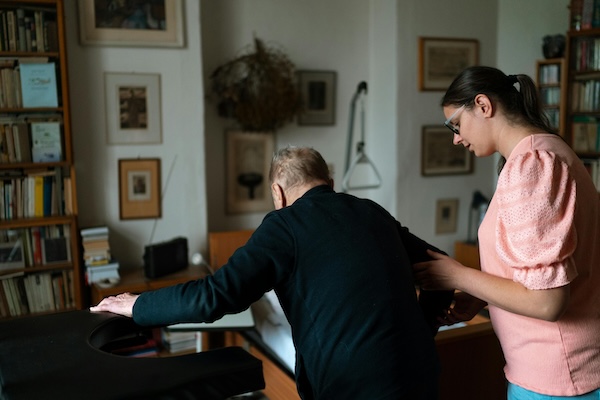
Every year, millions of older adults experience a fall — and for many, that single moment can change everything. For families in Waukesha and Hartland, Wisconsin, the concern is very real. Whether your loved one is aging in a beloved ranch-style home near Pewaukee Lake or a cozy neighborhood in Hartland, the question of how to help them stay safe without sacrificing their independence weighs heavily on many hearts.
The good news? Most falls are preventable. With the right awareness, a few thoughtful home modifications, and personalized support, seniors can continue living comfortably and confidently in the place they love most — home. ComForCare’s fall prevention program is designed to do exactly that, helping families in the greater Waukesha area take a proactive approach before a fall ever happens.
Waukesha County is home to a large and growing population of older adults who prefer to remain in their own homes rather than transition to a facility. That desire for independence is something worth celebrating — and protecting. However, staying home safely requires an honest look at the factors that contribute to fall risk.
Physical changes that come with aging — reduced balance, muscle weakness, slower reaction times, and vision changes — naturally increase vulnerability. Add in Wisconsin’s long winter months, where icy driveways and slippery entryways are a very real hazard throughout Hartland and Waukesha, and the risk becomes even more pronounced. Medications that cause dizziness, cluttered hallways, or inadequate lighting in older homes can compound these challenges further.
Understanding these contributing factors is the first and most empowering step a family can take. When you know what to look for, you can act — and that action can make all the difference.
Not all fall risks are obvious. In fact, some of the most telling signs are easy to overlook during a Sunday afternoon visit. Here are a few things families in the Hartland and Waukesha communities can watch for:
If any of these sound familiar, it may be time to have an open, caring conversation about what additional support could look like — not as a loss of independence, but as a way to protect it.
Creating a safer home environment does not have to be overwhelming or expensive. Many of the most effective fall prevention strategies are simple, accessible changes that can be made room by room.
Start in the spaces your loved one uses most frequently. In the bathroom — statistically one of the most common places falls occur — installing grab bars near the toilet and in the shower can dramatically reduce risk. Non-slip mats both inside and outside the tub add another layer of protection. In the kitchen and living areas, removing throw rugs, securing loose cords, and ensuring pathways are clear and well-lit can create a noticeably safer environment.
Outdoors, particularly during the winter months that Hartland and Waukesha residents know well, keeping walkways clear of ice and snow is essential. Motion-sensor lighting near entryways and steps adds visibility during early mornings and evenings when many falls occur.
Beyond the physical environment, regular gentle exercise — like chair yoga, walking, or light strength training — helps build the muscle tone and balance that naturally protect against falls. Encouraging a senior loved one to stay active is one of the most meaningful things a family can do.
Sometimes the most powerful fall prevention tool is simply having a compassionate, trained presence in the home. A professional caregiver can assist with tasks that carry the highest fall risk — bathing, navigating stairs, transferring from bed to chair — while also providing the consistency and watchful eye that family members cannot always offer from a distance.
At ComForCare, caregivers are not just helpers — they are advocates for dignity, safety, and quality of life. Through the ComForCare Waukesha and Hartland office, families have access to personalized care plans built around their loved one’s specific needs, living environment, and daily routines. Whether support is needed a few hours a week or around the clock, the goal is always the same: to help seniors live their best life at home, with confidence and peace of mind.
If you have been noticing warning signs or simply want to get ahead of a concern before it becomes a crisis, reaching out for a conversation costs nothing — and could mean everything. Your family does not have to figure this out alone.

Each office is independently owned and operated and is an equal opportunity employer.
© 2026 ComForCare Franchise Systems, LLC.