
Get Started!


Movement is medicine, and for older adults, that’s not just a phrase. Physical activity plays a direct role in maintaining strength, stability, and mental clarity. It supports how the body functions day to day, from walking safely at home to staying engaged with others.
If you’re wondering how exercise helps the elderly’s mental wellbeing, the answer comes down to consistency. Regular movement improves mood, supports memory, and helps older adults maintain independence over time. And it doesn’t take intense workouts to see results.
Here in New Braunfels, TX, staying active often looks simple: walking outdoors, stretching at home, or moving safely with the support of a caregiver. Small, repeatable habits like these can create lasting results.
Movement is medicine because your body responds to activity at any age. Even light movement can improve strength, flexibility, and circulation.
As you get older, staying active helps you maintain mobility and makes everyday tasks feel easier. Getting up from a chair, walking through your home, or spending time outside all become more manageable when your body stays in motion.
Without it, stiffness and weakness can increase, making daily routines more difficult. Before you know it, mobility issues can become a real barrier to independence, as well as the sense of freedom, dignity, and purpose that go with it.
Regular movement supports:
The goal isn’t intensity but consistency. All you need is movement that fits into your day and feels sustainable.

Exercise supports mental well-being by improving mood, reducing stress, and keeping the brain engaged. Physical activity increases blood flow to the brain, which plays a role in memory, focus, and overall cognitive function.
Many older adults notice mental benefits quickly. A short walk or light activity can clear your mind and improve how you feel within minutes.
Exercise improves mood by triggering the release of endorphins, which help reduce stress and create a more balanced emotional state. Over time, consistent movement can stabilize mood and reduce feelings of anxiety.
Yes, exercise supports brain health by improving circulation and encouraging mental engagement. Research shows that consistent movement is associated with better cognitive function as we age.
Yes, movement often creates opportunities for connection. In New Braunfels, that might mean walking with a caregiver, visiting a local park, or simply spending more time engaged in daily routines.
Balance exercises help older adults stay steady and reduce the risk of falls. As balance naturally changes with age, practicing stability becomes an important part of staying safe.
Falls are one of the most common causes of injury for older adults. Strengthening balance improves coordination and reaction time, which can reduce that risk.
Balance exercises strengthen stabilizing muscles and improve body awareness. This makes it easier to recover from uneven footing or small missteps.
These movements are simple but effective when done consistently.
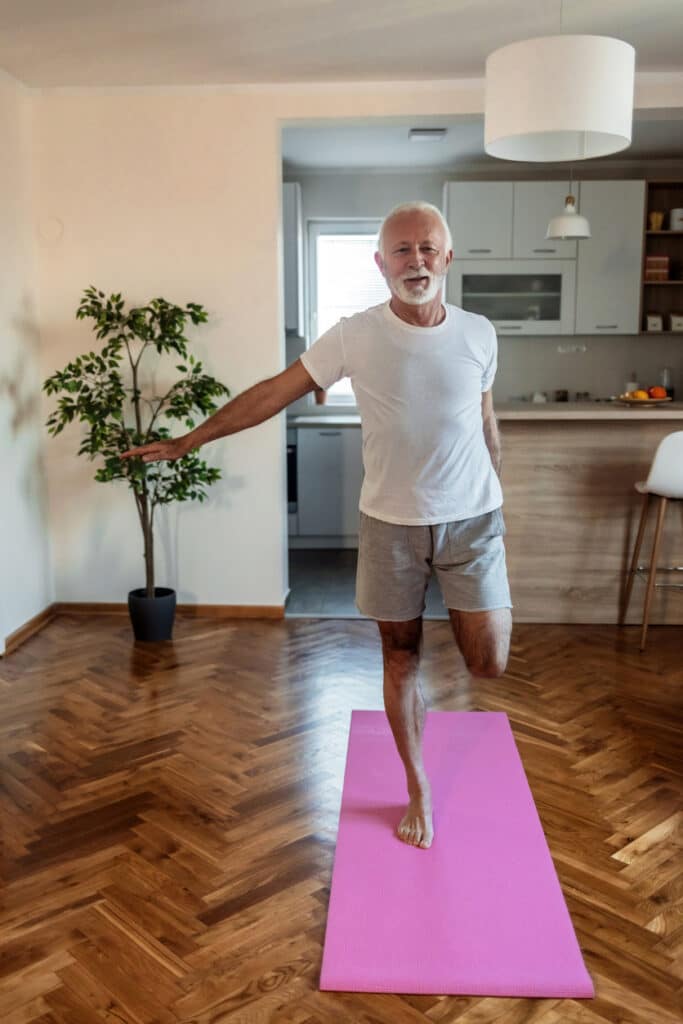
The best exercises for seniors are low-impact, simple, and easy to repeat. You don’t need anything complicated to stay active.
Your routine should feel manageable. When movement fits naturally into the day, it becomes easier to maintain.
National health guidelines recommend about 150 minutes of moderate activity each week. That’s about 20 minutes per day, but you don’t have to do it all at once; it can be broken into shorter sessions throughout the day. Ten to fifteen minutes at a time is enough to build consistency, and it all adds up to support long-term strength and energy.
Start with a few minutes each day and build from there. Consistency matters more than intensity. Over time, even short periods of movement can lead to meaningful improvements in endurance and mobility.
You can still benefit from movement, even with mobility challenges or ongoing pain. The focus shifts to safe, modified activity.
Chair exercises, assisted walking, and gentle stretching can help improve circulation and reduce stiffness without adding strain. These types of movements support both comfort and function.
Guidance plays an important role here. Having the right support helps keep activity safe and appropriate.
In-home care helps seniors stay active by providing structure, encouragement, and hands-on support. Movement is easier to maintain when someone is there to guide the routine.
Caregivers assist with:
At ComForCare New Braunfels, caregivers are trained to support safe movement and fall prevention. Care plans are tailored to you, which empowers you to build a routine that feels realistic and sustainable.
Plus, consistency is key with caregiving, too. Having the same person visit and assist you over time creates familiarity, making it easier to stay engaged and active.
Movement doesn’t need to be complicated to be effective. Simple, consistent activity supports your body, your mind, and your independence.
When you keep moving each day, even in small ways, you build strength, improve balance, and support your overall health. Over time, those small efforts add up.
At ComForCare, our caregivers focus on helping seniors stay active in ways that fit their daily lives. That consistency can make a lasting difference in both physical and mental well-being.
If staying active feels challenging, the right support can help you stay on track. At ComForCare New Braunfels, we provide in-home care that encourages safe, consistent movement personalized to your needs.
Call us at 1-830-632-5887 or visit our website to learn how we can help you or your loved one stay active, confident, and independent at home.

Each office is independently owned and operated and is an equal opportunity employer.
© 2026 ComForCare Franchise Systems, LLC.