
Get Started!


TL;DR: Caregiver burnout signs are easy to miss, especially when you’re the one carrying everything. More than three-quarters of family caregivers report feeling burned out, and most never use respite care because they feel guilty stepping away. This guide covers the real signs of burnout, includes a short self-check quiz, and explains how respite care actually works for families in New Braunfels and San Antonio.
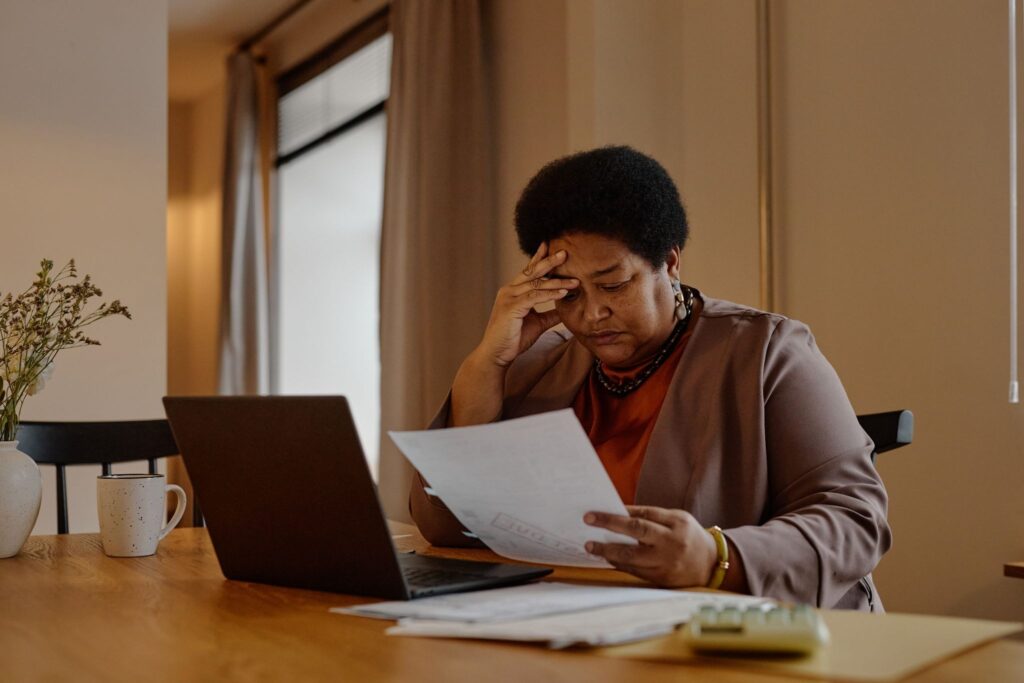
If you’re the one everyone calls when something goes wrong, you already know what running on empty feels like. Caregiver burnout isn’t a personal failing. It’s a predictable result of giving everything you have for too long without a break.
For many families in New Braunfels, Schertz, Cibolo, and the greater San Antonio area, caregiving sits on top of full lives that already include jobs, kids, and, for many people in this area, a military background that taught self-reliance above almost everything else. That mindset can make asking for help feel like losing.
Let’s look at the signs of caregiver burnout and how to find support (such as respite & short-term in-home care) when it all becomes too much to carry alone.
Burnout shows up because caregiving rarely comes with a schedule that fits neatly into a week. Family caregivers spend an average of nearly 23 hours a week on caregiving tasks, and almost a third spend more than 30 hours weekly. Many are doing this while also working a full-time or part-time job.
That kind of sustained pressure adds up. Research consistently shows that burnout isn’t a one-time bad week. For most caregivers, it’s something they feel regularly, sometimes daily, especially once caregiving stretches past the one-year mark.
People often think of burnout as one final straw that breaks them, when in reality, it’s a state of being. It often shows up as constant fatigue that sleep doesn’t fix, irritability over small things, feeling overwhelmed, a shorter fuse with the person you’re caring for, and an underlying sense of resentment you didn’t expect to feel.

Of course, knowing the signs of burnout doesn’t automatically make it easier to ask for help. Guilt usually gets there first.
Research on respite care shows that most caregivers who could benefit from it never use it. The reasons are rarely about access alone. Many caregivers describe seeking support as something that feels like admitting failure, like they’re handing off a responsibility that was supposed to be theirs alone.
That feeling runs especially deep in military and veteran families, who make up a significant part of the New Braunfels and San Antonio community. Self-reliance is often a core value, sometimes the core value. Caregivers in these families may be caring for an aging veteran parent, a spouse, or another loved one, and the instinct to handle it alone can be strong enough to override real physical and emotional exhaustion.
Veteran caregivers report notably higher rates of stress, anxiety, and depression than caregivers overall, according to research from the RAND Corporation’s Hidden Heroes study, a national look at the pressures unique to military caregiving. Letting someone else help for a few hours a week isn’t a failure to honor that commitment. It’s what makes it possible to keep showing up for the long haul.
Read through the statements below and note how many feel true for you right now.
0 to 2: You’re managing well right now, but caregiver stress has a way of building gradually. It’s worth checking in with yourself regularly. Even a few hours of outside support each week can help you stay ahead of burnout before it starts.
3 to 5: You’re showing real signs of caregiver stress. These feelings don’t mean you’re failing. They mean you’re human, and you’re carrying a heavy load. Getting even a small amount of regular support can make a meaningful difference for both you and your loved one.
6 or more: You’re running on empty, and what you’re feeling is serious. Burnout at this level affects your health, your relationships, and the quality of care your loved one receives. Getting help is one of the most important things you can do right now for both of you.
Respite care in the San Antonio area is simpler than most families expect. It means bringing in a trained caregiver for a set window of time so you can rest, run errands, see a doctor, or just breathe. It can be a few hours a week or a more extended stretch when something bigger comes up, like surgery or travel.
At ComForCare New Braunfels, respite and short-term care is built around this exact need. There’s no requirement to commit to ongoing weekly care. Families can bring in support for a single afternoon or set up a recurring schedule, whatever actually fits their situation.
Respite care is what makes the long-term caregiving experience sustainable. Caregivers who use respite report better physical health, lower stress, and a stronger sense of well-being than those who don’t. Stepping back for a few hours means protecting your ability to keep doing what you do best.
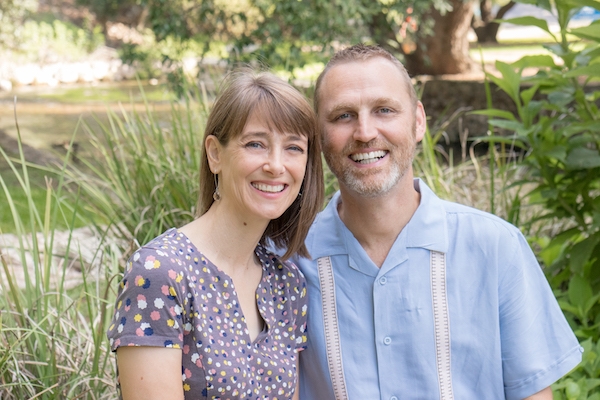
Here at ComForCare New Braunfels, Andrea and Chad Otte built the business around the belief that families shouldn’t have to choose between caring for a loved one and caring for themselves. Our caregivers are trained, background checked, and matched thoughtfully, so the person coming into your home is someone you and your loved one can truly trust.
For families with a loved one managing dementia or Alzheimer’s, we’re a credentialed GUIDE program provider, which can offer qualifying clients up to $2,500 in Medicare-funded respite care annually.
We’re also credentialed with TriWest, a network that connects VA-eligible veterans with community care providers, helping veteran families navigate VA benefits alongside their caregiving responsibilities.
For families in New Braunfels, Universal City, Schertz, and Cibolo, that kind of local, hands-on support can be the difference between mental exhaustion and a sustainable routine that allows you to make the most of the time you spend with your loved one.
A hard week passes. Burnout sticks around and builds, showing up as common signs like ongoing exhaustion, irritability, or a sense of dread about caregiving tasks that used to feel manageable. If it’s been weeks rather than days, it’s worth exploring respite support.
Many older adults adjust better than their family members expect, especially when it means that their primary caregiver is rested and present rather than running on fumes. A short trial visit can help everyone get comfortable before committing to a regular schedule.
Rates vary based on the level of care needed and how often it’s scheduled, generally landing in the $30-per-hour range locally. The GUIDE program or veterans’ benefits may cover some or all of that cost. Call our team at ComForCare New Braunfels for a specific quote based on your situation.
Experiencing caregiver burnout doesn’t mean you’re failing. It means you’ve been carrying something heavy for a long time, often without enough help. Asking for support, even just a few hours a week, is one of the most protective things you can do for both yourself and the person you love.
ComForCare New Braunfels serves families throughout New Braunfels, Schertz, Cibolo, Universal City, and the greater San Antonio area.
Call us at 1-830-632-5887 or visit our website to schedule a free in-home consultation.

Each office is independently owned and operated and is an equal opportunity employer.
© 2026 ComForCare Franchise Systems, LLC.