
Get Started!


If you’ve spent time with your parents recently and thought, “Something feels a little off,” you may not be imagining it. The signs your elderly parent needs help often show up quietly. A missed medication. A messy kitchen. A parent who just doesn’t seem like themselves anymore.
Here’s the direct answer most families are searching for: when daily life starts getting harder or less safe, extra support can help, without taking away independence. For many families in New Braunfels and nearby areas like San Antonio, in-home care offers that balance.
This guide walks through common signs to watch for, why they matter, and how to find help for your senior parents before small issues turn into big ones.
When everyday tasks start slipping, it’s often one of the first signs your parent needs help.
You might notice increased difficulty with:
These changes don’t mean your parent can’t live at home. They often mean that a little extra support would make daily life safer and less exhausting.
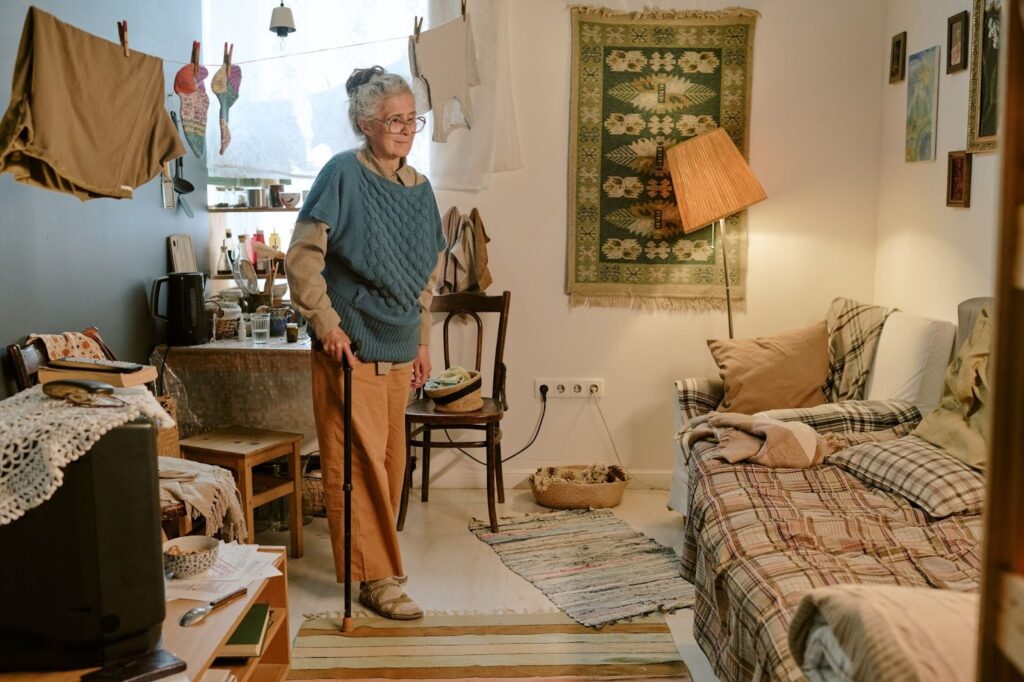
A home can tell you a lot.
Watch for:
For seniors living alone, keeping up with household tasks can become overwhelming over time. In-home support can help keep the home safe and comfortable without taking control away.
Medication mistakes happen more often than families realize.
Red flags include:
Medication reminders are one of the most common reasons families seek in-home care. They reduce risk while helping seniors stick to routines they already know.
Falls are a leading cause of injury for adults over 65. According to the CDC, more than one in four older adults falls each year, and many don’t tell anyone afterward.
Signs to watch for:
Even fear of falling can limit movement and independence. A caregiver can help with mobility, light support, and safety monitoring at home.

Some forgetfulness is normal. Ongoing confusion isn’t.
Look for patterns like:
Memory changes can affect safety, especially for elderly parents living alone. Early support can help keep routines consistent and reduce stress for everyone involved.
Spending time together often makes emotional changes more noticeable.
You might see:
These shifts can signal depression, cognitive changes, or feeling overwhelmed. They’re a strong sign it may be time to explore your care options.
Nutrition often slips quietly.
Watch for:
Meal prep support and regular check-ins help seniors eat consistently without losing control over their choices.
Changes in driving habits can impact independence quickly.
Signs include:
Transportation support through in-home care helps seniors stay active and connected without risking safety.
Loneliness affects both physical and mental health.
You may notice:
Companionship is a key part of in-home care and often leads to better mood, energy, and engagement.
Sometimes the clearest sign isn’t your parent; it’s you.
If you’re feeling:
That’s a signal it’s time to bring in support. Caregiving works best when it’s shared.
Many families assume assisted living is the only option. For many seniors in New Braunfels and San Antonio, that isn’t true.
In-home care can:
This flexible approach works well for families who want safety and support without a major move.
When changes affect safety, hygiene, nutrition, or daily routines and don’t improve, extra support can help.
No. Many families start with part-time care and increase support if needed.
Yes. Help for the elderly living alone often focuses on companionship, safety checks, meals, and routine support.
Noticing these signs means you’re paying attention, not overreacting. Acting early gives your family more options and helps your parent stay comfortable and safe at home. In-home care can provide practical support while preserving independence and dignity. To find out more about in-home care for your parent, reach out to ComForCare and secure the future of your loved one’s care.
If you’re seeing alarming signs, you don’t have to figure it out alone. In-home care can support your parent and ease stress for the whole family. If you’re exploring home care in San Antonio or the New Braunfels area, call ComForCare at 830-632-5887 to talk through your options and build a plan that fits your family’s needs.

Each office is independently owned and operated and is an equal opportunity employer.

© 2026 ComForCare Franchise Systems, LLC.