
Get Started!

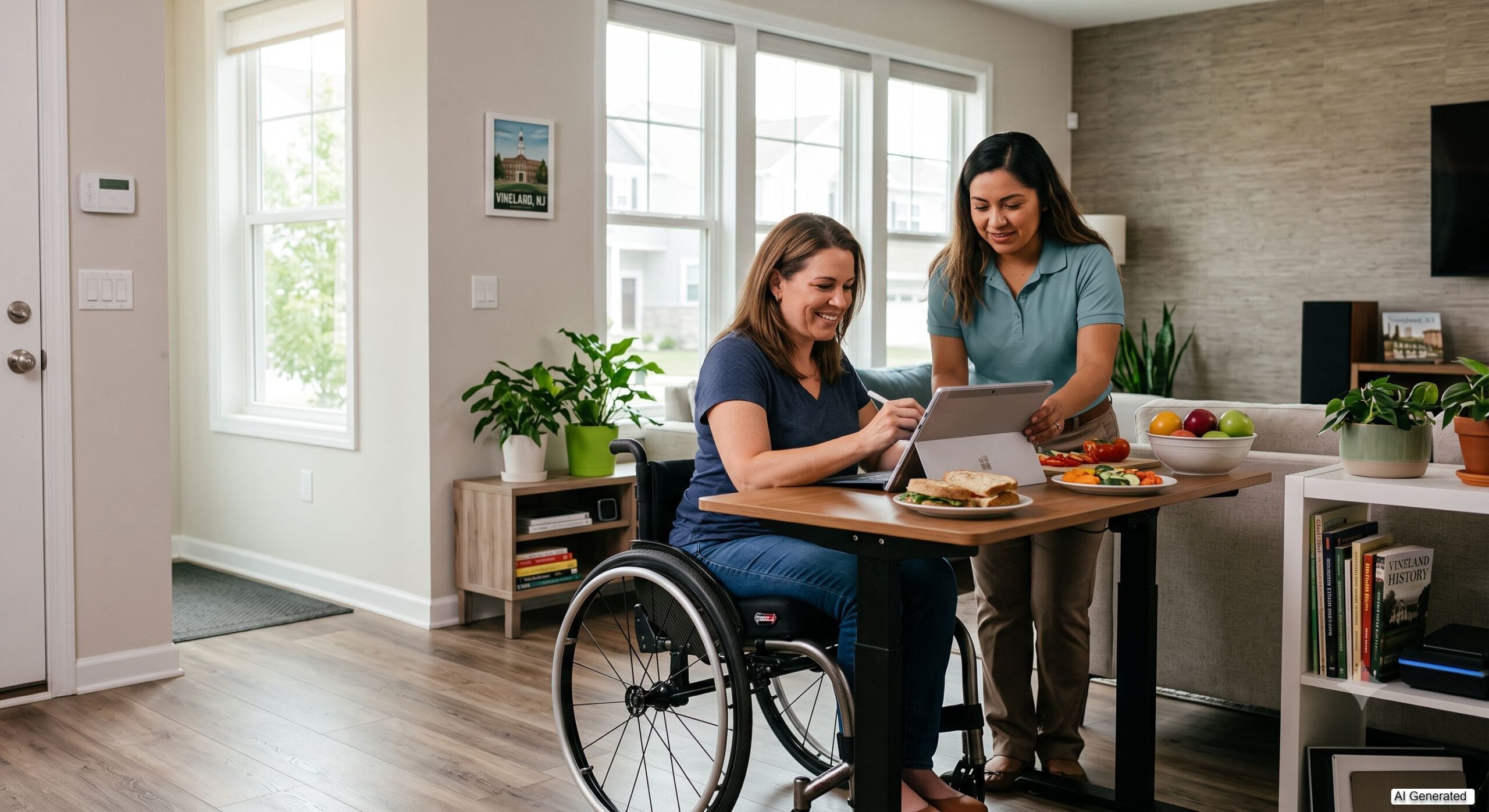
| Quick Answer: No two disabilities are similar, which means every senior needs distinct care and support. That’s why personalized home care services are designed around their needs to support them in every way possible. Caregivers ensure their safety and comfort without stealing their independence. |
Living with a disability comes with many challenges, but that doesn’t mean one should give up their independence. For adults with disabilities who need help with everyday activities, the right support makes it possible to stay home, maintain familiar routines, and live life the way they want.
In-home care provides practical assistance while allowing adults with disabilities to make their own choices and have control over their daily lives. Assistance ranges from personal care and household help to companionship, ensuring services align with the individual’s preferences, needs, and goals.
This blog explains how home care for seniors with disabilities work and how it helps them live safely with dignity, choice, and independence.
It provides non-medical assistance to adults who need support with daily activities. Rather than moving to a residential facility, they can receive personalized help in their own home.
In-home care might include the following services:
The goal is to offer assistance where needed, not take over. Based on an individual’s needs and preferences, a care plan is devised that includes the services the person actually needs, rather than a one-size-fits-all plan.
Independence looks different for every adult with a disability. For one person, it means preparing their own breakfast with minimal assistance. For another, it means needing help getting to the bathroom or participating in community activities.
Professional home care for disabled adults can support these goals by providing the necessary support while individuals make their own decisions about their lives.
Expert insight from Lydia Gibson, who leads ComForCare South Jersey with over 20 years of clinical experience: “The mistake I see most often is care that does too much. A caregiver who takes over every task, even with good intentions, slowly removes the abilities a person still has. Our approach is the opposite: we identify exactly where someone needs a hand, and we stay out of the way everywhere else. That balance is what protects independence over the long run.”
No two disabilities are exactly alike, and the level of support an individual needs can change over time.
A personalized care plan should consider:
When you choose a custom plan that’s based on your loved one’s needs, it means you only pay for services that they need. It also means the care plan is supportive rather than restrictive.
Receiving care at home is a much better alternative than moving to a residential facility. For many seniors, receiving assistance with personal tasks is uncomfortable, let alone moving to another place. Home care professionals understand the anxiety and hesitation and ensure seniors feel comfortable with the help, making the experience easier.
Caregivers should approach personal care activities with patience and respect. Preserving privacy and encouraging independence are essential parts of quality personal care.
Daily support isn’t only about completing physical tasks. Social connection is also an important part of quality of life.
Adults with disabilities experience isolation if transportation, mobility, or other challenges make it difficult to participate in activities outside the home.
A caregiver provides companionship through:
These interactions help individuals stay engaged with their interests and routines.
Family members do want to help their loved ones with responsibilities, but providing care and support alongside managing household responsibilities, work, and other commitments is challenging.
Professional home care for disabled adults isn’t merely about helping with personal tasks; it’s also crucial for family members. Family members can run errands, work, attend appointments, and rest while professionals assist during scheduled hours. It also gives families peace of mind that their loved ones are being cared for.
The goal is not to replace family involvement but to create a reliable support system around the individual.
Families should ask the service providers the following questions:
It is also important to make sure the provider understands the individual’s preferences and focuses on supporting their independence.
“ComForCare was recommended through a family friend and everyone on their team has been so professional and caring. They have been a great help with a family member and got him on a workable schedule immediately. They are very approachable and easy to communicate with. My family member is really enjoying their company.”
— Elizabeth Butterfield, via Google Reviews
Adults with disabilities have their own minds and want to make their own choices instead of someone else doing the same for them. They do need assistance with certain tasks and benefit from home care without having to leave their homes.
ComForCare home care services offer personal care for seniors with disabilities through creating custom plans based on their needs and preferences. Whether you need meal preparation, light housekeeping, or companionship, we can offer support that makes your loved one’s life more manageable.
Contact us to learn more about our services!
Que: What services are available for adults with disabilities at home?
Ans: Services might include personal hygiene assistance, bathing and dressing support, meal preparation, mobility assistance, medication reminders, light housekeeping, laundry, transportation assistance, and companionship.
Que: Can home care for disabled adults be customized?
Ans: Yes. In-home care can often be tailored to an individual’s abilities, preferences, schedule, and daily support needs. Care plans can be adjusted as those needs change.
Que: What does personal care at home include?
Ans: It can include assistance with bathing, dressing, grooming, oral hygiene, toileting, and other activities of daily living while maintaining the individual’s privacy and dignity.
Que: Can in-home caregivers help adults with disabilities maintain independence?
Ans: Yes. Caregivers can assist with difficult tasks while encouraging individuals to participate in activities they can safely manage on their own. The goal is to provide support without unnecessarily taking away independence.
Que: Can home care also provide respite for family caregivers?
Ans: Yes. Scheduled in-home care can supplement family support and give family caregivers time to work, handle personal responsibilities, attend appointments, or take needed breaks. At the same time, their loved one receives dependable assistance.

Each office is independently owned and operated and is an equal opportunity employer.

© 2026 ComForCare Franchise Systems, LLC.