
Get Started!

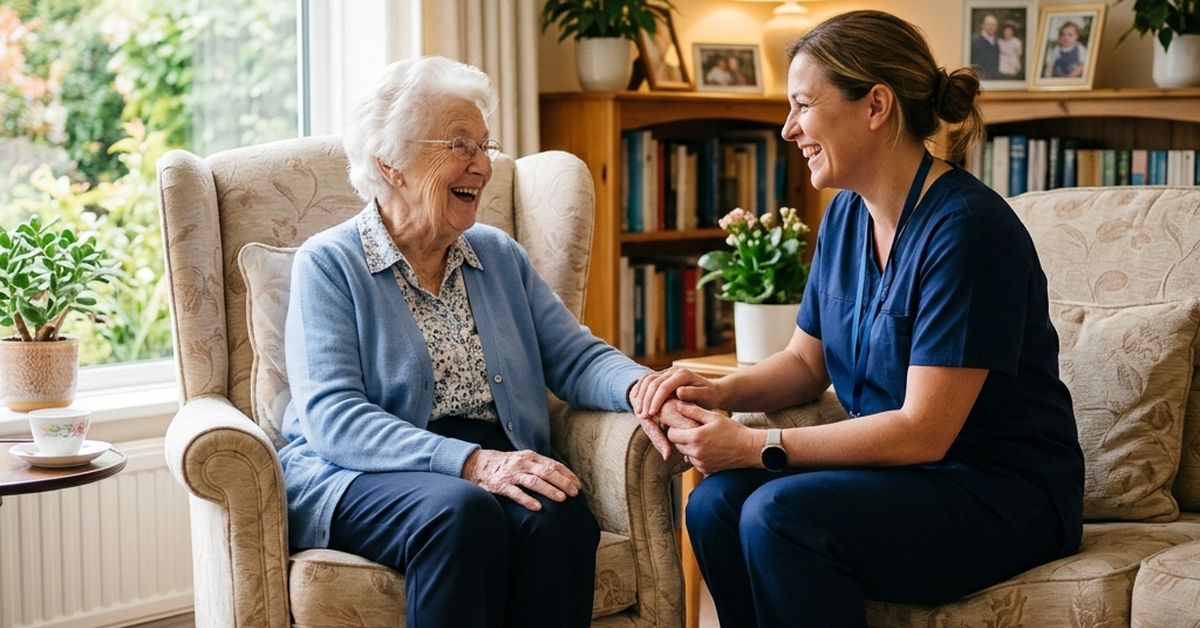
| Quick Answer: Senior companion care is non-medical support that adds regular conversation, shared activities, and practical help to a senior’s day, so living at home doesn’t mean spending it alone. A companion caregiver can also help with meals, light housekeeping, errands, and medication reminders. It doesn’t replace family. It fills the gaps between visits, which is where loneliness and isolation tend to build up. |
Most seniors whose spouse has passed or who live alone often spend their days by themselves. While living at home means independence, comfort, and familiarity, it can also mean spending days in isolation.
Loneliness and isolation don’t necessarily mean the same thing. It has been noted that social isolation and loneliness are associated with a range of health concerns, including depression, anxiety, heart disease, stroke, and dementia.
If you have a senior loved one living alone in Monmouth County, NJ, this blog is for you. Check out how senior companion care works.
A senior might spend days alone and still not feel alone, while others might be surrounded by people and still feel disconnected. Loneliness means spending most of the time alone and feeling lonely. Social isolation means having limited relationships and social contact.
Senior companion care is non-medical support focused on social interaction, engagement, and help with everyday routines, and it helps with both loneliness and social isolation.
A caregiver provides both daily assistance and companionship. Depending on the caregiving plan, they can assist with meal preparation, light housekeeping, transportation, medication reminders, and companionship. They can talk with seniors, encourage physical activity, and engage them in enjoyable activities.
The purpose is not to replace family relationships. Instead, companion care provides another consistent source of social connection between family visits and other activities.
The job is simple: provide meaningful daily interaction.
They can offer the following:
These activities aren’t one-size-fits-all; they are adjusted to the seniors’ preferences and interests.
Expert insight from Mike Durkin, Owner and Operator of ComForCare North Monmouth: “The thing I hear most from families is that Mom is ‘fine,’ she just doesn’t talk to anyone all week. A companion caregiver changes that in a way a phone call doesn’t. It’s someone who knows her stories, notices when she skips lunch, and is there on the days nobody else can be. That consistency is what actually breaks the isolation.”
Companion care services in Keansburg, NJ, are worth considering when a senior:
These signs don’t automatically indicate that senior companion care is needed. Sometimes, seniors might need medical attention, especially if there are significant changes in mood, appetite, sleep, or functioning.
Most people get confused when they hear the term “companion care.” In-home companion care in Monmouth County isn’t limited to conversation. A caregiver also assists with everyday activities wherever needed. For example, if a senior feels dizzy from medication or has mobility limitations, caregivers can help prepare lunch, do light housekeeping, organize their favorite hobby, or do grocery shopping. The aim is to make life easier for seniors without taking away their independence.
These ordinary activities provide structure and opportunities for interaction without making the person feel that they are being treated as a patient. Companion care, as part of a broader care plan, benefits seniors and family members in many ways.
The best companion care arrangement reflects the senior’s personality, interests, abilities, and schedule.
You should consider the following when exploring senior companion care:
An in-home evaluation can help identify these needs and determine whether companion care alone is enough or home care is also needed.
Elderly loneliness and isolation is a bigger issue than people realize initially. As long as seniors can manage on their own, social isolation and loneliness may not seem like a problem, but they still affect overall well-being.
Companion care for the elderly adds meaningful interaction to a person’s routine while helping them stay at home. They provide companionship, encourage seniors to participate in activities and hobbies they enjoy, and help with tasks around the house.
If you are looking for a companion caregiver for seniors in Keansburg, NJ, choose ComForCare home care services. Our trained caregivers provide not only senior care but also companionship.
Call us to learn more!
“Excellent service from ComForCare. Our caregiver was precise and knowledgeable, and the entire staff was easily reachable and incredibly helpful. It’s amazing that they pick up any time of day no matter when you call them. Denise, an owner, was especially was lovely to work with!”
— Dn Gl., via Google Reviews
Call (732) 889-1430 or contact us to set up a free in-home visit.
What does senior companion care include?
These services include companionship as part of a broader home care plan. Caregivers assist with the home while offering companionship and meaningful interactions.
Can a companion caregiver for elderly family members provide personal care?
Yes, the services can include personal care. Companion caregivers can also offer help with bathing, dressing, grooming, toileting, etc. However, services vary by provider and care plan.
Who can benefit from companion care services in Keansburg, NJ?
Companion care can help seniors who live alone, have limited opportunities for social interaction, have stopped participating in favorite activities, or need extra support with daily routines and community activities.
What is the difference between senior companion care and personal home care?
Personal home care means assistance with daily activities, while senior companion care focuses on social connection, conversation, activities, and practical assistance.
How can in-home companion care in Monmouth County help a senior living alone?
It allows them to remain safely at home while having someone to talk to. Caregivers also encourage seniors to participate in activities they enjoy and help them with community events while ensuring their safety.

Each office is independently owned and operated and is an equal opportunity employer.
© 2026 ComForCare Franchise Systems, LLC.