
Get Started!


TL;DR: Nutrition for elderly adults at home is more complex than most families understand. As we age, the body needs more protein and fiber, not less. But appetite naturally fades, cooking becomes harder, and dehydration sets in without warning. ComForCare’s Care Kitchen program exists to help older adults eat well without losing their independence.
Maybe you’ve opened your parent’s fridge lately and found it nearly empty. Maybe they’ve lost weight without trying, or they’re surviving on crackers and canned soup because cooking has become too hard. These are habits to be concerned about.
Poor nutrition drives muscle loss, falls, cognitive decline, and hospital readmissions. And for most older adults, it’s rarely about willpower. It comes down to physical and physiological changes that are genuinely difficult to manage alone.
As we get older, we generally eat less. That’s normal. What’s often misunderstood is that nutritional requirements don’t shrink with appetite. In some areas, they actually increase.
Protein is the clearest example. As we age, the body becomes less efficient at building and maintaining muscle, making steady, adequate intake more important than ever. According to the American Heart Association, older adults should eat 5 to 6.5 ounces of protein per day, but the average person 71 and older eats only about 4.5 ounces. That shortfall contributes to sarcopenia, the progressive loss of muscle mass and strength that raises the risk of falls, fractures, and lost independence.
Fiber matters just as much. Most older adults fall well short of the recommended 25 to 30 grams per day. Low fiber intake raises cholesterol, destabilizes blood sugar, and weakens gut health overall.
And then there’s hydration. Studies suggest 20 to 30% of older adults are dehydrated at any given time. Research from Penn State found that even mild, everyday dehydration reduces the ability to sustain attention. Part of the problem is that the thirst signal weakens with age, so many older adults don’t feel thirsty until they’re already behind on fluids.
The general recommendation is roughly 1.0 to 1.2 grams per kilogram of body weight per day, which works out to about 68 to 82 grams daily for a 150-pound person. Good sources include eggs, Greek yogurt, fish, chicken, beans, and tofu. Spreading protein across meals rather than concentrating it at one sitting helps the body use it more effectively.

Most families assume the barrier to good nutrition is knowledge or preference. In practice, it’s usually physical and situational.
Cooking fatigue is real. Standing at the stove, lifting pots, gripping utensils, and following multi-step recipes all become harder with barriers like arthritis, reduced grip strength, or chronic fatigue. Many older adults stop preparing full meals, not because they don’t want to eat well, but because the effort has become too great.
Taste changes also erode appetite. Aging naturally dulls taste and smell, and many medications compound that effect. When food tastes bland, the motivation to eat disappears. This is part of what researchers call anorexia of aging, a gradual loss of appetite that affects roughly a quarter of older adults and leads to weight loss and nutrient deficiencies over time.
Isolation matters too. Older adults who eat alone consistently consume less than those who eat with others. For someone living independently in Canyon Lake, Seguin, or a rural stretch outside New Braunfels, mealtimes can become quiet and low-priority, and nutrition suffers slowly as a result.
As we age, several things tend to happen at once:
These factors compound each other, turning into a gradual decline that families may not notice until it becomes a real problem.
Meal planning for seniors is one of the most practical forms of in-home support available, and something families often don’t realize a caregiver can do. ComForCare’s Care Kitchen program is a specialized nutrition service built directly for the challenges described above.
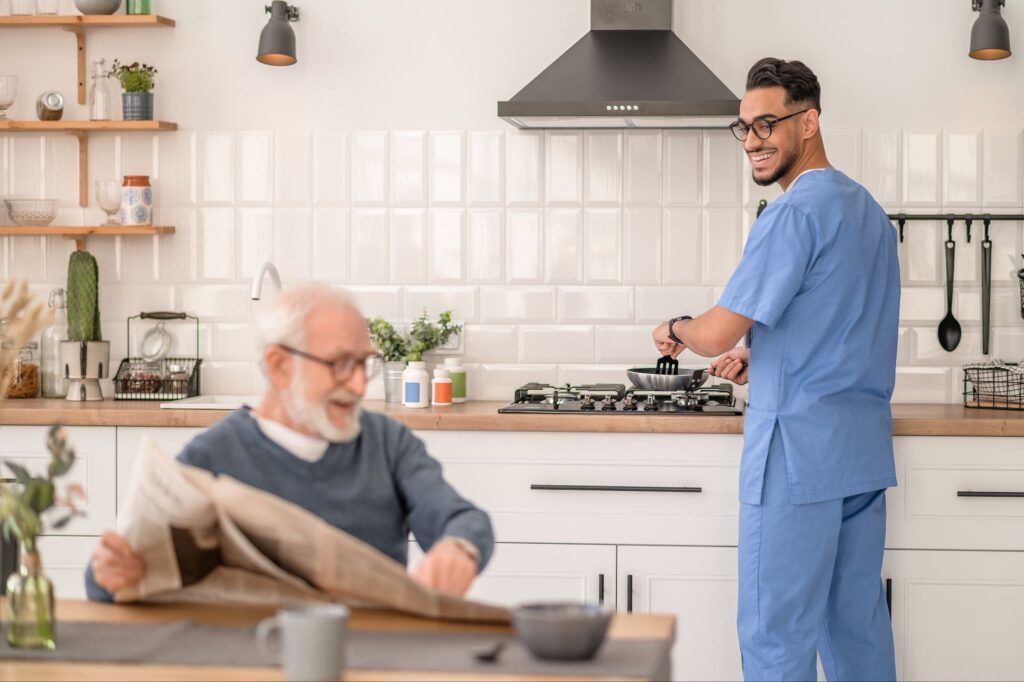
Care Kitchen caregivers handle meal planning, grocery shopping, and cooking, using the MyPlate framework as a foundation. The program works around each client’s preferences, dietary restrictions, and health conditions. That means a client managing high blood pressure gets low-sodium meals, someone with chewing difficulties gets softer foods, and someone who misses the food they grew up with gets those dishes made with care.
For families along the I-35 corridor from Kyle and San Marcos down through New Braunfels to Universal City, this fulfills a need that meal delivery services alone can’t close. A caregiver who knows your loved one, shops for them, and cooks alongside them brings something no pre-packaged option will.
Yes, and at ComForCare New Braunfels, this is a structured part of how care gets delivered. Caregivers shop for groceries, prepare meals that meet specific dietary needs, and provide companionship at mealtimes. Our Care Kitchen program also connects families to local food assistance programs and community resources when additional support would help.
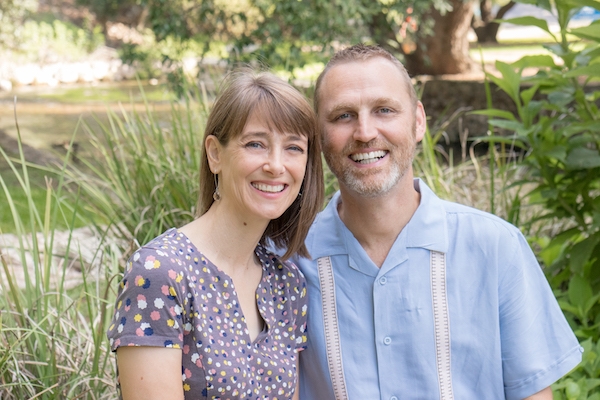
Every caregiver goes through the DEAR assessment, a hiring screen that evaluates drugs, ethics, attitude, and reliability. Fewer than 2% of applicants make it through, and those who do overwhelmingly stay. The average caregiver tenure at ComForCare New Braunfels is more than 10 years. When you choose us, you know the person preparing your loved one’s meals is someone our owners Andrea and Chad Otte trusted enough to send into your home.
Start by talking to their doctor to rule out underlying medical causes. If the issue involves difficulty cooking, isolation, or taste changes, structured in-home support often makes a real difference.
A caregiver who prepares appealing meals and provides companionship at mealtimes can gradually reverse the pattern. For anyone recently out of the hospital, ComForCare’s Reducing Hospital Readmissions program addresses nutrition as part of post-discharge recovery.
Protein and fiber top the list, and fiber inadequacy is nearly universal in this population. Vitamin D, calcium, B12, and potassium are also commonly deficient. A care plan built around whole foods like lean proteins, legumes, whole grains, and vegetables addresses most of these gaps without requiring supplements.
Yes. Care Kitchen accounts for dietary restrictions, including diabetic-friendly, low-sodium, low-cholesterol, and soft food needs, working alongside each client’s doctor or dietitian. For families with a loved one managing dementia or Alzheimer’s, ComForCare is also a credentialed GUIDE program provider, which can offer qualifying clients up to $2,625 in Medicare-funded respite care in 2026 (a cap that is increased annually).
Eating well isn’t just a health goal. It’s the foundation underneath everything else: strength, balance, clear thinking, and daily energy. When nutrition slips, most other things tend to follow.
For families in New Braunfels, Canyon Lake, Seguin, or anywhere along the I-35 corridor, ComForCare’s Care Kitchen program offers practical support for one of the least visible challenges of aging at home.
Call us at (830) 632-5887 or visit our website to learn more about the Care Kitchen program and schedule a free in-home consultation. We serve families throughout New Braunfels, Seguin, Canyon Lake, Universal City, and the surrounding communities.

Each office is independently owned and operated and is an equal opportunity employer.
© 2026 ComForCare Franchise Systems, LLC.