
Get Started!

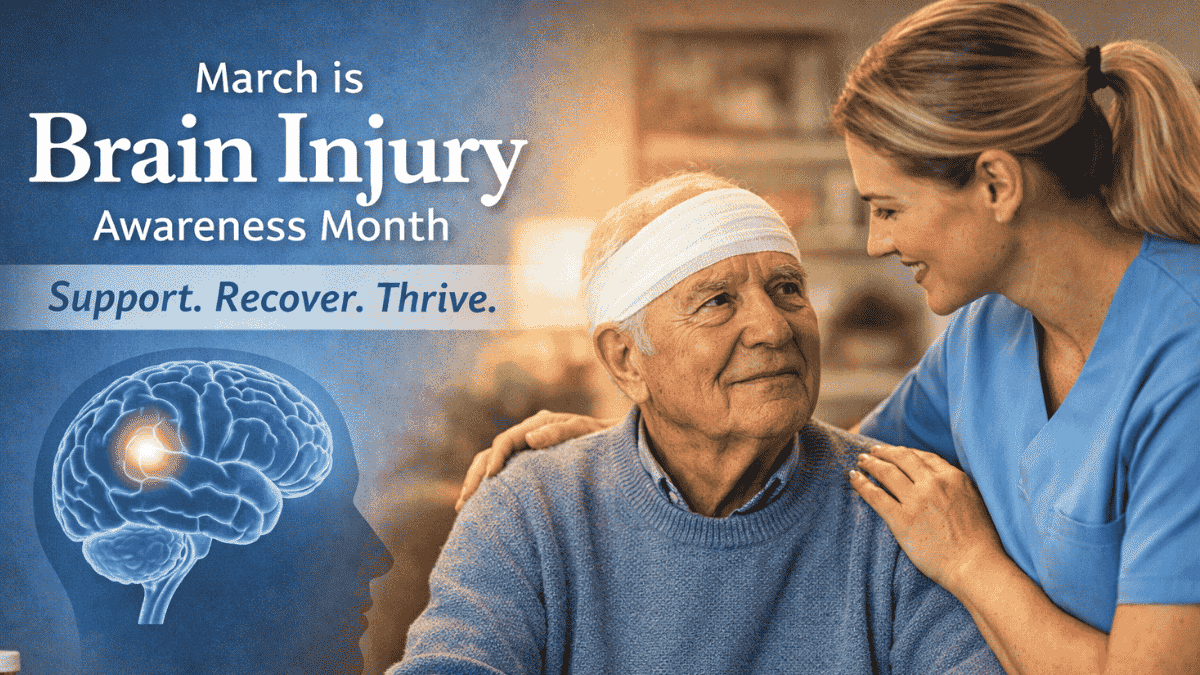
Brain Injury Awareness Month is observed every March to raise awareness about the impact of brain injuries and the importance of support, prevention, and recovery. Brain injuries can affect people of all ages, but older adults are especially vulnerable due to falls, strokes, and other medical conditions.
During Brain Injury Awareness Month, it is important to highlight the challenges individuals and families face after a brain injury and to share resources that can help them regain independence and improve quality of life.
For many families, the journey after a brain injury does not end when a loved one leaves the hospital. Recovery often continues at home, where the right support and care can make a meaningful difference.
Brain injuries can occur in many ways, including falls, strokes, accidents, or trauma. According to health experts, falls are one of the leading causes of traumatic brain injuries among seniors.
Common effects of brain injuries may include:
These challenges can affect everyday activities and make it harder for individuals to maintain their independence without support.

Why Brain Injury Awareness Matters
Recovery after a brain injury is possible with the right support, care, and patience.
Raising awareness during Brain Injury Awareness Month helps communities understand the importance of prevention, early treatment, and long-term care.
Many people underestimate how life-changing a brain injury can be. In addition to physical symptoms, individuals may also experience emotional or cognitive changes that affect their daily routines.
Education and awareness help families recognize warning signs, seek medical support earlier, and find the right care resources.
Greater awareness also helps reduce stigma and encourages open conversations about recovery and rehabilitation.
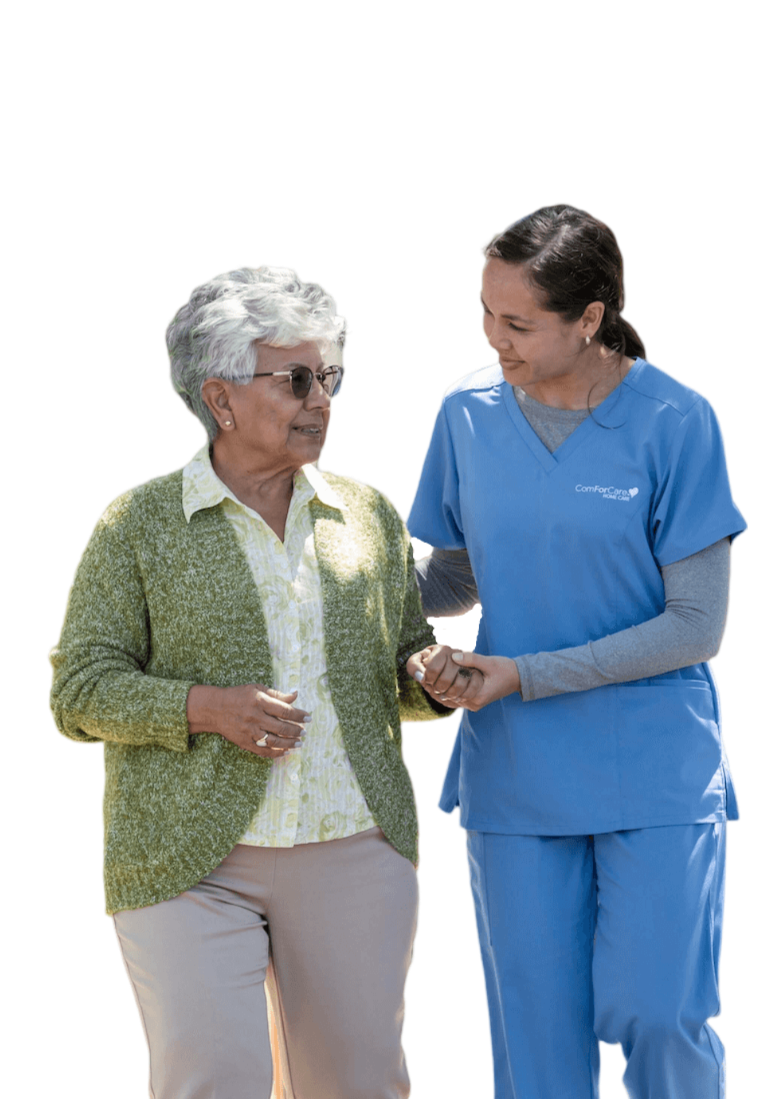
For individuals recovering from a brain injury, remaining in a familiar home environment can significantly support healing and emotional well-being.
Professional caregivers can help with daily tasks while encouraging independence and safety.
In-home care may include:
At ComForCare, caregivers are trained to provide compassionate care tailored to each client’s needs, helping individuals feel comfortable and supported during recovery.
Prevention is an important part of Brain Injury Awareness Month. Many brain injuries in older adults occur due to preventable falls.
Families can help reduce risks by:
Simple home safety improvements can significantly reduce the risk of falls and protect brain health.
At ComForCare, we are committed to helping individuals recover safely at home while maintaining dignity and independence.
If your loved one is navigating life after a brain injury, our team is here to help.
Contact us today to learn how personalized in-home care can support recovery and improve quality of life.
Recovering from a brain injury is often a long journey that requires patience, support, and understanding.
Families play an essential role in helping loved ones rebuild routines, maintain confidence, and stay connected with their community.
During Brain Injury Awareness Month, we encourage families to learn more about brain health, safety, and the importance of compassionate care.
If you or a loved one is recovering from a brain injury, you are not alone. With the right support and resources, individuals can continue to live meaningful and fulfilling lives.



Each office is independently owned and operated and is an equal opportunity employer.

© 2026 ComForCare Franchise Systems, LLC.